
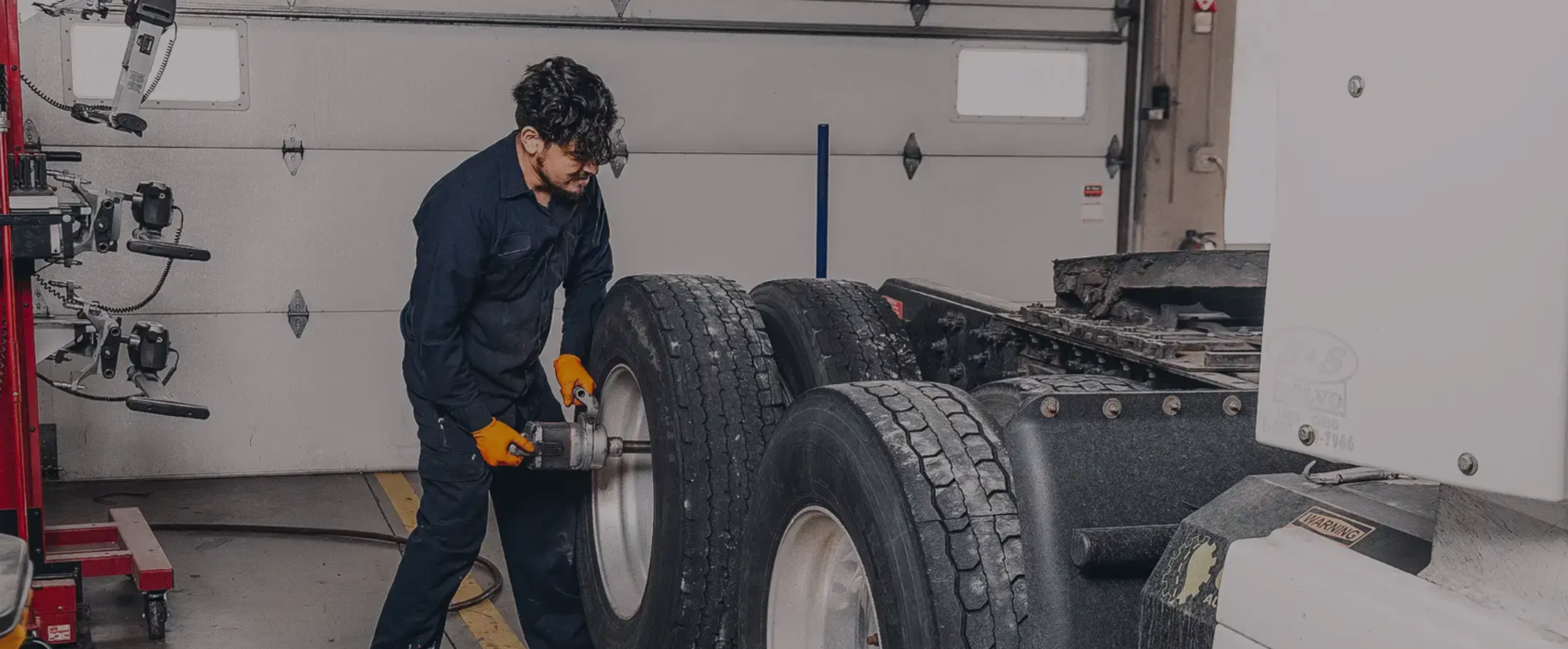
In the world of commercial transportation, heavy-duty trucks are the backbone of logistics and supply chains. These powerful vehicles traverse thousands of miles, carrying massive loads across diverse terrains and weather conditions. At the heart of their ability to perform these demanding tasks are the axles – critical components that bear the weight of the vehicle and its cargo while transmitting power from the engine to the wheels.
Given their crucial role, maintaining the health and functionality of heavy-duty truck axles is paramount for fleet managers, owner-operators, and maintenance professionals. This comprehensive guide delves into the intricacies of heavy-duty truck axle repair and replacement, providing valuable insights on when and how to address axle issues to ensure optimal vehicle performance, safety, and longevity.
1. Understanding Heavy-Duty Truck Axles
Heavy-duty truck axles are engineered to withstand enormous stress and strain while facilitating the vehicle’s movement and load-bearing capacity. To appreciate the complexities of axle repair and replacement, it’s crucial to understand the different types of axles, their components, and their functions.
Types of Axles
- Drive Axles: These axles transmit power from the engine to the wheels, enabling the truck to move. In heavy-duty trucks, you’ll commonly find:
- Single drive axles
- Tandem drive axles
- Tridem drive axles
- Steer Axles: Located at the front of the truck, these axles support the front end and allow for steering control.
- Trailer Axles: These support the weight of the trailer and its cargo, typically non-powered.
Components of an Axle System
A typical heavy-duty truck axle system consists of several key components:
- Axle Housing: The outer casing that protects and supports internal components.
- Axle Shafts: The rotating shafts that transmit power to the wheels.
- Differential: Allows wheels to rotate at different speeds during turns.
- Bearings: Reduce friction between moving parts.
- Seals: Prevent lubricant leakage and keep contaminants out.
- Planetary Gears: (In some designs) Provide additional gear reduction.
- Hub Assembly: Connects the axle to the wheel.
Function and Importance
The primary functions of heavy-duty truck axles include:
- Load Support: Axles bear the weight of the vehicle and its cargo.
- Power Transmission: Drive axles transfer engine power to the wheels.
- Steering Control: Steer axles enable directional control of the vehicle.
- Suspension Integration: Axles work in conjunction with the suspension system to provide a stable ride.
Given these critical functions, the health and proper operation of axles directly impact a truck’s performance, safety, and efficiency. Any compromise in axle integrity can lead to severe consequences, including accidents, increased downtime, and significant repair costs.
2. Common Axle Problems in Heavy-Duty Trucks
Despite their robust design, heavy-duty truck axles are subject to various issues due to the demanding nature of their operation. Understanding these common problems is crucial for timely identification and resolution.
Wear and Tear
Normal use over time leads to wear on various axle components:
- Bearing Wear: Constant rotation and load-bearing cause bearings to deteriorate.
- Gear Tooth Wear: Differential gears may wear unevenly, leading to noise and inefficiency.
- Spline Wear: The splines connecting axle shafts to other components can wear down.
Damage from Accidents or Overloading
- Bent Axles: Severe impacts or overloading can bend axle shafts.
- Cracked Housings: Extreme stress or collisions can crack axle housings.
- Damaged Seals: Impacts can compromise seal integrity, leading to lubrication issues.
Lubrication Issues
- Insufficient Lubrication: Leads to increased friction and wear on components.
- Contaminated Lubricant: Dirt or water in the lubricant can cause accelerated wear.
- Lubricant Leaks: Faulty seals or gaskets can cause lubricant loss.
Seal and Bearing Failures
- Seal Deterioration: Age, heat, and contamination can cause seals to fail.
- Bearing Collapse: Overloading or lack of lubrication can lead to bearing failure.
- Water Ingress: Failed seals can allow water to enter, causing rust and component damage.
3. Signs It’s Time for Axle Repair or Replacement
Recognizing the signs of axle problems early can prevent more severe damage and reduce repair costs. Here are key indicators that it might be time for axle repair or replacement:
Unusual Noises
- Clicking or Popping: Often indicates a problem with the constant velocity (CV) joint.
- Humming or Growling: May suggest worn bearings or differential issues.
- Clunking: Could indicate worn universal joints or damaged differential gears.
Vibrations and Handling Issues
- Steering Wheel Vibrations: Might indicate issues with the front axle or wheel bearings.
- Truck Shaking: Could be a sign of a bent axle shaft or damaged U-joint.
- Difficulty Steering: May suggest problems with the steering axle or its components.
Visible Damage or Leaks
- Oil Leaks: Check for signs of oil around the axle housing or wheel hubs.
- Damaged Boot: A torn CV joint boot can lead to loss of lubricant and joint failure.
- Visible Cracks or Dents: Inspect the axle housing for any visible damage.
Performance Decline
- Reduced Fuel Efficiency: Axle problems can increase rolling resistance and fuel consumption.
- Loss of Power: Issues in the differential or axle shafts can result in power loss to the wheels.
- Difficulty Maintaining Speed: Could indicate problems with the drive axle or differential.
Uneven Tire Wear
- Inner/Outer Edge Wear: May suggest alignment issues related to the axle.
- Cupping or Scalloped Wear: Often indicates problems with wheel bearings or suspension components.
4. Diagnostic Procedures for Axle Issues
Accurate diagnosis is crucial for effective axle repair or replacement. Here are the primary diagnostic procedures used by professionals:
Visual Inspections
- Undercarriage Examination: Check for visible damage, leaks, or loose components.
- Tire Inspection: Look for uneven wear patterns that might indicate axle issues.
- Boot and Seal Check: Inspect CV joint boots and axle seals for tears or leaks.
Road Tests
- Noise Assessment: Listen for unusual sounds during acceleration, deceleration, and turning.
- Vibration Analysis: Feel for vibrations at different speeds and during various maneuvers.
- Handling Evaluation: Assess steering responsiveness and overall vehicle control.
Advanced Diagnostic Tools and Techniques
- Thermal Imaging: Identify overheating components that might indicate excessive friction.
- Vibration Analysis Equipment: Use specialized tools to pinpoint the source of vibrations.
- Computerized Diagnostics: Utilize onboard diagnostic systems to identify electronic issues related to axle sensors or controls.
5. Repair vs. Replacement: Making the Right Decision
Once a problem is identified, the next crucial step is deciding whether to repair or replace the axle. This decision involves several factors:
Factors to Consider
- Extent of Damage: Minor issues might be repairable, while severe damage often necessitates replacement.
- Age of the Axle: Older axles may warrant replacement even if the current issue is repairable.
- Vehicle Mileage: High-mileage trucks might benefit more from a full replacement.
- Availability of Parts: Sometimes, replacement parts for older models may be scarce, making replacement a better option.
- Downtime Considerations: Repair might be quicker in some cases, reducing vehicle downtime.
Cost Analysis
- Repair Costs: Include parts, labor, and potential follow-up maintenance.
- Replacement Costs: Consider the price of a new or remanufactured axle plus installation.
- Long-term Savings: Weigh immediate costs against potential future repairs or efficiency gains.
Long-term Impact on Vehicle Performance
- Reliability: Will a repair provide long-term reliability, or is replacement a more dependable solution?
- Efficiency: Consider how each option might affect fuel efficiency and overall performance.
- Resale Value: A replaced axle might positively impact the vehicle’s resale value.
6. The Axle Repair Process
When repair is the chosen course of action, understanding the process helps set expectations and ensures quality work.
Preparation and Safety Measures
- Vehicle Positioning: Secure the truck on a level surface with proper lifting equipment.
- Safety Gear: Ensure technicians use appropriate personal protective equipment (PPE).
- Component Cleaning: Clean the axle area to prevent contamination during repair.
Common Repair Procedures
- Seal Replacement:
- Remove the wheel hub assembly
- Extract the old seal
- Clean the sealing surface
- Install the new seal with proper tools
- Bearing Replacement:
- Remove the axle shaft
- Extract old bearings
- Clean and inspect races
- Install new bearings with correct preload
- U-Joint Replacement:
- Remove the driveshaft
- Press out the old U-joint
- Install the new U-joint, ensuring proper alignment
- Reinstall the driveshaft
- Differential Repair:
- Drain the differential fluid
- Remove the differential cover
- Inspect and replace damaged gears or bearings
- Reassemble with new gaskets and proper backlash adjustment
Quality Control and Testing
- Torque Checks: Ensure all fasteners are tightened to manufacturer specifications.
- Lubrication: Refill with the correct type and amount of lubricant.
- Operational Test: Perform a road test to verify repair success and identify any remaining issues.
7. Axle Replacement: What to Expect
When replacement is necessary, the process is more involved but can provide a long-term solution to axle issues.
Choosing the Right Replacement Axle
- OEM vs. Aftermarket: Decide between original equipment manufacturer parts or quality aftermarket alternatives.
- Compatibility: Ensure the replacement axle matches the vehicle’s specifications, including load rating and gear ratio.
- Warranty Considerations: Compare warranty offerings between different axle options.
Steps in the Replacement Process
- Vehicle Preparation:
- Secure the truck and remove wheels
- Drain fluids from the axle housing
- Removal of Old Axle:
- Disconnect brake lines and electrical connections
- Remove driveshaft (for drive axles)
- Detach suspension components
- Extract the old axle assembly
- Installation of New Axle:
- Position and secure the new axle
- Reconnect suspension components
- Reattach driveshaft, ensuring proper alignment
- Reconnect brake lines and electrical components
- Final Assembly:
- Install wheels and torque lug nuts to specification
- Fill with appropriate lubricant
Post-Replacement Adjustments and Checks
- Alignment: Perform a full alignment to ensure proper axle positioning.
- Brake Adjustment: Check and adjust brakes as necessary.
- Sensor Calibration: Recalibrate any electronic sensors associated with the axle system.
- Extensive Road Test: Conduct a thorough road test to ensure proper function under various conditions.
8. Preventive Maintenance for Heavy-Duty Truck Axles
Proactive maintenance is key to extending axle life and preventing unexpected failures.
Regular Inspection Schedules
- Daily Checks:
- Visual inspection for leaks or damage
- Listen for unusual noises during initial operation
- Weekly Inspections:
- Check tire wear patterns
- Inspect visible seals and boots for damage
- Monthly Checks:
- Examine U-joints for wear or looseness
- Check axle housing for signs of stress or cracks
- Quarterly Inspections:
- Perform thorough undercarriage examination
- Check and adjust wheel bearings if necessary
Proper Lubrication Practices
- Correct Lubricant Selection: Use manufacturer-recommended lubricants for specific axle components.
- Regular Fluid Checks: Monitor differential fluid levels and condition.
- Scheduled Lubricant Changes: Follow manufacturer guidelines for lubricant replacement intervals.
- Greasing Procedures: Properly grease U-joints and other serviceable components.
Load Management Strategies
- Proper Loading Techniques: Ensure even distribution of cargo weight.
- Adherence to Weight Limits: Avoid overloading beyond axle and vehicle capacities.
- Route Planning: Consider road conditions and terrain when planning routes to minimize axle stress.
9. The Impact of Axle Health on Overall Truck Performance
The condition of a truck’s axles significantly influences various aspects of vehicle performance:
Fuel Efficiency
Reduced Rolling Resistance: Well-maintained axles minimize energy loss, improving fuel economy.
Proper Alignment: Correct axle alignment reduces tire drag and improves fuel efficiency.
Efficient Power Transfer: Well-functioning drive axles ensure optimal power transmission from the engine to the wheels.
Safety Considerations
- Stability: Properly functioning axles contribute to vehicle stability, especially during cornering and braking.
- Steering Response: A well-maintained steer axle ensures precise and responsive steering.
- Braking Efficiency: Axle condition affects brake performance, particularly in air brake systems integrated with the axle.
Compliance with Regulations
- Weight Distribution: Proper axle function ensures compliance with axle weight regulations.
- Emissions Control: Efficient axle operation contributes to overall vehicle efficiency, helping meet emissions standards.
- Safety Inspections: Well-maintained axles are crucial for passing mandatory safety inspections.
10. Technological Advancements in Axle Design and Maintenance
The heavy-duty truck industry is continuously evolving, with new technologies improving axle performance and maintenance practices.
Smart Axles and Predictive Maintenance
- Integrated Sensors: Modern axles often include sensors that monitor temperature, vibration, and load.
- Real-time Monitoring: These sensors provide real-time data on axle health, allowing for proactive maintenance.
- Predictive Analytics: Advanced algorithms can predict potential failures before they occur, reducing downtime.
Lightweight Materials and Improved Designs
- Composite Materials: Some manufacturers are exploring the use of composite materials to reduce axle weight without compromising strength.
- Advanced Metallurgy: High-strength, lightweight alloys are being developed for axle components.
- Optimized Designs: Computer-aided design and simulation tools are leading to more efficient axle geometries.
Integration with Vehicle Management Systems
- Telematics Integration: Axle health data is often integrated into broader vehicle telematics systems.
- Fleet Management: This integration allows fleet managers to track axle performance across their entire fleet.
- Maintenance Scheduling: Automated systems can schedule maintenance based on actual axle wear rather than fixed intervals.
11. Environmental Considerations in Axle Repair and Replacement
As environmental concerns become increasingly important, the heavy-duty truck industry is adapting its practices in axle maintenance and replacement.
Proper Disposal of Old Parts
- Recycling Programs: Many axle components, particularly metals, can be recycled.
- Hazardous Material Handling: Proper disposal of lubricants and other potentially harmful substances.
- Compliance with Regulations: Adherence to local and national environmental regulations regarding parts disposal.
Eco-friendly Lubricants and Materials
- Biodegradable Lubricants: Development and use of environmentally friendly lubricants.
- Sustainable Manufacturing: Some manufacturers are adopting more sustainable production processes for axle components.
- Extended Life Materials: Use of materials that last longer, reducing the frequency of replacements.
Recycling and Remanufacturing Options
- Axle Remanufacturing: Many axle assemblies can be remanufactured, reducing waste and resource consumption.
- Core Return Programs: Incentives for returning old axle components for recycling or remanufacturing.
- Upcycling: Creative reuse of axle components in non-automotive applications.
12. Training and Certification for Axle Repair Technicians
The complexity of modern heavy-duty truck axles requires specialized knowledge and skills for effective repair and maintenance.
Importance of Specialized Knowledge
- Complex Systems: Modern axles often integrate with electronic systems, requiring a broad skill set.
- Safety Critical: Proper axle repair is crucial for vehicle safety, necessitating thorough training.
- Evolving Technology: Continuous learning is essential to keep up with technological advancements.
Available Certification Programs
- Manufacturer-specific Training: Many axle manufacturers offer specialized training programs.
- ASE Certification: The National Institute for Automotive Service Excellence offers relevant certifications.
- Vocational Programs: Technical schools and community colleges often provide axle repair courses.
Ongoing Education and Skill Development
- Workshops and Seminars: Industry events focusing on the latest axle technologies and repair techniques.
- Online Learning Platforms: Digital resources for continuous skill enhancement.
- Hands-on Training: Practical experience under supervision to reinforce theoretical knowledge.
13. Conclusion: The Road Ahead for Heavy-Duty Truck Axle Maintenance
As we look to the future of heavy-duty truck axle maintenance, several key trends and considerations emerge:
- Predictive Maintenance: The integration of smart technologies will likely lead to more predictive and precise maintenance schedules, reducing unexpected failures and optimizing repair timing.
- Sustainability Focus: Environmental considerations will play an increasingly important role in axle design, repair processes, and end-of-life management.
- Skill Evolution: Technicians will need to continually update their skills, blending traditional mechanical knowledge with expertise in electronics and data analysis.
- Material Innovations: Ongoing research into advanced materials may lead to axles that are lighter, stronger, and more durable, potentially changing maintenance needs and intervals.
- Regulatory Influence: Evolving safety and environmental regulations will likely impact axle design and maintenance practices, requiring industry-wide adaptations.
- Integration with Autonomous Systems: As autonomous truck technology advances, axle systems may need to integrate more closely with these technologies, potentially changing maintenance approaches.
The field of heavy-duty truck axle repair and replacement is a critical component of the transportation industry, directly impacting vehicle performance, safety, and efficiency. By understanding the signs of axle issues, employing proper diagnostic techniques, and making informed decisions about repairs or replacement, fleet managers and technicians can ensure the longevity and reliability of their vehicles.
As technology continues to advance, the importance of staying informed and adaptable cannot be overstated. Regular training, adoption of new technologies, and a commitment to best practices in maintenance and repair will be key to navigating the challenges and opportunities that lie ahead in heavy-duty truck axle maintenance.
By prioritizing axle health and embracing evolving maintenance strategies, the industry can look forward to safer, more efficient, and more sustainable heavy-duty trucking operations in the years to come.