
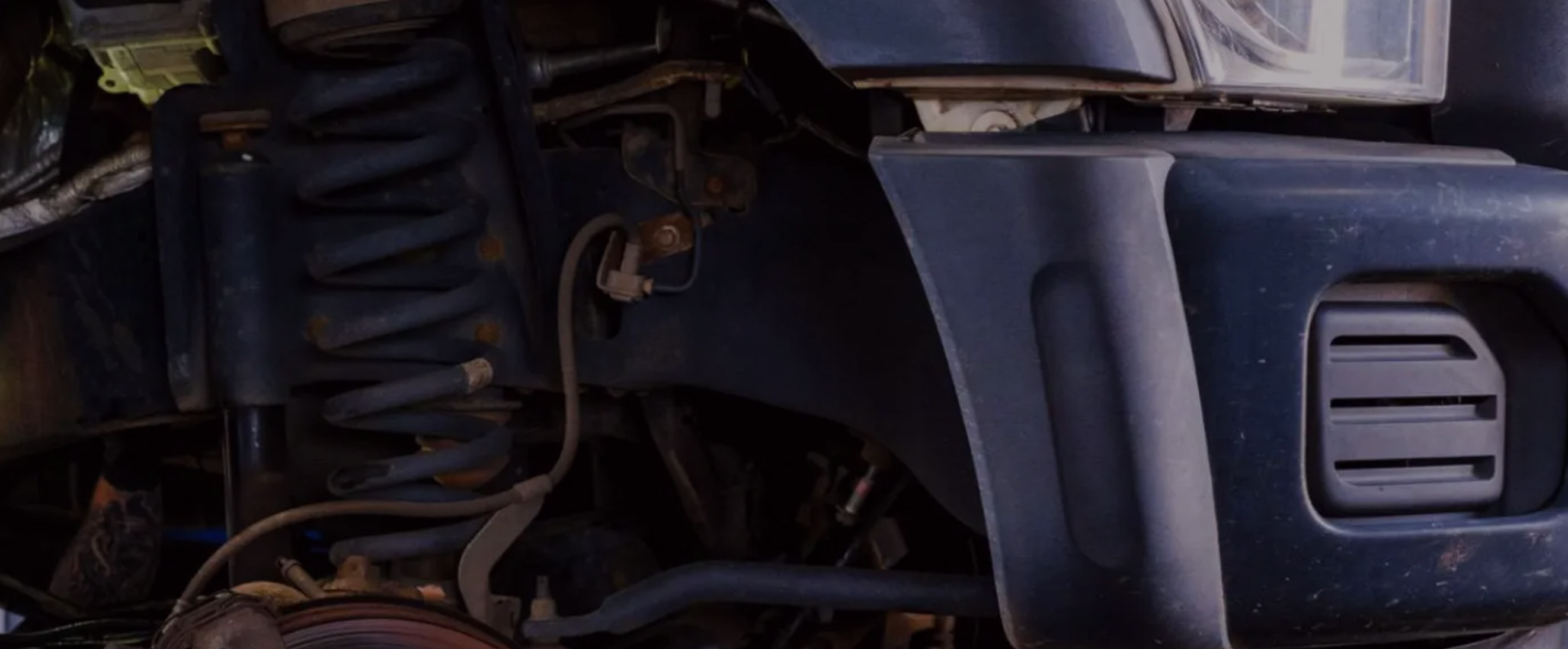
A clunk on takeoff gets your attention the first time. After hearing it all week, it’s easy to start treating it as something the truck just does. Same with needing a boost every morning or carrying more coolant because you keep adding it.
That’s information we need at Mac’s Diesel & Trailer Repair in Lexington, KY. How long has it been happening? Is it getting worse? Heavy-duty truck repair starts with the complaint, even when the truck hasn’t quit yet. Some complaints can be scheduled. Others mean the run stops now.
Waiting On Air Again?
You know roughly how long your truck takes to build air. If that wait keeps getting longer, say something. Tell us if you can hear a leak, too, or if the dryer seems to purge far more often than it used to. We’ll need to check for leaks and look at how the compressor and dryer are working.
Once you have a low-air warning, or pressure won’t build or hold, don’t continue the run. Stop as safely as possible and call for help. Revving it to keep the pressure up isn’t a repair.
Brake trouble gets the same stop-now treatment: grinding, pulling hard under braking, or a truck that isn’t stopping as it should. A burning smell at a wheel end is another reason to stop safely. Don’t touch a hot hub or get underneath to investigate. If there’s smoke, fire, or immediate danger, call emergency services.
The ABS Light Counts, Too
With an ABS warning, the base brakes may still work, but you may not have normal anti-lock operation. It needs a check. Don’t write it off as a sensor just because the truck still stops. Wiring, wheel-speed sensors, and tone rings are among the things a technician may have to examine.
And if the warning comes with a change in braking, stop safely and get help. The way the truck is stopping matters more than a guess about what switched on the light.
How Much Coolant Have You Added?
Not just whether you added some. How much, and how often? A jug disappearing a little at a time still deserves an explanation. A sweet smell or dried residue around a hose is useful to mention if you’ve already noticed it safely.
No puddle underneath? That doesn’t settle it. Some leaks only show themselves with heat and pressure. We may find a hose or radiator leak, or trouble at the water pump. Coolant can also be lost internally through an engine or EGR cooling fault. A pressure test and further checks help narrow that down.
Once there’s steam, overheating, or a sudden loss of coolant, it’s no longer a wait-for-service complaint. Stop safely and follow the manufacturer’s shutdown instructions. Don’t open a hot coolant cap. Letting it cool down hasn’t fixed the reason it overheated.
It Used To Pull This Load Just Fine
That’s a useful place to start. Does it fall flat only on a grade, or is it rough at idle too? Did the trouble begin after fueling? Tell us about surging, smoke, and the exact warning messages rather than deciding it must be a turbo.
Sometimes a filter is restricted. Sometimes the fuel supply can’t keep up, or boost is escaping through a leak. The fault information may send us toward a sensor or the emissions system instead. There’s a lot to rule out before anyone can name the failed part.
An oil-pressure warning or loud knocking means stop safely and follow the truck’s shutdown procedure. Don’t try another hill to see what happens. Severe power loss that makes driving unsafe is also a reason to stop and get help.
A Clunk, A Shake, Or A Bad Shift?
Try to describe when it happens. Taking up the load? Changing gears? Only above a certain road speed? We also want to know if it slips or makes you wait before it engages. Those aren’t interchangeable complaints.
The transmission may need fluid and control checks; on the right setup, clutch wear enters the picture too. A driveline inspection might turn up a worn universal joint, carrier bearing, mount, or differential problem instead. That’s why the timing of the noise matters.
A severe vibration, or one that suddenly worsens, isn’t something to road-test yourself. Stop safely and call. The same goes for a sudden handling change or an unstable truck.
For less sudden steering complaints, mention the extra correction you’re making, any loose feeling at the wheel, or the clunk over the yard entrance. Tire wear and bouncing matter here, too. Worn kingpins, tie rods, bushings, or shocks won’t be fixed by adjusting alignment. The worn parts have to be found first.
Keep The Dash Messages
If you need a boost every morning, we need to know why. Testing the batteries is part of that, along with checking charging output and the cables and grounds. Low or erratic voltage can make lamps flicker and produce a confusing collection of codes. Tell us if this started after electrical work or with an accessory running.
Emissions messages are worth saving exactly as they appear, including a derate countdown. Write them down or take a photo while safely parked. How often is it asking for a regen now? Does the regen finish? Has fuel mileage changed?
A DPF loaded with soot isn’t necessarily the beginning of the trouble. An engine fault may be making too much soot. DEF quality, dosing, and sensor readings can also need checking when SCR or DEF warnings appear. Clearing the message won’t answer those questions.
Only follow the manufacturer’s approved regen procedure, with the required safe location and clearance. If attempts keep failing, stop repeating them and ask for help.
For service in Lexington, KY, reach Mac’s Diesel & Trailer Repair at (859) 433-4062. If it’s not one of the stop-now problems, call before the next run and tell us what you’ve noticed. You don’t need to wait until the truck won’t leave the yard.