
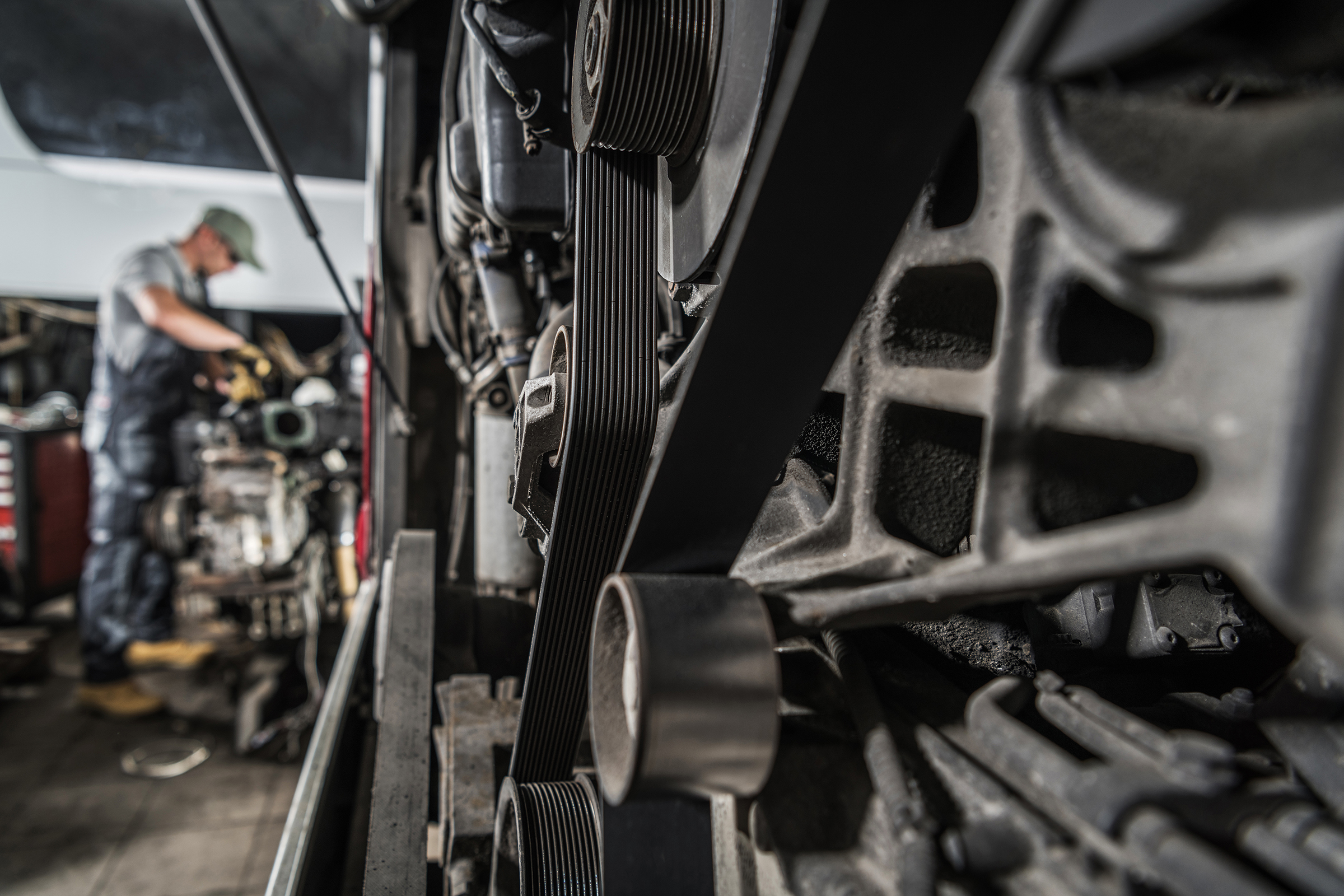
Strange noises coming from your diesel engine can signal potential issues that need immediate attention. Belt noise, in particular, serves as an early warning system for various engine problems that could escalate if left unchecked.
Your diesel engine’s belt system plays a critical role in powering essential components. When you hear unusual sounds, it’s crucial to identify the source quickly to prevent:
- Component failure – Damaged belts can lead to breakdowns
- Costly repairs – Neglected belt issues often result in extensive damage
- Safety risks – Belt failures can cause sudden engine shutdowns
Basic Checks
A systematic approach to troubleshooting belt noise starts with basic checks and progresses to detailed inspections. You’ll want to listen for specific sounds like:
- Ticking or slapping noises
- Rhythmic squealing
- Intermittent squeaking
Potential Causes
These sounds might indicate:
- Loose belts requiring adjustment
- Worn-out belts with missing pieces
- Cracked belts that need replacement
Professional diesel repair facilities introduce skilled expertise to diagnose and repair belt problems. At Mac’s Diesel and Trailer Repair, our experts employ effective troubleshooting techniques to identify the root cause of belt noise and suggest suitable solutions to maintain your engine in its optimal state.
Learning Diesel Engine Belt Systems
Your diesel engine belt system is a vital power distribution system that powers many of the critical components, allowing your engine to perform at the top level of efficiency. Found in front of the engine, these belts mount to:
- Fan Hubs: Maintaining optimal engine temperature
- Alternators: Generating electrical power for your vehicle
- Power Steering Pumps: Enabling smooth steering control
- Air Conditioning Pumps: Providing cabin climate control
Diesel engines can have either a single belt configuration or a complex system with up to six separate belts. The number of belts depends on your engine’s design and the components it needs to power.
Single Belt Systems
- One belt drives all components
- Easier to maintain and inspect
- Common in smaller diesel engines
Multiple Belt Systems
- Up to six separate belts
- Each belt powers specific components
- Allows for independent tension adjustment
- Found in larger diesel engines
It is advantageous to be familiar with the design of your belt system in order to make a correct diagnosis. A noise condition can be due to any individual belt in a multi-belt system, or the issue could be a combination of several belts operating together. This knowledge allows for properly identifying the cause of belt noises and aids in correct troubleshooting.
Initial Diagnosis Steps for Belt Noise
Following a systematic diagnostic approach is crucial when you hear unusual noises from your diesel engine belt system. Here’s what you need to know about proper diagnosis:
Start With a Clean Slate
- Never make assumptions about the source of the noise
- Avoid jumping to conclusions based on previous experiences
- Treat each diagnostic case as unique
Simple Checks First
- Begin with basic belt tension inspection
- Check if the belt feels loose to touch
- Look for visible signs of improper tension
- Make necessary adjustments to achieve proper belt tightness
- The belt should feel firm, similar to a violin string
- Avoid over-tightening
Test and Verify
- Start the engine after making adjustments
- Listen carefully for any remaining noise
- If the noise persists, this indicates the need for further investigation
- If the noise stops, you’ve likely identified and fixed the issue
Remember to maintain safety protocols during these checks. Turn off the engine before any physical inspection and ensure all components have cooled down sufficiently before touching them.
Identifying Common Causes of Belt Noise
A loose belt creates a distinctive ticking sound as it slaps against components during engine operation. Think of it like a loose violin string – when properly tensioned, it produces a clean sound, but when loose, it creates unwanted noise.
Key Signs of a Loose Belt:
- Audible slapping or ticking sounds from the engine’s front
- Visible belt movement beyond normal operation
- Inconsistent engine performance
Belt wear and tear can cause noise problems in several ways:
- Missing Chunks: Gaps in the belt material disrupt the smooth operation
- Dry Cracks: These create irregular contact with pulleys
- Deterioration: General wear affects belt performance
A thorough visual inspection helps identify these problems before they escalate. Look for:
- Frayed edges
- Surface cracks
- Missing pieces
- Uneven wear patterns
Regular belt checks can catch these issues early. If you notice any of these signs during operation, addressing them promptly is essential to prevent more serious engine complications.
Advanced Diagnosis Techniques
After completing your initial belt inspection, a deeper examination might be necessary if the noise persists. Here’s what our diesel mechanics recommend for a thorough diagnosis:
Detailed Belt Condition Assessment
- Rotate the belt slowly by hand to inspect its entire length
- Check for uneven wear patterns on belt surfaces
- Look for any signs of glazing or hardening
- Test belt flexibility – it should have some give without being loose
- Examine belt edges for fraying or deterioration
Belt Train Investigation
The belt train includes all components the belt interacts with during operation. A complete inspection involves:
- Testing each pulley for smooth rotation
- Checking alignment of all connected components
- Inspecting mounting brackets for security
- Verifying proper operation of tensioner mechanisms
- Looking for signs of bearing wear in connected components
Remember – a belt problem might indicate issues with other engine components. A clicking or ticking noise that persists after belt adjustments could point to problems within the belt train system itself.
When to Seek Professional Help
While basic belt inspections can be done independently, certain situations call for expert intervention. Here’s when you need to call professional diesel repair services:
- Persistent Noise After Basic Checks: If belt adjustments don’t resolve the issue, new belts still produce concerning sounds, or multiple belts showing signs of wear.
- Complex Belt Train Issues: If problems involve multiple components, unusual noises from hard-to-reach areas, or interconnected system malfunctions.
Mobile diesel mechanics bring specialized expertise and professional-grade diagnostic tools directly to your location. These experts can:
- Perform comprehensive system evaluations
- Identify hidden problems in the belt train
- Execute repairs with proper equipment
- Ensure all components work harmoniously
- Prevent potential cascade failures
Professional diesel repair services also help maintain your engine’s warranty requirements and provide documented service records for your vehicle’s maintenance history.
Choose Mac’s Diesel and Trailer Repair
Detecting belt noise problems in your diesel engine need not be intimidating. We can assist you in keeping your vehicle at its best with our professional diesel repair service in Lexington. Our experienced mechanics in Mac’s Diesel and Trailer Repair have years of experience in diagnosing and repairing belt issues.
Ready to address your diesel engine concerns?
- Professional diagnostics
- Comprehensive belt system inspections
- Expert repairs and replacements
- Mobile service options available
Don’t let engine belt noise escalate into a bigger problem. Contact Mac’s Diesel and Trailer Repair at (859) 433-4062 to schedule your service appointment today. Our team is ready to deliver reliable solutions to your diesel engine needs.