
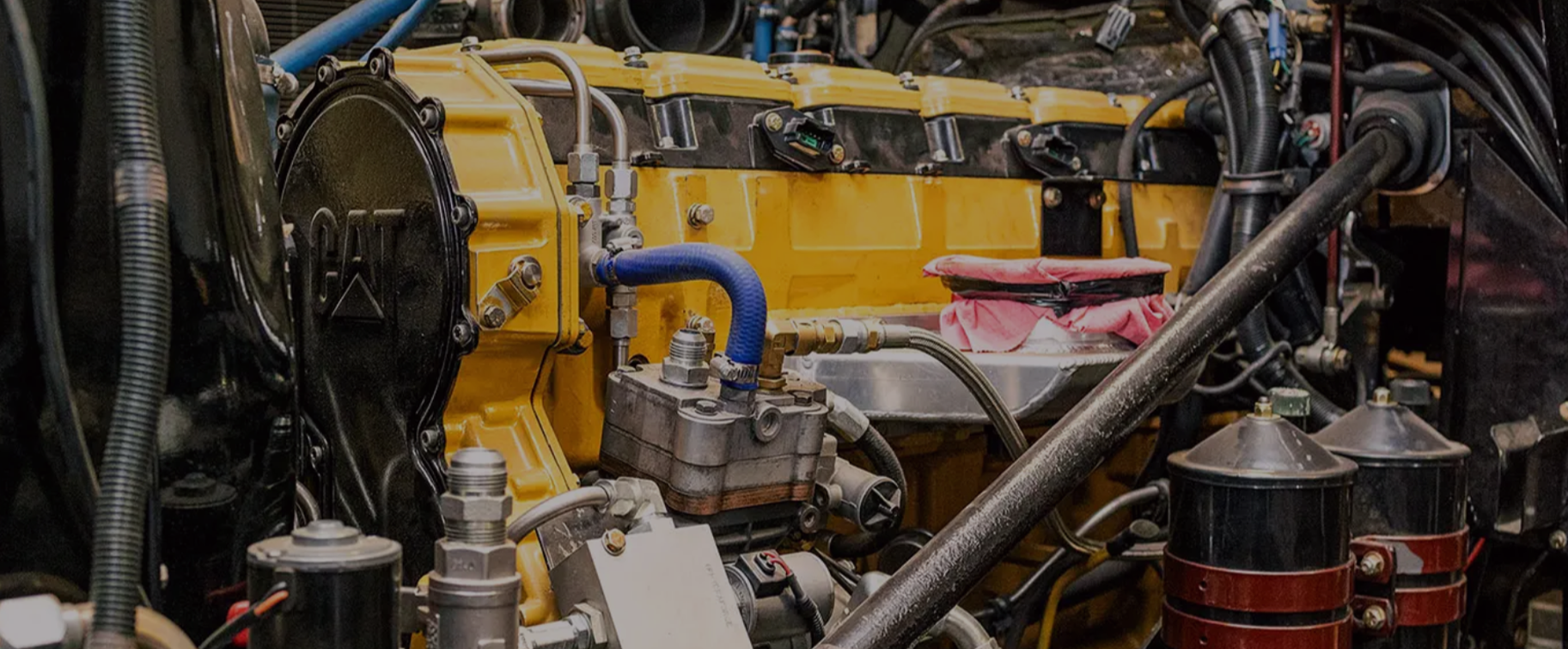
Is your semi truck having trouble starting? The problem might be in your fuel lines – specifically, air that has gotten trapped there for one reason or another. This common but often ignored issue can cause major problems for your truck’s performance and reliability.
Air that enters your fuel lines initiates a chain reaction in your entire engine system. Air in the mixed fuel disrupts the smooth combustion required to properly start combustion and results in rough idling and hard starts.
Prevention is the best medicine for these problems. Just like your body needs clean blood running through your veins, your truck needs clean, air-free gas running through its hoses.
At Mac’s Diesel and Trailer Repair, we’ve seen many trucks affected by this problem. Continue reading to explore what causes air in fuel lines, how to identify it, and what steps you can take to resolve it.
Understanding the Problem of Air in Fuel Lines
Air getting into the fuel lines of your semi truck can cause serious performance problems that you’ll be sure to notice while driving it. Based on our extensive experience with C15 Cat engines and similar systems, here are the main signs that indicate there might be air in your fuel lines:
Common Signs & Symptoms:
- Rough engine idling with noticeable vibrations
- Hard starting, especially after the truck has been sitting
- Decreased fuel efficiency (dropping below 5 MPG)
- Engine performance fluctuations during operation
- Intermittent power loss while driving
The presence of air in your fuel system can have effects beyond these immediate symptoms. Your fuel system relies on precise pressure measurements – usually maintaining 95-103 PSI when it’s working properly. When air gets into this closed system, it disrupts the normal flow of fuel and causes:
- Irregular fuel pressure readings
- Inconsistent delivery of fuel
- Extra strain on your transfer pump
- Potential damage to fuel filters
- Risk of harm to injection components
Air bubbles can be especially problematic because they compress differently than liquid fuel. This compression impacts the timing and amount of fuel delivered to the combustion chambers of your engine. The computer in your truck expects a steady fuel pressure to keep everything running smoothly – but when there are air pockets, it throws off this precision and can result in both immediate performance problems and long-term wear on various parts.
Diagnosing And Fixing Air In Fuel Lines Issue
Identifying air in your fuel lines requires specific diagnostic tools and techniques. A glass bowl fuel sight tool installed in your fuel line acts as a window, allowing you to observe air bubbles in real-time. This simple yet effective tool helps pinpoint exactly where air enters your fuel system.
Step-by-Step Diagnostic Process
Here’s the step-by-step diagnostic process our technicians use:
- Install the glass bowl tool at different points in your fuel system:
- Before the primary fuel filter
- After the fuel filter housing
- After the electric pump
- Monitor the fuel flow through the glass bowl while:
- Idling the engine
- Increasing RPMs
- Checking for vibration patterns
Options for Fixing Air in Fuel Lines
When it comes to fixing air in fuel lines, you have several options that our professional mechanics use:
Fast System Installation: A premium solution that:
- Polishes your fuel
- Separates water from fuel
- Eliminates air effectively
Electric Fuel Pump Setup: A cost-effective alternative using:
- A Raptor fuel pump (100 gallons per minute capacity)
- Strategic placement before the primary pump
- Pressure maintenance at 20-22 PSI
The electric pump solution creates pressure in the system, preventing air from entering through potential vacuum points. This setup effectively works as a DIY fuel polishing system, improving engine performance and reducing vibration issues.
Real-Life Example: Troubleshooting C15 Cat Engine Issues
Let’s explore a real case we encountered with a C15 Cat truck experiencing hard-start issues. The truck showed promising signs after replacing the atmospheric pressure sensor – fuel mileage improved to nearly 5 miles per gallon, and the engine’s performance seemed optimal during regular operation.
Our Diagnostic Process Revealed:
Initial Setup: Fuel system configuration included lines running from the filter through the transfer pump, feeding into both primary and secondary systems
Performance Metrics: Post-sensor replacement showed improved fuel efficiency
Hidden Issue: Despite apparent improvements, subtle engine vibrations persisted
Through our detailed investigation steps, we discover air infiltration occurs after the fuel filter – a problem that isn’t immediately obvious during regular operation. This breakthrough comes when we:
- Installed a glass bowl diagnostic tool after the filter
- Observed significant air bubbles during operation
- Noticed slight engine vibrations correlating with air bubble appearances
Our solutions typically involve repositioning the fuel pump before the primary pump. This modification creates a pressurized system that effectively eliminated air infiltration, resulting in:
- Smoother engine operation
- Consistent fuel pressure (98-103 PSI at idle)
- Enhanced overall performance
Preventive Maintenance Tips To Avoid Air In Fuel Lines Problem
Regular servicing is key to avoiding air from leaking into the fuel lines of your truck. Some of the most essential preventive actions to keep your fuel system functioning include the following:
- Replace fuel filters at 15,000-20,000 miles
- Inspect for contamination or damage
- Replace filters in time even if they appear clean
Fuel System Maintenance
- Keep fuel tanks half full to prevent air space
- Inspect fuel lines for soft spots, cracks, or damage
- Verify all fittings and connections on the fuel lines to be properly tightened
- Monitor fuel pressure readings during regular maintenance
3. Quality Fuel Management
- Use high-quality fuel from reliable sources
- Allow fuel to settle after filling tanks
- Consider installing a fuel polishing system
- Drain water separators regularly
4. Professional System Checks
- Have fuel system pressure tested periodically
- Get fuel line connections professionally inspected
- Consider upgrading to a FAST system for enhanced air separation
- Schedule regular diagnostic checks to catch issues early
These preventive steps help maintain optimal fuel system performance and reduce the risk of air infiltration in your fuel lines.
Why Choose Mac’s Diesel And Trailer Repair?
At Mac’s Diesel and Trailer Repair, we bring professional truck repair services directly to you! Our mobile diesel mechanics specialize in diagnosing and fixing complex issues like air in fuel lines, ensuring your semi truck gets back on the road quickly.
Our Service Offerings Include:
- Professional onsite truck repair
- Bus and RV repairs
- DOT inspections
- Emergency roadside repair
- Thorough diesel engine inspection
- Fuel system repair and maintenance
You can feel confident relying on our staff of very experienced diesel technicians working in Lexington, Kentucky, and the surrounding region. We understand how important it is to have your truck running and we are all about providing top-notch repair services with an emphasis on quality workmanship and customer satisfaction.
Let’s Get Your Semi Truck Running Right Again
Air in your fuel lines can have a major effect on how your semi truck runs, leading to hard-start situations and reduced fuel economy. While there are do-it-yourself fixes, professional repair guarantees accurate diagnosis and repair of these complex fuel system issues.
At Mac’s Diesel and Trailer Repair, we know how important it is that your truck be operable. Our experienced mobile mechanics take professional testing equipment and know-how to your location, saving you time and hassle.
Don’t let fuel line air jeopardize your truck’s efficiency or business operations! Do something about it now:
- Schedule a Professional Inspection: Allow our experienced technicians to diagnose and fix your fuel system problem.
- Prevent Future Issues: Routine maintenance prevents expensive repairs and downtime.
- Get Professional Assistance: Our staff is experienced in full semi truck repair and maintenance.
Is it time to have your truck running at top form again? Call now at (859) 433-4062 to arrange an appointment with our mobile diesel mechanics.
Additional Services
Our offerings extend beyond just fuel system repairs. We also provide professional onsite truck repair, bus and RV repairs, DOT inspections, emergency roadside repair, and thorough diesel engine inspections including EGR & DPF services.
Whether you’re dealing with a tricky fuel line issue or need a comprehensive vehicle inspection, we at Mac’s Diesel And Trailer Repair are here to help you get back on the road smoothly and efficiently!