
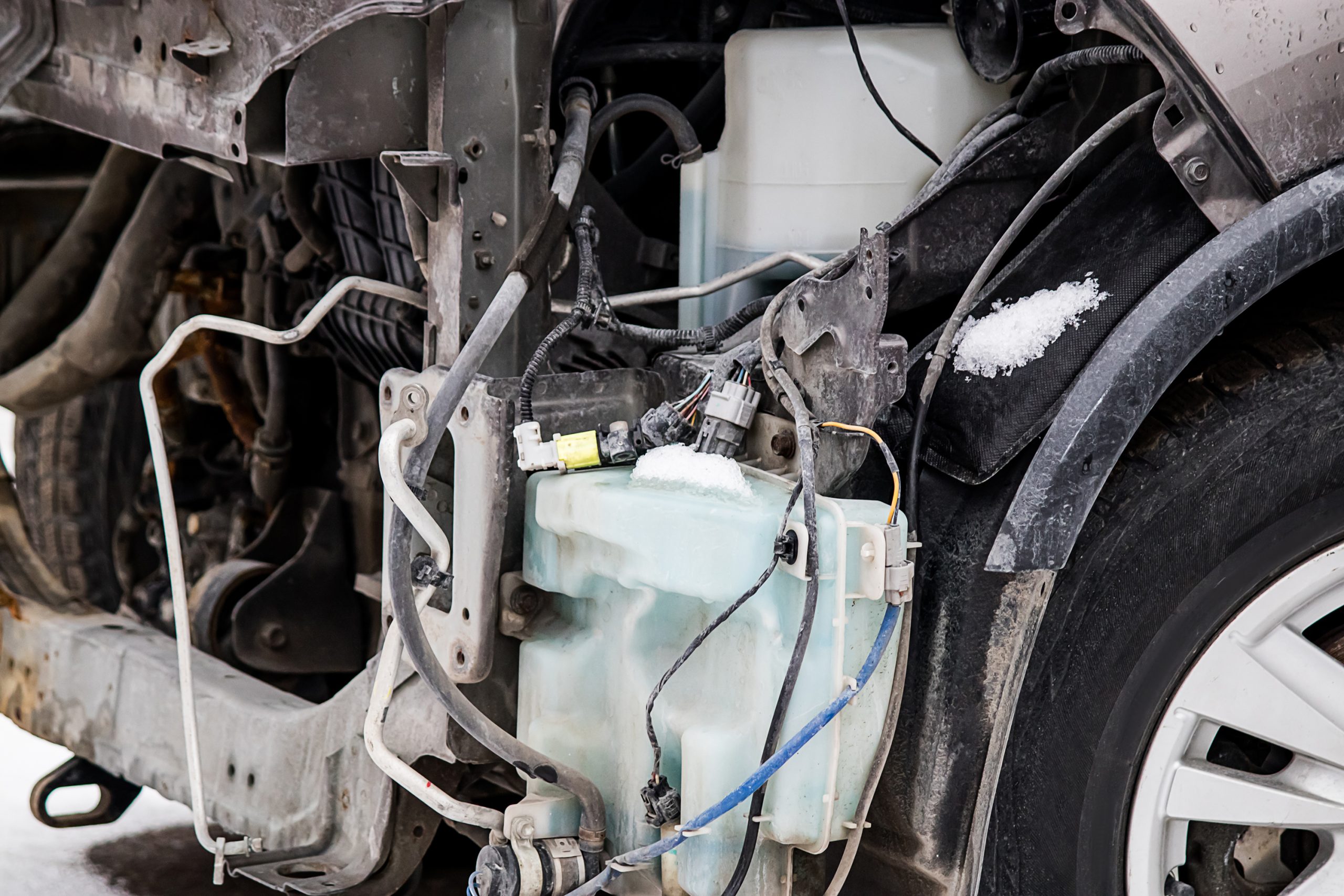
Maintaining your truck’s engine requires more than just routine oil changes and tire checks. To keep your engine performing at its best, it needs to stay cool, and that’s where the coolant system comes in.
The coolant system is essential for preventing engine overheating and ensuring smooth operation. However, if neglected, issues like leaks, overheating, or contamination can arise, leading to costly repairs and potential engine damage.
In fact, about 50% of engine downtime is caused by cooling system issues, underscoring the importance of proper coolant system maintenance. Let’s explore the common coolant system problems that can occur and practical maintenance tips to keep everything running smoothly.
Understanding Your Coolant System
Your truck’s coolant system works much like the circulatory system in your body, consisting of various components that collaborate to keep the engine cool. The key parts of the cooling system include:
- Radiator
- Water pump
- Thermostat
- Hoses
- Coolant
These components create a loop through which coolant circulates, absorbing heat from the engine, cooling down in the radiator, and then returning to the engine to repeat the process.
Common Issues with Coolant Systems & Their Solutions
Even with regular maintenance, issues can still arise within the coolant system. Understanding these problems and recognizing their symptoms can help you address them quickly.
Here are some common problems you might encounter:
Coolant Leaks
Coolant leaks are one of the most frequent issues, often caused by worn-out hoses or connections that allow coolant to escape. Regularly inspecting hoses and clamps can help prevent leaks.
Causes:
Cracked or worn-out hoses
Damaged radiator
Loose or broken clamps
Symptoms:
Puddles of coolant under the truck
Low coolant levels in the reservoir
A sweet smell coming from the engine
Solutions:
Inspect hoses for cracks or wear and replace them if necessary.
Ensure all clamps are secure and replace any that are broken.
If the radiator is damaged, repair or replace it to stop leaks.
Overheating
Overheating can cause severe engine damage if not addressed promptly. Regularly checking coolant levels and ensuring the radiator is clean and functioning properly is essential.
Causes:
Blocked or clogged radiator
Faulty thermostat
Low coolant levels
Symptoms:
Rising temperature gauge on the dashboard
Steam coming from the engine
Engine warning light
Solutions:
Remove debris or blockages from the radiator to improve airflow.
Replace a faulty thermostat if it’s not functioning correctly.
Regularly check and refill coolant levels to prevent overheating.
Contaminated Coolant
Contaminated coolant can reduce the efficiency of the system. Regular flushing and replacing the coolant help prevent buildup and contamination.
Causes:
Rust or debris in the system
Oil mixing with coolant
Using the wrong type of coolant
Symptoms:
Discolored or muddy coolant
Sludge buildup in the reservoir
Poor engine performance
Solutions:
Perform a complete flush of the coolant system to remove contaminants.
Use the manufacturer-recommended coolant type.
Repair any issues where oil may be entering the coolant system.
Faulty Components
Water Pump Failure: The water pump is crucial for circulating coolant. If it fails, the engine can overheat quickly. Replace the water pump if it shows signs of wear or failure.
Malfunctioning Thermostat: A thermostat stuck closed can cause the engine to overheat, while one that remains open can prevent the engine from reaching the proper operating temperature. Replace the thermostat if it’s not functioning correctly.
Damaged Radiator Fans: Radiator fans help cool the coolant as it passes through the radiator. If the fans fail, the coolant may not cool down effectively. Replace faulty radiator fans if necessary.
Regular Maintenance Tips
Maintaining your coolant system in good condition requires regular care. Here are some simple tips to help you keep it in top shape:
Check Coolant Levels
Regularly check the coolant levels in your truck. Low coolant can lead to overheating. Make it a habit to check levels every few weeks or before long trips. If the level is low, add the correct type of coolant.
Inspect Hoses and Belts
Look for signs of wear on hoses and belts. Check for cracks or leaks, which can lead to coolant leaks or pump failure. Replace any damaged hoses or belts promptly.
Monitor the Temperature Gauge
Keep an eye on your truck’s temperature gauge. If it enters the red zone, your engine may be overheating. Safely pull over, let the engine cool down, and check coolant levels and for leaks before continuing your journey.
Examine the Radiator and Cap
Inspect the radiator for signs of rust or damage. Also, check the radiator cap to ensure it seals properly, as a faulty cap can lead to coolant loss and overheating. Replace the cap or radiator if necessary.
Don’t Let Overheating Ruin Your Day: Visit Mac’s Diesel and Trailer Repair Today!
Keep your truck or trailer running smoothly with expert coolant system care. Mac’s Diesel and Trailer Repair offers comprehensive coolant system services, including inspections, repairs, and replacements. We specialize in maintaining and repairing heavy-duty trucks to ensure they perform at their best. Our skilled technicians use top-quality parts to deliver optimal results.
Contact us today at (859) 433-4062 for expert service and top-notch care for all your coolant system needs.
Visit Mac’s Diesel and Trailer Repair for a coolant system checkup!
FAQs
What is a coolant system?
A coolant system is part of a truck’s engine that regulates temperature by circulating coolant through the engine and radiator. This prevents overheating and maintains optimal operating conditions.
How often should I check my coolant levels?
Check your coolant levels at least once a month to ensure the system is functioning correctly and to detect any leaks early.
When should I replace my truck’s coolant?
Most manufacturers recommend replacing the coolant every 30,000 to 100,000 miles. However, refer to your truck manual for specific guidelines.