
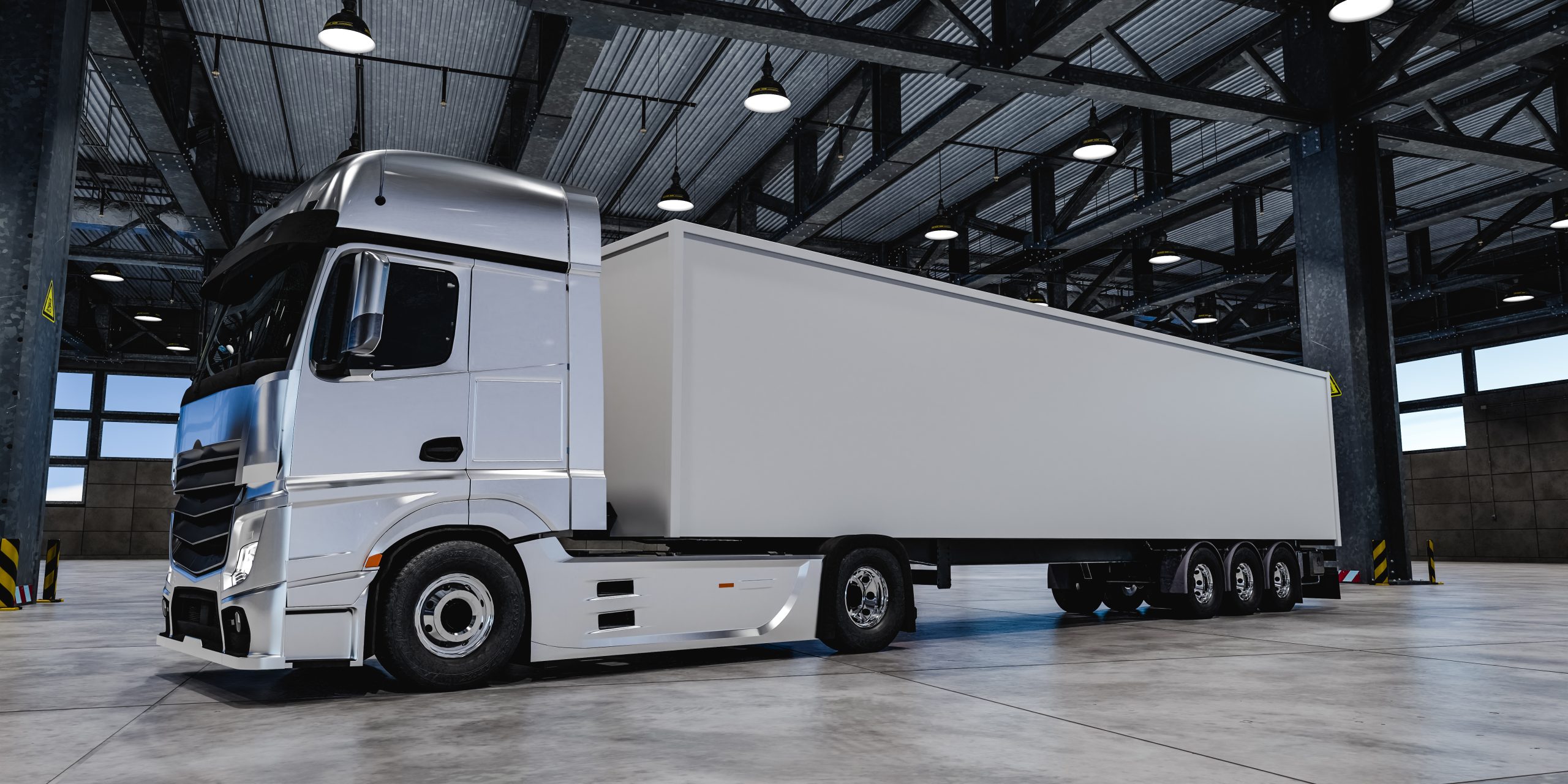
The trucking business is at a crossroads. Semi trucks are going electric, with Tesla Semi hitting the ground first and others scrambling to follow. You operate a fleet, you’ve likely heard of these e-trucks and questioned whether they’re suitable for your business.
Having an understanding of the advantages and disadvantages of electric semi truck rigs for your company is less a function of staying up with the new trend, and making a wise choice that will affect your bottom line for many, many years. Electric semi trucks are huge fuel savers and lower maintenance, but along with them come challenges such as limited range and infrastructure requirements.
As a fleet operator and manager, both aspects of this calculation need to be known. Placing electric semi trucks into service in your fleet will affect all diverse aspects of your business, from your driver’s daily route to your maintenance crew’s toolbox. If you’re considering buying your first electric truck or going entirely electric, what to keep an eye out for will prepare you for what is ahead.
The Emerging Landscape of Electric Semi Trucks
The company’s trucking business is at a juncture currently, and electric semi trucks are fast-moving from the discussion stage to actuality on the road. The Tesla Semi Truck has been making headlines with major companies like JB Hunt ordering in large quantities of around 40 units and even Tesla using the trucks to transport batteries and Model 3s between plants. The firm was able to demonstrate what the truck is capable of doing by traveling from California to JB Hunt terminals without charging in the process.
Who Else is in the Game?
Tesla continues to make waves in this industry, but they are not single-handedly attempting to make waves. Others are also attempting to make waves:
Tesla: They are working on hydrogen technology, but it appears that they are not as far along as Tesla is right now.
Toyota: They also jumped into the mix, so there will likely be even more competition in the e-truck market in the future.
What’s in Store for Fleets?
According to experts in the industry, we can expect a drastic change in fleet composition within the next ten years. They anticipate that electric semi trucks will become very common by then, and then autonomous features in another two decades. Trucks will be first used in controlled environments like warehouses and yard operations before creeping onto longer routes over time.
Tesla knows that every company will have different transportation requirements. That is why they have two particular configurations:
- Day cab models: These are designed for regional routes where trucks return to their starting point after each trip.
- Mid-range sleeper configurations: These are meant for longer hauls where drivers need to spend the night at terminals.
Pricing Insights
When it comes to pricing, here’s what you need to know:
- The day cab version starts at $150,000 for the model with a range of 300 miles.
- If you opt for the extended variant with a range of 500 miles, it will cost you $180,000.
In comparison, traditional diesel trucks usually average around $120,000. This means that electric options are positioned as premium investments requiring careful consideration of your specific operational needs.
Advantages of Incorporating Electric Semi Trucks into Your Fleet
The economics of electric semi trucks make sense when you factor the numbers in. Based on Tesla’s estimates, you are talking about an operating cost of $1.26 per mile as opposed to the old diesel truck’s cost of $1.50 per mile. That is a significant margin that rapidly accumulates when you are operating multiple units over hundreds of thousands of miles per year.
Cost Savings
Fuel Cost Savings: Drivers can add as much as $200,000 to their bottom line per year per vehicle, says Elon Musk. Actual results will depend on your routes and your charging costs, but the following two-kilowatt-hour-per-mile rate of energy use verifies that these savings are not a pipe dream.
Maintenance Savings: Electric drivetrains eliminate many of the wear items that drain your diesel maintenance funds. No oil changes, no diesel particulate filter cleanings, and significantly less brake wear thanks to regenerative braking systems. The independent motors on each drive axle mean fewer mechanical components that can fail.
Performance Benefits
Improved Acceleration: The instant torque delivery means your drivers can accelerate from 0 to 60 mph with an 80,000-pound load more efficiently than diesel counterparts.
Better Hill Climbing: Climbing a 5% grade at 60 mph becomes achievable without the typical diesel struggle.
Environmental Impact
Half the carbon footprint is reduced with no tailpipe emissions, enabling you to keep up with increasingly stringent sustainability demands from regulators and green logistics-conscious customers seeking eco-friendly business partners.
Restrictions and Challenges of Electric Semi Trucks
While the benefits sound attractive, making a determination about whether or not electric semi rig trucks are for your business is a practical consideration of what limitations already apply. The Tesla Semi has a 300- to 500-mile range, but here’s the trick: those estimates don’t account for hilly roads or adverse weather conditions. If you’re hauling goods over hills or have nasty weather to contend with, your range will be affected.
The Weight Issue
Maybe the most important issue that is left out is the weight of an empty electric semi. The battery packs are extremely heavy, and this affects what kind of size load you can lawfully transport while still remaining under the 80,000-pound mark. The recording has one very crucial question that was left unanswered: “We couldn’t find the weight of the empty truck.” This uncertainty makes it difficult to calculate your actual payload capacity. You might find yourself limited to lighter loads, which affects your revenue per trip and could negate some of those fuel savings.
Charging Infrastructure Reality
Tesla has announced plans for “mega chargers” at fleet terminals, but the development status remains unclear. Right now, your best bet is overnight charging at your own facilities. This works well for regional operations where trucks return to base daily, but it limits your flexibility. Quick charging stations along major routes are still sparse, and the cost per charge at these locations versus your own facility remains a significant unknown factor that impacts your operational budget planning.
The range limitations and battery life concerns mean you’ll need to carefully evaluate whether electric rigs fit your specific routes and semi truck repair capabilities before making the investment.
Maintenance Considerations for Electric Rigs Compared to Diesel Counterparts
Closing the diesel-to-electric gap introduces a fundamental change in the way you’ll do semi truck maintenance and repair. Electric powertrains dispense with most of the archaic maintenance nuisances—goodbye, oil changes, fuel filter cleanings, and DPF regen headaches. The elimination of complex transmission systems, turbochargers, and exhaust hardware leaves fewer parts that can fail or need routine servicing.
Your maintenance costs will shift dramatically. Instead of dealing with worn injectors or failing EGR valves, you’ll focus on:
- Battery health monitoring and thermal management systems
- Electric motor bearing inspections
- Brake system checks (though regenerative braking extends pad life significantly)
- Tire rotations and suspension components
The real game-changer? Your mechanics need different skills. Diagnostics now center on software updates, sensor calibrations, and electrical system troubleshooting. Tesla Semis can update over the air independently! That makes your repair shop require high-voltage system-trained mechanics and computer diagnostics instead of the old mechanical labor. The transition is abrupt, but the reward is reduced breakdowns and more fixed maintenance cycles.
Operational Strategies for Maximizing Electric Semi Truck Efficiency
To maximize the use of your electric semi trucks, you have to manage your fleet differently than you do with diesel trucks. The 300-500 mile range makes you want to carefully consider where in your operation these trucks should be used.
Regional freight operations would be a good focus.
Regional hauls are currently the sweet spot for electric semis. You will need to chart routes where your trucks are in their best range—likely less than 400 miles to factor in hills, weather, and payload weight. No one will be happy to have their driver stuck 50 miles from a charging station because they tested the range too far.
Optimize Charging Scheduling
Scheduling charging is your best friend. Having overnight charging at your terminals allows you to wake up each morning with a full battery while your trucks otherwise do nothing. Companies that have multiple distribution points can create strategic charging networks at every one of their points, not having to rely on nascent public charging infrastructure.
Optimize Routes Based on Terrain and Weight
Think about your heaviest routes, too. That fully loaded trailer heading through Wisconsin hills will drain the battery faster than a lighter load on flat Midwest highways. Matching your electric trucks to appropriate routes based on terrain and weight requirements keeps your operation running smoothly.
Future Outlook: Combining Autonomy and Electric Power
The marriage of electric semi rigs and self-driving trucks is the fleet technology of the future. But these two are on divergent adoption timetables. Electric trucks are already appearing in commercial fleets, but full-fledged automation features will be some time in the future.
Learning the Timeline for Electric Semi Truck Rigs
To estimate what the effect of electric semi truck rigs is going to have on your fleet, keep in mind that full autonomy is still a good 20+ years away from being deployed on a mass commercial basis. Autonomous technology must first be deployed on passenger cars before it can be implemented on high-risk and complicated work such as trucking.
Further, safety laws and regulations will also have to be altered substantially before autonomous half trucks can appear on the highway.
Exploring Immediate Opportunities for Automation
In the meantime, there are several areas where we can expect to see automated solutions being implemented:
- Warehouse-to-warehouse transfers within company campuses
- Yard spotting operations where trailers move between docks
- Automated loading and unloading at designated facility zones
- Geofenced delivery routes in industrial parks
These controlled environments provide an ideal setting for testing out autonomous technology. By implementing automation in these specific areas, fleets can gain valuable experience while still prioritizing safety measures.
Drawing Parallels with Existing Automation Practices
To get a sense of this idea, let’s compare it to how manufacturing plants use automated guided vehicles (AGVs) today. AGVs are guided vehicles that carry products inside a manufacturing plant or inside a warehouse. Likewise, imagine the day that semi trucks will operate independently inside large distribution centers or manufacturing complexes.
The future of limited autonomy becoming a reality is consistent with what has been predicted by industry analysts. These types of applications are predicted to begin appearing in this decade, specifically for fleets of equipment on large properties.
By remaining up to date on these developments and seeing what type of opportunity there is for partnering with providers of technology, you can put your fleet at the forefront of this shift.
How Mac’s Diesel and Trailer Repair Assists Fleets with Switching to Electric Rigs
While the electric revolution redefines the trucking industry, you require a repair partner attuned to both vintage diesel systems and emerging electric technology. We at Mac’s Diesel and Trailer Repair are leading the charge with this transformation, so your fleet is fully supported no matter what propels your rigs.
Professional Onsite Services Evolving with Your Fleet
Our on-site diesel mechanics team brings semi truck repair services directly to your location across Lexington, Kentucky, and surrounding areas. We’re actively adapting our capabilities to handle electric truck maintenance as these vehicles become more prevalent in your operations. You won’t need to search for separate service providers—we’re building expertise in both diesel and electric powertrains.
Comprehensive Support for Modern Fleets
Scheduled maintenance appointments designed specifically for heavy-duty truck fleets, including emerging electric models
Expert diagnostic services that keep pace with advancing truck technologies and software systems
Emergency roadside assistance equipped to handle both conventional and electric vehicle issues
DOT inspections and compliance services for all truck types in your fleet
Technician Training and Expertise
We’re investing in continuous education for our mechanics, ensuring they master both traditional diesel repairs and new electric drivetrain systems. This dual expertise means you experience minimal downtime during your fleet transition. Your trucks receive knowledgeable service whether they run on diesel fuel or battery power, keeping your operations running smoothly through every phase of electrification.
Choose Mac’s Diesel and Trailer Repair
The transition from semi-trucks to electric is a significant fleet transformation, with exhilarating possibilities and practical issues requiring serious consideration. We at Mac’s Diesel and Trailer Repair can assist your fleet with this transformation, whether already operating diesel trucks or preparing for an electric future.
Designing for the advantages and disadvantages of electric semi truck rigs for your fleet involves balancing such factors as limited range, charging locations, and initial expense against likely fuel savings, lower maintenance, and environmental advantages. Supports are being developed at an accelerated rate, and having a dependable repair shop that knows both diesel and new electric systems allows you to convert when you are ready.
Ready to talk about your fleet’s future? Our team is available to answer questions about maintaining your current trucks or getting ready for electric vehicles. Call us at (859) 433-4062 to schedule service or find out more about how we’re evolving with the industry to keep your fleet running strong.