
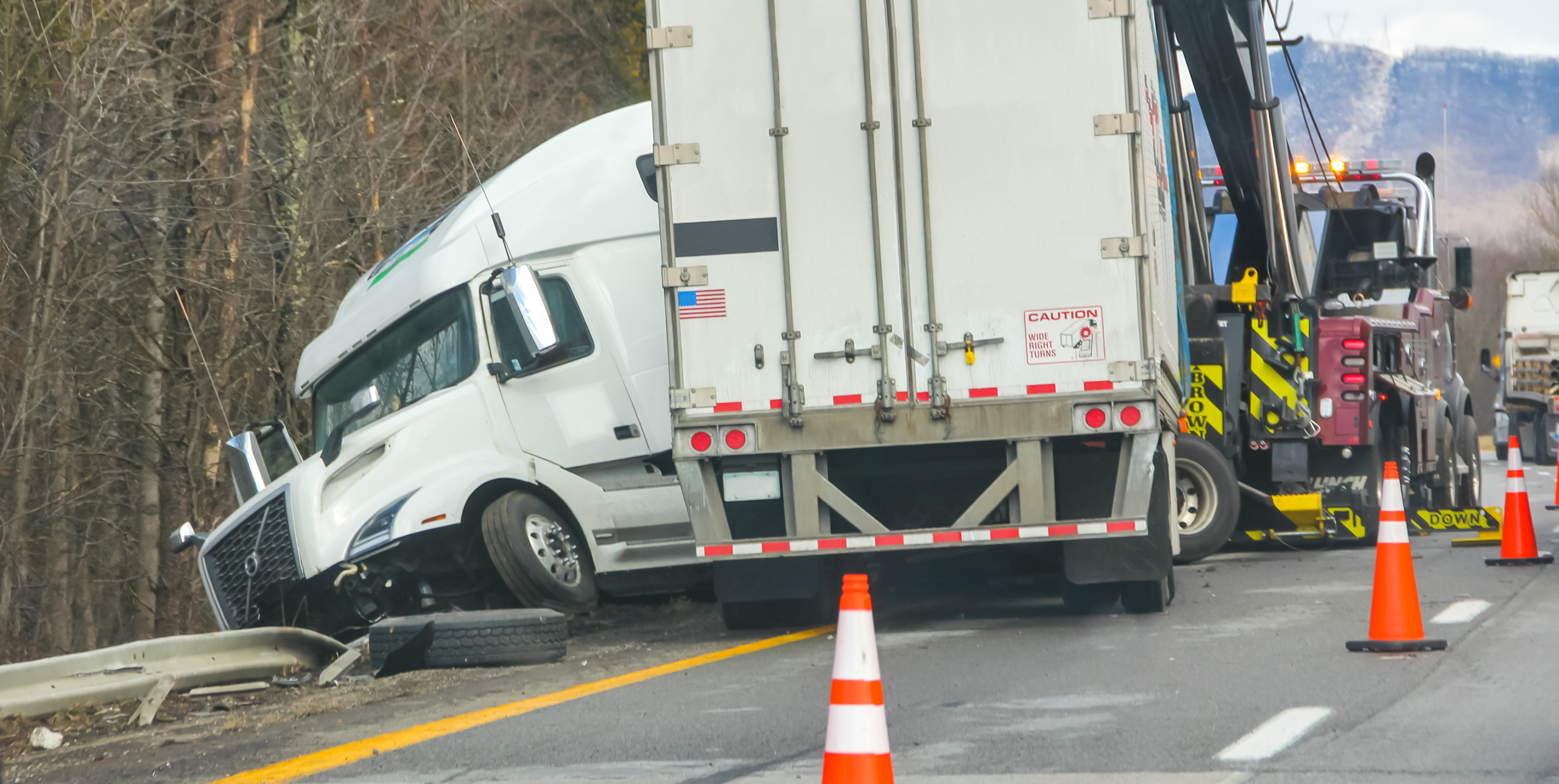
A semi truck collision is really stressful. But once any smoke settles, and everyone is determined to be okay, the real pressure starts when the semi truck is left unable to drive. Loads still need to be delivered. Customers still expect updates. Semi truck drivers still need equipment they can trust. If you manage a fleet, one damaged semi truck can quickly turn into scheduling problems, lost money, and a lot of guessing.
At Mac’s Diesel, we have seen semi truck collision repair goes from bad to worse for one reason: the process starts with an incomplete inspection. When the initial estimate is built on guesswork, the rest of the job often turns into more work, delays, and a final bill that feels like it came out of nowhere! Our approach is simple. We do a tear down and inspection before we lock in an estimate, so you know what you are dealing with upfront. We can deliver the truck repair on the timeline we promised.
Below is what we recommend looking for in a truck collision repair shop, whether you run one semi truck or fifty.
What Happens After A Semi Truck Collision? Why The First Inspection Matters
Most people focus on what they can see: a hood, a torn bumper, a bent step, damaged fairings, or a cab that took a hit. With duty semi trucks, the hidden damage is often the expensive part and the part that can cause safety issues later.
A proper semi truck collision repair process should start with documentation, diagnostics and a detailed inspection that goes beyond surface damage. The shop should be willing to explain what they are checking and why. If a facility seems eager to give you a number without a teardown or without confirming mechanical conditions, that is a red flag. In our experience, that shortcut is what leads to the surprise cost later, along with downtime.
A complete estimate takes effort at the beginning. It usually saves time overall because the parts list is more accurate, the labor plan is clearer, and the repair sequence is not constantly changing halfway through the job.
What A Reputable Semi Truck Collision Repair Shop Should Do First
Before any major repairs begin, a quality shop should focus on safety, accuracy, and a repair plan that matches how the semi truck is actually used.
A strong start usually includes:
- A teardown and inspection for hidden damage is found early, not after parts are ordered, or paint is already scheduled.
- Clear documentation with photos. Written notes for your records, your insurer, and your internal maintenance history.
- A realistic timeline that accounts for parts availability, calibration needs, sublet work if required, and paint cure times.
- Upfront communication about what’s repairable and what may need replacement. Where costs can change if additional damage is found during teardown.
That might sound basic. It is where a lot of semi-truck collision repairs fall apart.
Workmanship: What You Can Learn In A 10-Minute Walkthrough
One of the ways to judge a shop is to look at the facility in person. You are not looking for perfection. You are looking for signs that they take the work seriously and that they repair trucks like yours every day.
A run collision facility is usually organized, with a flow from intake to teardown, repair, prep, paint, reassembly, and final QC. When a shop is chaotic, it often shows up later as missed steps, lost parts, and delays.
It also helps to notice what they are working on. If the yard is full of passenger vehicles and light-duty work, it does not automatically mean they cannot fix a truck, but it should make you ask more questions about their heavy-duty experience, lifting capacity, frame and alignment capability, and parts sourcing for your semi truck make and model.
Technology That Actually Matters For Heavy-Duty Semi Truck Collision Repairs
Truck collision repair is not about welding and replacing panels. Modern semi trucks often involve sensors, driver-assist features, and electronics that need setup after repairs. On units, alignment, mounting points, and structural integrity still require the right tools and accurate measuring.
When you are vetting a shop, ask what tools they use for measurement, alignment checks, and diagnostics. You also want to know how they handle repairs that affect steering, suspension, braking components, or anything that changes the way the semi truck tracks down the road.
A shop that invests in equipment is usually a shop that plans to stand behind the truck repair.
Rental Options And Keeping You Moving During Repairs
For owner-operators, downtime is personal. For fleet managers, it is operational. Either way, the best semi truck collision repair experience is the one that keeps your business running.
Not every shop can provide a substitute unit. It is worth asking what options they support. Some facilities have relationships with providers. Can help coordinate a replacement unit so you are not stuck making last-minute calls.
Even if you do not need a rental, pay attention to how the shop talks about scheduling. A professional shop will understand that “as soon as possible” is not a plan, and they will give you realistic milestones and updates as the job progresses.
Pricing: Why The Cheapest Estimate Is The Expensive Choice
Everyone wants a fair price. We do too. In truck collision repair, a low estimate can be a sign that the shop is guessing, skipping teardown, or leaving out operations that will show up later.
The best question is not “Who is cheapest?” It is “Who is accurate, transparent, and able to deliver the truck repair without dragging it out?”
A quality shop will explain the estimate in language. Set expectations early. If something is going to cost money to fix, we believe you should know ahead of time, rather than getting a low number up front that turns into a much higher bill once the semi truck is already disassembled.
Damage: What Can Come Back To Hurt You
Hidden damage is not just a cost issue. It is a safety issue and a reliability issue. A semi truck can look fine. Still have problems that show up weeks later under load on roads or after thousands of miles.
Depending on the impact, hidden damage can involve mounting points, frame or subframe components, suspension parts, steering components, cooling systems, air lines, wiring, and sensor-related systems. If a repair facility does not treat diagnostics and inspection as a step, you are more likely to deal with repeat visits, uneven tire wear, pulling, vibration, leaks, warning lights, or parts failing sooner than they should.
We prefer to find those issues during teardown, not in the run after pickup.
Accountability: The “No Drama” Factor
Semi truck collision repair is already inconvenient. The shop you choose should reduce stress, not add to it.
A good sign is when a shop can walk you through the process, explain what happens next, and give you a point of contact who will actually return calls. You should also expect updates when something changes, not after you have already been waiting for days.
At Mac’s Diesel and Trailer Repair, we aim to make the process straightforward: inspection, first accurate estimate, timeline, and consistent communication until the semi truck is back to work.
Final Quality Checks Before You Take The Semi Truck Back
Before you accept the truck, a reputable shop should be doing its own quality control. This is where finish meets function. Panels should align properly, lights should work, and repairs should look clean. The bigger goal is making sure the semi truck is safe and ready for real-world use.
Do not be afraid to ask what their final QC process includes. Whether there is a repair, test drive, or verification step when needed. A shop that takes pride in its work will not be bothered by these questions.
Let’s Get You Back On The Road Without Surprises
A semi truck collision can shake up your operation. The semi truck collision repair process does not have to be complicated. The right shop will take the time to inspect the truck correctly, give you a realistic estimate, communicate clearly, and deliver a semi truck repair you can trust.
If you need truck collision repair and want it handled with a thorough teardown, honest estimating, and professional turnaround, call (859) 433-4062 and talk with our expert technicians. We will walk you through the steps. and help get your semi truck back on the road with less downtime and fewer surprises!