
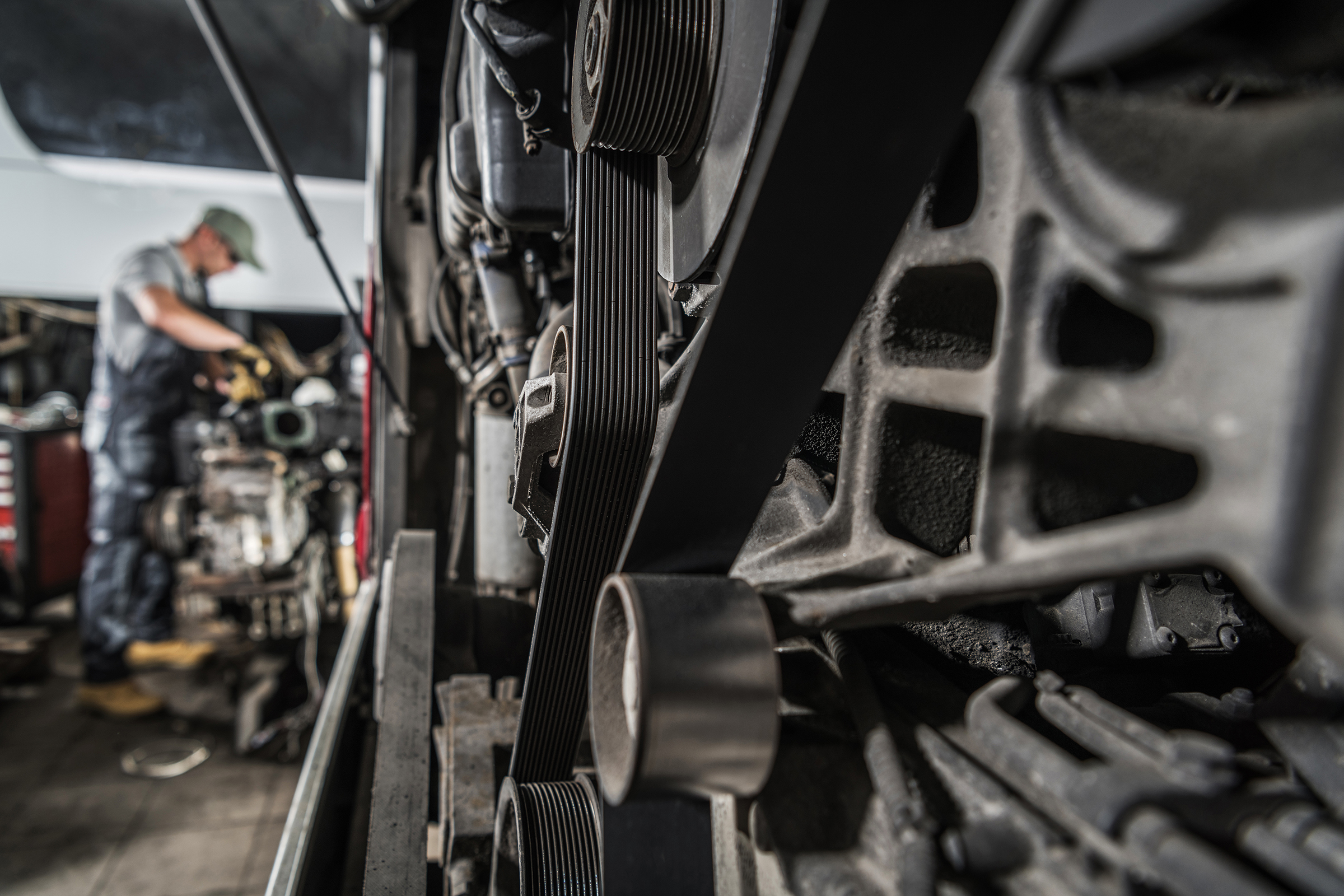
In selecting semi-truck repairs, whether to choose OEM or aftermarket parts has the ability to directly affect both finances and performance. This very important decision has an impact that varies between the initial repair price and long-term reliability, so it is crucial to understand exactly what you are getting with the option.
The argument between OEM and aftermarket goes so far beyond just looking for a deal with a rock-bottom price. You must examine how individual parts will perform in the real world, how long they will most likely last, and whether or not front-end savings will pay for themselves in the long run. Some aftermarket options provide better performance for a radically lower price, but others strand you on the side of the road with expensive consequences.
The reality: OEM and aftermarket parts both play vital roles in the world of diesel repair and maintenance strategies. All you have to know is when to reach for the individual type in light of the particular piece, how you’ll use the truck, and your budget constraints. To make wise choices when it comes to truck parts, you must recognize the distinctions separating high-end aftermarket choices from shoddy counterparts, potentially costing more down the line.
The Nature of OEM Parts
OEM is an acronym for Original Equipment Manufacturer – the very same truck parts installed on the truck when it left the factory. With OEM components, you’re receiving the manufacturer-approved parts specifically designed to power the truck with the particular make and model number.
The advantage inherent in OEM parts is guaranteed compatibility. Truck builders designed these parts to perfectly function with each other for optimal performance, safety, and durability. This high-precision design ensures that unforeseen compatibility problems or performance issues that others encounter are avoided.
Critical OEM Components for Diesel Repair
Several key systems benefit significantly from OEM specifications:
- Engine components – injectors, turbos, and engine harnesses require precise tolerances
- Suspension systems – springs and shocks engineered for your truck’s weight distribution
- Transmission parts – gears and bearings designed for your specific transmission model
- Sensors – particularly crucial for regeneration and D-rating functions
Real-world testing consistently demonstrates OEM superiority in demanding applications. Take wheel bearings, for example – OEM versions consistently outlast aftermarket alternatives in heavy-duty applications. Similarly, OEM sensors prevent fault codes that can trigger costly regeneration issues or D-rating problems.
The reliability factor becomes especially important for diesel repair scenarios where downtime costs you money. OEM parts typically offer longer service intervals and more predictable performance, reducing unexpected breakdowns that can sideline your operation when you can least afford it.
Exploring Aftermarket Parts
Aftermarket parts are cost-effective alternatives to OEM components, typically offering significant savings on your semi truck repair budget. These parts come from third-party manufacturers who design components to fit your truck’s specifications without being the original supplier.
The cost comparison between aftermarket and OEM parts is most evident with body components. Aftermarket options work exceptionally well for frequently damaged or replaced parts:
- Mirror covers – Perfect for areas prone to collisions
- Bumper corners – Ideal for repairs caused by loading dock damage
- Side fairings – Excellent choice for cosmetic replacements
- Lower body fairings and bumpers – Recommended for their durability and value
Keep in mind that aftermarket fairings may require additional painting costs, which should be included in your total expense calculation.
Quality varies dramatically among aftermarket manufacturers. While some produce components that rival OEM standards, others fall short of expectations. Volvo headlights provide a clear example – aftermarket versions consistently demonstrate poor quality and shorter lifespans compared to OEM alternatives, making them a poor investment despite lower upfront costs.
The key is to find out which aftermarket brands deliver reliable performance for specific applications. Some manufacturers excel in certain component categories while struggling in others, making brand research essential for successful aftermarket parts selection in your maintenance strategy.
Quality Assessment Between OEM and Aftermarket Components
When comparing the quality of OEM and aftermarket parts, practical testing in the real world reveals considerable performance and durability differences. Practical experience with wheel bearings proves OEM parts always last longer than the aftermarket equivalent, offering superior value for money even with the additional initial investment.
The brake force band comparison tells a compelling story. During side-by-side testing with two identical units, the OEM brake force band significantly outlasted the aftermarket version, proving that initial savings can quickly disappear when you factor in replacement frequency and labor costs.
Critical sensor performance presents another area where OEM parts shine. Knox sensors – both outlet and inlet varieties – show dramatically different lifespans when comparing OEM to aftermarket options. The OEM sensors maintained reliable operation, while aftermarket versions failed prematurely, resulting in costly downtime and diagnostic headaches.
The Hidden Costs of Poor-Quality Components
Using aftermarket sensors for critical functions, such as regeneration and D-rating processes, can trigger persistent fault codes that plague your operation. These codes don’t just represent minor inconveniences – they can lead to:
- Forced regeneration cycles that waste fuel
- Reduced engine performance and efficiency
- Expensive diagnostic time at repair facilities
- Potential engine damage from improper operation
The Brake Force brand specifically has shown issues with kingpins, reinforcing that not all aftermarket manufacturers maintain consistent quality standards across their product lines.
Cost Considerations in Part Selection
In calculating truck parts cost, the initial cost difference between OEM parts and aftermarket parts frequently ranges high. Aftermarket body parts, such as bumpers and body fairings, also offer significant savings over OEM parts. You only need to factor in extra costs that you will not bear immediately.
Secret Costs in Aftermarket Decision:
Painting requirements for body fairings total an additional $200-500 over initial savings
Less durable parts will need frequent replacement due to lower durability
Installation problems due to poorly fitting parts add extra labor bills
The comparison becomes steep when taking the long-term impact. Whereas aftermarkets save you 30-50% on the initial buy price, the lower durability eats away the savings. Aftermarket Volvo truck headlights, for instance, always function worse than OEM counterparts, frequently needing replacement, thereby ultimately paying larger amounts in the long run.
Your repair budget benefits prudent part selection, depending on the part functionality. Body parts that bear daily abrasions due to road rubble yield the best aftermarkets, where the initial lower price feature surpasses durability problems. Critical engine parts, such as injectors, turbos, and harnesses, will require OEM-quality components to prevent hefty repair bills and long downtimes.
Smarter budgeting factors in an estimate for total ownership, rather than just considering the purchase price alone. This will provide the insight for where the savings by aftermarkets are true for you, but where the investment in OEM will save you money on the bottom line.
Practical Recommendations for Truck Maintenance
Making smart part choices requires understanding which components benefit most from premium quality investments. Quality brands for wheel seals and air dryer cartridges significantly enhance durability and reduce the likelihood of unexpected breakdowns. These critical components protect your truck’s essential systems, warranting the extra investment in proven manufacturers.
When to Choose Aftermarket Parts:
- Body components like mirror covers, bumper corners, and side fairings
- Frequently damaged exterior parts where replacement frequency matters more than longevity
- Lower body fairings and bumpers (factor in potential painting costs)
- Non-critical components that don’t affect engine performance
When OEM Parts Are Essential:
- Engine components, including injectors, turbos, and harnesses
- Sensors for regeneration and D-rating functions to prevent fault codes
- Transmission gears and bearings for reliable power transfer
- Suspension springs, where aftermarket options consistently underperform
Your truck’s specific application influences these decisions. Day cab operations with high mileage benefit from different strategies than long-haul configurations. Diesel mechanics’ onsite repair services can evaluate your specific needs and recommend appropriate part selections based on your truck’s usage patterns and maintenance history.
The key lies in matching part quality to component criticality. Parts relating to the engine require OEM quality, but aesthetic parts may use quality aftermarket parts without losing performance or safety.
Financing Truck Repair and Upgrade Costs
When major repairs or upgrades confront you, truck repair equipment financing loans can spell the difference between keeping the fleet on the road and dealing with prolonged downtime. Dedicated banks that deal exclusively with equipment finance understand the unique requirements for truckers and often supply better conditions than mainstream institutions.
These specialized financial institutions recognize that your truck is your livelihood. They typically offer:
- Competitive interest rates for borrowers with good credit
- Flexible payment terms tailored to trucking cash flow patterns
- Quick approval processes to minimize downtime
- Equipment-specific loan structures that align with depreciation schedules
Major repairs and upgrades aren’t so burdensome with appropriate financing. Consider the example of PTO installation, which costs approximately $3,500, according to industry estimates. Instead of drawing down cash reserves, financing means you pay this expense out over the long term but enjoy the benefits immediately through the additional functionality. Likewise, transmission rebuild or major engine work is financeable, enabling healthy cash flow for day-to-day activities.
The Small Banks Are Best for Equipment Financing
The smaller banks frequently shine at equipment finance simply by specializing in the trucking business, seasonal cycles, and pay schedules. By doing so, they’ll better customize conditions to allow for comfortable pay schedules for individual operations — whether the individual or simply the business with limited fleets.
The Truth About OEM vs AM Parts: Which Offers Better Value comes better into focus when finance releases the immediate budget imperative, so the parts selection is dictated by long-term value rather than initial price.
Taking Advantage of Community Resources for Better-Dead Decision-Making
Trucking lives on the power of the exchange of information, and online operator forums’ diesel repair advice has proven an invaluable information resource for making better maintenance choices. Operator forums connect the wisdom of seasoned drivers, mechanics, and fleet managers who exchange on-the-road part performance observations not found in the specifications.
If you decide between going with OEM or aftermarket parts, forum posters will post diligent comparisons based on actual hands-on experience. You’ll discover which brands of aftermarket parts consistently yield high-quality ones, and how to avoid the duds. Sample: threads on some wheel seal brands or air dryer cartridge performance will give you costly mistakes to avoid beforehand.
Key benefits of engaging with trucking communities include:
- Access to unbiased reviews from operators who’ve tested various parts
- Troubleshooting advice for complex issues like regeneration problems
- Cost-saving tips for sourcing quality components
- Early warnings about problematic aftermarket manufacturers
These forums also provide the inside scoop on the nuances between truck models. Volvo owners talk the quality issues with headlights, for instance, where Freightliner drivers exchange bumper reinforcement techniques. Aggregated information offers information-driven options that counteract hype by marketers.
Active membership with these communities offers an after-hours network extending beyond parts choices, all the way to maintenance schedules through repair techniques that maximize the longevity of your truck.
Make The Correct Parts Choices With Mac’s Diesel and Trailer Repair
It doesn’t have to be with or without faith between OEM parts and aftermarket parts. With the information we’ve shared on quality differences, price points, and empirical performance data, you’ll make decisions that save dollars in your pocket as well as maintain the longevity of the truck.
We at Mac’s Diesel and Trailer Repair understands the quandary you face in making these decisions. Our team has hands-on familiarity with the working knowledge of how the parts perform across the disparate brands and uses. Suppose you want guidance on high-performance engine parts that demand OEM quality or advice on less expensive aftermarket choices on body parts. In that case, all the advice will accurately fit the truck, specifically to help maintain its longevity.
Make parts choices an investment rather than an expense by trial and error. Call the expert diesel technicians at Lexington, KY, (859) 433-4062 for advice trusted to the details of the truck with the conditions in which the truck operates. We offer comprehensive heavy-duty truck services, including routine maintenance, through to complex repairs, with scheduling of appointments to the extent that flexibility dictates.
Your truck performance deserves expertise on the parts choices front – let Mac’s Diesel give you the best parts options for the operation you have.