
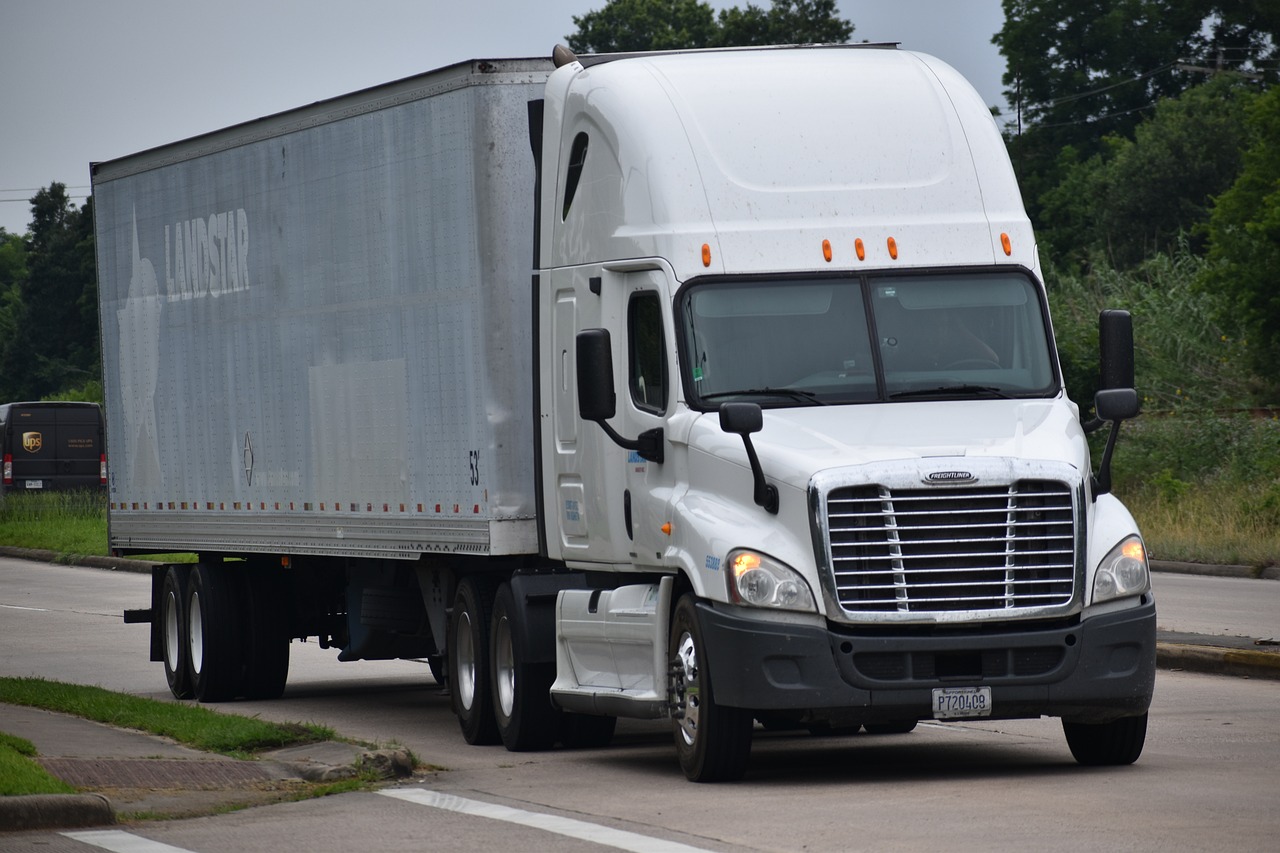
The world of DEF delete and EGR delete modifications has sparked intense debate among truck owners and diesel repair professionals. What started as targeted component removals has evolved into a bigger question: can we delete emissions systems entirely?
This is a matter of concern to anyone who works in the diesel repair and semi truck repair business. You’re seeing more owners balance the expense of keeping high-complexity emissions systems against the potential benefit—and risk—of eliminating them. The economic pinch is real, particularly for owner-operators who see repair tickets mount up from DPF cleanings, SCR replacements, and EGR valve failures.
This is not a technical question only—it’s financial, legal, and practical. Having both sides of this emissions debate argument enables you to make an informed choice for the future of your fleet.
Understanding Emissions Systems in Diesel Trucks
Modern semi truck emissions systems are complex networks of interconnected parts designed to meet strict environmental regulations. The three main systems work together to greatly reduce harmful pollutants:
Key Components:
EGR valve (Exhaust Gas Recirculation) – Returns exhaust gases into the combustion chamber to reduce combustion temperatures
DPF filter (Diesel Particulate Filter) – Traps and combusts soot particulates out of the exhaust stream
SCR system (Selective Catalytic Reduction) – Utilizes DEF (Diesel Exhaust Fluid) to lower NOx into harmless water and nitrogen
These emissions systems are directly targeting the two biggest diesel pollutants: NOx, which is commonly released by diesel engines through combustion and soot. The EGR system lowers NOx production by reducing peak combustion temperatures, and the DPF traps particulate matter that would otherwise escape through the exhaust.
Their synergy adds unmeasured complexity to today’s diesel engines. Several sensors keep track of exhaust temperature to fluid levels, and the computer inside the engine makes continuous adjustments for maximum emission compliance and performance. This high-tech strategy can help improve fuel economy in operation as designed, but it provides a huge number of potential failure points not found with pre-emissions diesels.
What are DEF Delete and EGR Delete?
DEF delete consists of the omission or removal of the Diesel Exhaust Fluid system, so that no longer does the urea-based liquid need to be utilized to disperse the toxic nitrogen oxides. EGR delete consists of the removal or omission of the Exhaust Gas Recirculation valve and cooler, which otherwise recirculates exhaust gases through the engine to decrease combustion temperatures.
Truck operators pursue these deletes primarily to escape mounting diesel repair costs. As discussed in the podcast transcript, EGR valves typically cost $800-$1,200 to replace, while related components add significant expense. The complexity of modern emissions systems creates multiple failure points, leading to frequent downtime and diagnostic challenges.
These modifications dramatically reduce maintenance frequency by eliminating components prone to failure. Operators report:
Cleaner running engines due to simplified intake systems
Reduced sensor failures and diagnostic complications
Lower operational costs from avoiding expensive DPF cleanings and SCR repairs
Decreased downtime for emissions-related repairs
The appeal becomes clear when considering that a single SCR system replacement can cost $5,000-$7,000, making emissions delete modifications financially attractive despite their controversial nature.
Can We Delete Emissions Entirely? The Legal and Practical Reality
The answer to whether we can completely remove emissions systems is clear: it’s illegal. According to federal regulations, all diesel trucks must keep their original emissions equipment for as long as they are in operation.
The Serious Consequences of Diesel Emissions Regulations
The rules regarding diesel emissions have significant financial implications. If operators are found to have removed or tampered with their emissions systems, they will face fines starting at $10,000. Depending on the severity and frequency of the violation, these penalties could be much higher.
But the risks associated with violating diesel emissions regulations go beyond just monetary fines:
- If you tamper with your emissions systems, any warranties on your vehicle will become void immediately.
- Many dealerships have a policy of refusing to service modified trucks, meaning you won’t be able to get repairs or maintenance done there.
- Independent repair shops may also decline to work on your vehicle due to liability concerns.
- In several states, weigh station inspections now include tests for emissions compliance.
- If you’re caught violating emissions regulations, you may be required to reinstall the original equipment, which can double your expenses.
The Broader Legal Issues of Emissions Tampering
The fines for tampering with emissions systems are just the start of your legal problems. Officers at scale houses are paying closer attention to trucks. If you’re pulled over, your vehicle may be towed to a dealership for restoration of its emissions system to its factory state. This means you’ll have to pay for both the initial work done to remove the system and the costly process of restoring everything to its original state.
Pros and Cons of Deleting Emissions Components vs Maintenance
The appeal of emissions deletes becomes clear when you look at the numbers. Cost savings from diesel repair represent the primary motivation, as operators face mounting expenses from EGR valves, DPF filters, and SCR components that can quickly drain your maintenance budget.
Fuel mileage improvement stands out as another compelling advantage. When your engine runs without the restrictions of emissions equipment, you’ll often see better fuel economy. The diesel mechanics in our video noted how engines operate more efficiently without the complexity of modern emissions systems fighting against natural diesel combustion.
A cleaner-running engine emerges from simplified intake systems. Without EGR recirculating exhaust gases back into your engine, you avoid the carbon buildup and contamination that can plague emissions-equipped trucks. This translates to:
- Reduced downtime for cleaning and maintenance
- Lower frequency of oil changes due to less contamination
- Extended engine longevity in many cases
The Serious Drawbacks You Can’t Ignore
The risks create significant challenges that extend beyond legal issues. Your manufacturer’s warranty becomes void immediately, leaving you exposed to major repair costs. Many diesel repair shops refuse to service trucks that have been deleted due to liability concerns, limiting your options when breakdowns occur.
Improper deletes create their expensive problems. Collapsed DPF filters from drilling, sensor failures, and backpressure issues can cost more than proper maintenance. You risk creating a “Pandora’s box” of problems that become difficult and expensive to diagnose.
Maintenance Challenges with Emissions Systems
Knowing the cost of emissions system diesel repair maintenance allows you to make educated decisions regarding the long-term running of your truck. Every component has differing maintenance schedules, leading to a complicated web of costs that can surprise inexperienced operators.
EGR Valves: Reliable and Controllable Expenses
EGR valves are the cheapest item on your emissions budget in terms of maintenance. They need to be replaced or serviced usually every two years at a price of between $800 and $1,200. Although not cheap, EGR valve maintenance is still predictable and relatively inexpensive compared to the remainder of the emissions system parts.
DPF Filters: Frequent Attention and Higher Costs
DPF filters demand more frequent attention and higher costs. You’ll need to schedule cleaning services approximately every 100,000 miles to maintain optimal performance. Professional cleaning services help extend filter life, but eventually replacement becomes necessary for $2,500 or more. The cleaning frequency depends heavily on your driving patterns—highway miles allow better regeneration cycles compared to stop-and-go city driving.
SCR Systems: The Most Expensive Emissions Component
SCR systems represent the most expensive emissions component to replace. These units typically reach end-of-life at 500,000 miles, and replacement will run $5,000 to $7,000. With SCR’s longer lifespan, you might have multiple DPF cleanings during the life of a single SCR.
Effects of Failure to Maintain Schedule
Failure to maintain the schedule has cascading effects. A clogged DPF generates backpressure that harms engine performance, while faulty sensors trigger derate conditions that limit your truck’s power and speed potential.
Effect on Longevity And Truck Life While Purchasing Trucks
Semi trucks have vastly different lifespans for emission- and non-emission motors. Pre-emission Detroit and Caterpillar engines can last 1.2 to 1.5 million miles, whereas newly emission-controlled motors typically last only 800,000-900,000 miles before requiring a total overhaul. The complexity of integrated emission controls creates multiple failure points that can trigger derates or complete breakdowns.
When evaluating trucks with deleted emissions, exercise extreme caution—especially with low-mileage units already modified. These vehicles present significant risks:
Hidden damage from improper deletion procedures
Collapsed DPF filters are causing backpressure issues
Voided warranties eliminate manufacturer protection
Resale challenges due to legal restrictions
Smart buyers should scan for codes and thoroughly investigate truck history before purchase. Many fleet trucks get deleted after 300,000-500,000 miles, leaving second owners to handle expensive emission repairs.
Legal compliance offers better long-term value through strategic optimization:
Aerodynamic upgrades, including low-resistance tires and improved transmissions
Regular maintenance schedules prevent costly emergency repairs
Performance tuning within legal parameters
Modern trucks achieve impressive fuel efficiency (some claim 9+ MPG!) when emission systems function properly. The key lies in proactive maintenance rather than system deletion, preserving both performance and legal standing while avoiding the substantial risks associated with modifications.
Choose Mac’s Diesel and Trailer Repair
The question of whether or not you can delete emissions hinges on making sound, well-informed decisions that balance short-term expense against long-term implications. While the expense of emissions device operation is an issue, federal compliance leaves your business free from high fines and legal issues.
Smart operators focus on:
- Proactive maintenance to prevent costly emergency repairs
- Regular system monitoring to catch issues early
- Professional diagnostics when problems arise
When you need expert guidance on emissions system maintenance or any diesel repair challenges, We at Mac’s Diesel and Trailer Repair provide professional diesel repair services in Lexington, KY, right at your location. Our experienced mobile mechanics understand the complexities of modern emissions systems and can help keep your fleet compliant and profitable.
Contact us at (859) 433-4062 for reliable on-site truck repair and maintenance services throughout the Lexington, Kentucky area.