
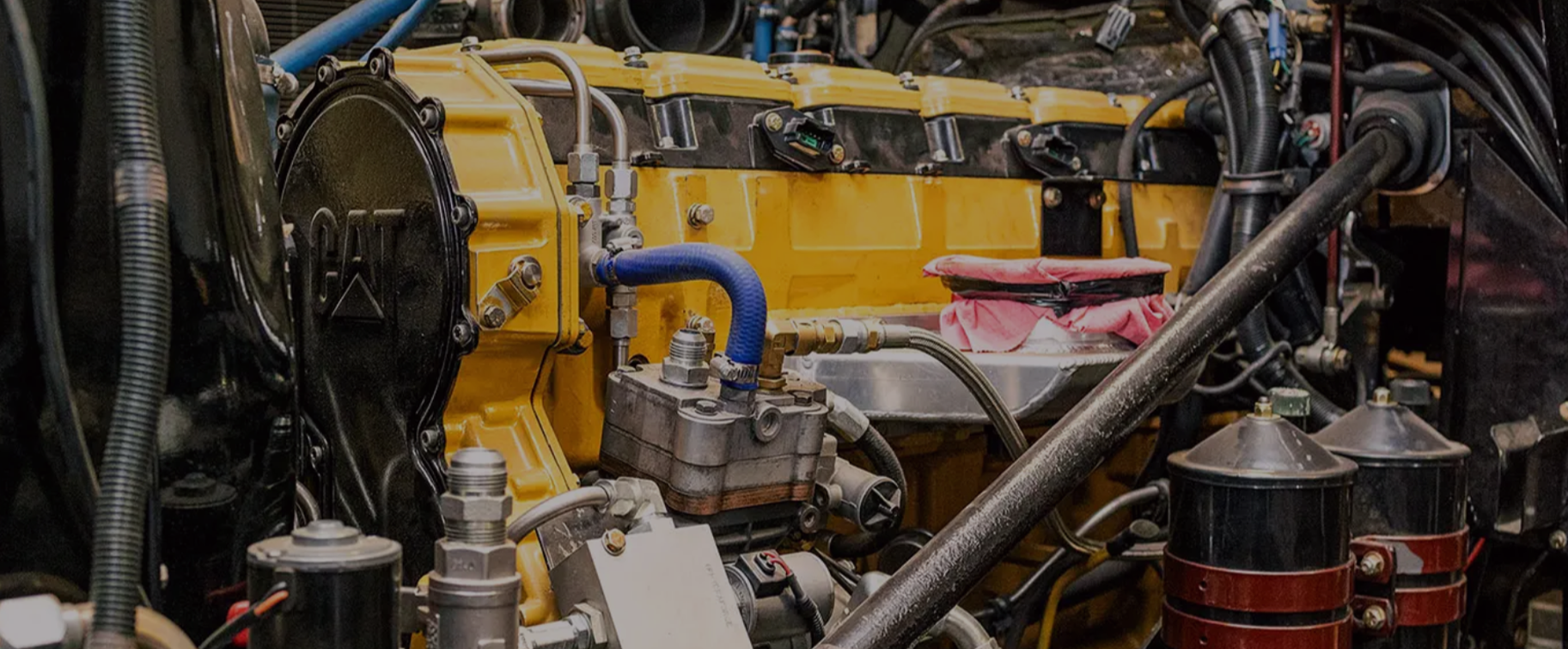
Heavy-duty trucks are the backbone of the transportation industry, responsible for moving goods across vast distances. These vehicles rely heavily on their electrical systems to function efficiently and safely. From starting the engine to powering various components and ensuring proper lighting, the electrical system plays a crucial role in the overall performance of a heavy-duty truck.
However, like any complex system, electrical components in trucks are prone to wear, tear, and occasional failures. When these issues arise, they can lead to significant downtime, increased maintenance costs, and potential safety hazards. Therefore, understanding how to troubleshoot common electrical system issues is essential for fleet managers, mechanics, and truck operators alike.
This comprehensive guide aims to provide a detailed overview of the most frequent electrical problems encountered in heavy-duty trucks, along with effective troubleshooting techniques. By following this guide, you’ll be better equipped to identify, diagnose, and resolve electrical issues, ultimately improving the reliability and longevity of your heavy-duty truck fleet.
2. Understanding the Electrical System
Before delving into specific troubleshooting techniques, it’s crucial to have a solid understanding of the electrical system in heavy-duty trucks. The system can be broken down into several key components:
- Batteries: These provide the initial power to start the engine and supply electricity when the engine is off.
- Alternator: Once the engine is running, the alternator takes over, generating electricity to power the truck’s systems and recharge the batteries.
- Starter Motor: This component uses power from the batteries to start the engine.
- Wiring and Connections: A network of wires and connectors distribute electricity throughout the truck.
- Fuses and Circuit Breakers: These protect the electrical system from overloads and short circuits.
- Lighting System: This includes headlights, taillights, turn signals, and interior lighting.
- Electronic Control Units (ECUs): These computerized modules control various systems in modern trucks.
- Sensors: Multiple sensors throughout the truck provide data to the ECUs for optimal performance.
Understanding how these components interact is crucial for effective troubleshooting. For instance, a problem that appears to be a battery issue might actually be caused by a faulty alternator failing to charge the battery properly.
3. Common Electrical Issues
Battery Problems
Battery issues are among the most common electrical problems in heavy-duty trucks. Some typical battery-related problems include:
- Dead Battery: This can be caused by leaving lights or other electrical components on when the engine is off, a faulty alternator, or simply an old battery that needs replacement.
- Corrosion: Battery terminals can accumulate corrosion over time, leading to poor connections and reduced electrical flow.
- Loose Connections: Vibrations during truck operation can cause battery connections to loosen, resulting in intermittent electrical issues.
- Overcharging or Undercharging: If the alternator is not functioning correctly, it may overcharge or undercharge the battery, leading to premature failure.
Troubleshooting Steps:
- Visually inspect the battery for signs of damage, corrosion, or loose connections.
- Clean any corrosion using a mixture of baking soda and water, then dry thoroughly.
- Ensure all connections are tight and secure.
- Use a multimeter to check the battery voltage. A fully charged battery should read around 12.6 volts when the engine is off.
- Perform a load test to assess the battery’s ability to hold a charge and deliver power.
- If the battery fails these tests, it may need to be replaced.
Alternator Failures
The alternator is crucial for keeping the battery charged and powering the truck’s electrical systems while the engine is running. Common alternator issues include:
- Worn Brushes: Over time, the brushes inside the alternator can wear down, reducing its ability to generate electricity.
- Failed Voltage Regulator: This can cause the alternator to produce too much or too little voltage.
- Damaged Bearings: This can lead to unusual noises and reduced alternator efficiency.
- Loose or Worn Belt: A loose or worn serpentine belt can prevent the alternator from spinning at the correct speed.
Troubleshooting Steps:
- Listen for unusual noises coming from the alternator while the engine is running.
- Check the serpentine belt for proper tension and signs of wear.
- Use a multimeter to test the alternator’s output. With the engine running, the voltage should be between 13.8 and 14.2 volts.
- Perform a full-field test to check if the alternator can produce its maximum output.
- If the alternator fails these tests, it may need to be rebuilt or replaced.
Starter Motor Issues
The starter motor is responsible for turning over the engine to start it. Common starter motor problems include:
- Worn Solenoid Contacts: This can prevent the starter from engaging properly.
- Damaged Pinion Gear: A worn or damaged gear can cause grinding noises during starting.
- Electrical Short: This can cause the starter to draw too much current, potentially damaging other components.
- Loose Connections: Poor connections can prevent the starter from receiving enough power to turn over the engine.
Troubleshooting Steps:
- Listen for clicking sounds when turning the key, which could indicate a faulty solenoid.
- Check for grinding noises during starting, which might suggest a damaged pinion gear.
- Ensure all connections to the starter are clean and tight.
- Perform a voltage drop test to check for excessive resistance in the starting circuit.
- If these tests indicate a problem, the starter may need to be repaired or replaced.
Wiring and Connection Problems
The extensive wiring in a heavy-duty truck can be a source of various electrical issues:
- Frayed or Damaged Wires: Exposure to heat, vibration, and environmental factors can damage wiring insulation.
- Loose Connections: Vibrations can cause connections to loosen over time, leading to intermittent electrical problems.
- Corrosion: Moisture and road salt can corrode connections, increasing resistance and reducing electrical flow.
- Short Circuits: Damaged insulation can lead to short circuits, potentially causing fires or damaging components.
Troubleshooting Steps:
- Visually inspect wiring harnesses for signs of damage, paying special attention to areas exposed to heat or moving parts.
- Check all connectors for signs of corrosion or looseness.
- Use a multimeter to test for continuity in suspected problem areas.
- Employ a circuit tracer to identify short circuits or opens in the wiring.
- Repair or replace any damaged wiring or connectors as necessary.
Lighting System Failures
Proper lighting is crucial for the safety of the truck and other road users. Common lighting issues include:
- Burnt-Out Bulbs: Regular vibration and usage can cause bulbs to burn out.
- Corroded Sockets: Moisture can lead to corrosion in light sockets, preventing proper electrical contact.
- Blown Fuses: A short circuit or power surge can blow fuses, cutting power to lighting circuits.
- Faulty Switches: Wear and tear on switches can lead to intermittent or complete lighting failures.
Troubleshooting Steps:
- Check all lights for proper operation, including headlights, taillights, turn signals, and marker lights.
- Inspect fuses related to lighting circuits and replace any that are blown.
- Test light switches for proper operation.
- Check bulb sockets for signs of corrosion and clean as necessary.
- Use a multimeter to test for proper voltage at light fixtures.
- Replace any faulty bulbs, switches, or wiring as needed.
ECU and Sensor Malfunctions
Modern heavy-duty trucks rely heavily on electronic control units (ECUs) and various sensors to optimize performance. Issues with these components can lead to a range of problems:
- Failed Sensors: Malfunctioning sensors can provide incorrect data to the ECU, leading to poor engine performance or false error codes.
- ECU Failures: While rare, ECUs can fail due to electrical surges, extreme temperatures, or manufacturing defects.
- Communication Errors: Problems with the CAN bus or other communication networks can prevent proper data exchange between systems.
- Software Issues: Outdated or corrupted software can cause erratic behavior in various truck systems.
Troubleshooting Steps:
- Use an OBD-II scanner to read any error codes stored in the ECU.
- Check sensor connections for signs of damage or corrosion.
- Use a multimeter or oscilloscope to test sensor outputs against manufacturer specifications.
- Verify proper voltage supply to sensors and ECUs.
- Check for software updates that may address known issues.
- In cases of persistent problems, consult with a specialist or the truck manufacturer for advanced diagnostics.
4. Diagnostic Tools and Techniques
Effective troubleshooting of electrical issues in heavy-duty trucks requires a combination of the right tools and proper techniques. Here are some essential tools and methods:
Diagnostic Tools:
- Multimeter: This versatile tool is essential for measuring voltage, current, and resistance in electrical circuits.
- OBD-II Scanner: For reading diagnostic trouble codes (DTCs) from the truck’s onboard computer systems.
- Battery Load Tester: To assess the condition and performance of the truck’s batteries.
- Circuit Tracer: Useful for identifying and tracing wires in complex electrical systems.
- Oscilloscope: For advanced diagnostics, particularly when dealing with sensor outputs and communication signals.
- Infrared Thermometer: To detect abnormal heat in electrical components, which can indicate problems.
- Insulation Resistance Tester: For checking the condition of wire insulation and detecting potential short circuits.
Diagnostic Techniques:
- Visual Inspection: Always start with a thorough visual inspection of the component or system in question. Look for signs of damage, corrosion, or loose connections.
- Voltage Drop Testing: This technique helps identify excessive resistance in circuits, which can cause components to malfunction.
- Pin-Point Testing: Use the truck’s wiring diagrams to test specific points in a circuit, helping to isolate the exact location of a problem.
- Parasitic Draw Test: To identify components that are drawing power when they shouldn’t be, potentially draining the battery.
- Signal Tracing: Using an oscilloscope to observe the actual signals in sensors and communication networks can reveal issues that simple voltage measurements might miss.
- Comparative Testing: When dealing with intermittent issues, compare readings from the problem circuit with those from a known good circuit.
- End-to-End Continuity Testing: To verify the integrity of wiring harnesses and detect any breaks in the circuits.
5. Preventive Maintenance
Preventing electrical issues is often easier and more cost-effective than repairing them. Here are some key preventive maintenance practices for heavy-duty truck electrical systems:
- Regular Inspections: Conduct visual inspections of all accessible electrical components during routine maintenance checks.
- Battery Maintenance: Keep batteries clean, properly secured, and at the correct fluid levels (for non-sealed batteries). Regularly test battery condition and replace them proactively based on age and performance.
- Connection Cleaning and Tightening: Periodically clean and tighten all electrical connections, especially those exposed to the elements.
- Alternator Belt Checks: Regularly inspect and adjust the tension of the alternator belt. Replace it at recommended intervals or if signs of wear are present.
- Lighting System Checks: Regularly test all lights and replace bulbs proactively, even if they haven’t failed yet.
- Wiring Harness Protection: Ensure all wiring harnesses are properly secured and protected from heat, abrasion, and moisture.
- Software Updates: Keep ECU software up to date to benefit from the latest improvements and bug fixes.
- Corrosion Prevention: Apply dielectric grease to electrical connections to prevent moisture ingress and corrosion.
- Training: Ensure drivers are trained to recognize early signs of electrical problems and report them promptly.
- Record Keeping: Maintain detailed records of all electrical system maintenance and repairs to identify recurring issues and predict potential failures.
6. Safety Considerations
Working with electrical systems in heavy-duty trucks involves potential hazards. Always prioritize safety by following these guidelines:
- Disconnect the Battery: Always disconnect the battery before working on the electrical system to prevent accidental shorts or electrocution.
- Use Proper Tools: Ensure all tools are in good condition and rated for the voltage levels present in truck electrical systems.
- Wear Protective Equipment: Use insulated gloves and safety glasses when working with batteries or exposed electrical components.
- Avoid Metal Jewelry: Remove rings, watches, and other metal jewelry that could cause accidental shorts.
- Work in a Dry Environment: Whenever possible, perform electrical work in a dry, well-lit area to reduce the risk of electrical shock.
- Follow Manufacturer Guidelines: Always consult and follow the truck manufacturer’s safety guidelines and procedures.
- Be Aware of High Voltage Systems: Some modern trucks may have high-voltage systems for hybrid powertrains or auxiliary equipment. These require special safety precautions.
- Fire Safety: Keep a suitable fire extinguisher nearby when working on electrical systems.
- Proper Disposal: Dispose of old batteries and electrical components according to local regulations to prevent environmental hazards.
7. Advanced Troubleshooting Techniques
For more complex electrical issues, advanced troubleshooting techniques may be necessary:
- Network Communication Analysis: Use specialized tools to analyze CAN bus and other network communications for intermittent faults or data corruption.
- Power Distribution Center (PDC) Testing: Systematically test the truck’s central power distribution system to identify issues with relays, fuses, or internal wiring.
- Intermittent Fault Diagnosis: Employ data loggers and long-term monitoring to capture intermittent issues that may not be present during initial testing.
- EMI/RFI Testing: Use specialized equipment to detect electromagnetic or radio frequency interference that may be affecting sensitive electronic components.
- Thermal Imaging: Utilize thermal cameras to identify hot spots in wiring or components that may indicate impending failures.
- Load Bank Testing: For alternator and charging system issues, use a load bank to simulate various electrical loads and assess system performance.
- System Simulation: In complex cases, use simulation tools to model the truck’s electrical system and predict the effects of different fault conditions.
8. Case Studies
To illustrate the practical application of the troubleshooting techniques discussed, let’s examine a few real-world case studies of electrical issues in heavy-duty trucks:
Case Study 1: Intermittent Starting Problem
Scenario: A fleet operator reported that one of their trucks was experiencing intermittent starting issues. Sometimes the truck would start normally, while other times it would crank but fail to start.
Troubleshooting Process:
During the initial inspection, no obvious issues were found with the battery or starter motor. The voltage drop testing on the starting circuit showed normal readings. A parasitic draw test was performed, revealing an unusually high current draw when the truck was off. Further investigation using a circuit tracer identified a faulty relay in the power distribution center that was not fully disengaging. This information will be crucial in addressing the issues with the starting circuit and ensuring the proper functioning of the truck.
Resolution: The faulty relay was replaced, resolving the intermittent starting issue. This case highlights the importance of thorough testing and the use of specialized diagnostic tools to identify non-obvious problems.
Case Study 2: Chronic Battery Drain
Scenario: A trucking company was experiencing frequent battery failures across their fleet, with batteries often found completely discharged after just a few days of inactivity.
Troubleshooting Process:
After conducting battery load testing, it was confirmed that the batteries were in good condition. Additionally, alternator output testing showed the proper charging voltage. A comprehensive parasitic draw test on multiple trucks revealed higher than normal current draw when the trucks were off. Further systematic isolation of circuits identified that the telematics system was not entering sleep mode properly. This comprehensive testing allowed for the identification of the issue and will help in addressing the problem efficiently.
Resolution: A software update for the telematics system resolved the issue, significantly reducing the parasitic draw. This case demonstrates the importance of considering all electrical systems, including aftermarket additions, when troubleshooting battery-related issues.
Case Study 3: Erratic Engine Performance
Scenario: A truck was brought in with complaints of erratic engine performance, including unexpected power loss and occasional stalling.
Troubleshooting Process:
A an OBD-II scanning was performed and found multiple, seemingly unrelated error codes. Upon visual inspection of the engine bay, signs of rodent damage to the wiring harnesses were discovered. Continuity testing of the damaged wiring revealed several broken and shorted wires. Further testing of the ECU and sensors showed that erratic signals were being sent due to the wiring damage. It’s clear that the rodent damage to the wiring harnesses is causing various issues in the vehicle’s electrical system.
Resolution: The damaged wiring harness was repaired, and additional protective measures were installed to prevent future rodent damage. This case illustrates how external factors can cause complex electrical issues and the importance of thorough visual inspections.
Case Study 4: Lighting System Failure
Scenario: A truck experienced a complete failure of its exterior lighting system during a night run, forcing the driver to pull over.
Troubleshooting Process:
After conducting initial checks, it was confirmed that all fuses associated with the lighting system were undamaged. However, voltage testing at different junctures in the lighting circuits indicated the absence of power reaching the lights. Subsequent testing of the lighting control module demonstrated a lack of output on any channels. Upon further diagnosis, it was revealed that there was a malfunction in the CAN bus communication linking the main ECU and the lighting control module, leading to the failure of the lighting system. This comprehensive process of inspection and testing enabled the identification of the root cause of the lighting system issue.
Resolution: A corrupted firmware in the lighting control module was identified as the root cause. Reflashing the module with updated firmware restored proper communication and resolved the lighting issue. This case highlights the increasing complexity of modern truck electrical systems and the importance of considering software-related issues in diagnostics.
9. Conclusion
Troubleshooting electrical system issues in heavy-duty trucks requires a combination of knowledge, experience, and the right tools. As we’ve seen through the various sections of this article, electrical problems can range from simple issues like corroded battery terminals to complex interactions between multiple electronic systems.
Key takeaways from this comprehensive guide include:
- Systematic Approach: Always approach troubleshooting methodically, starting with the basics and progressing to more complex diagnostics as needed.
- Proper Tools: Invest in quality diagnostic tools and keep them properly calibrated. The right tool can save hours of frustration and guesswork.
- Continuous Learning: Stay updated on the latest technologies and troubleshooting techniques. As trucks become more sophisticated, so must the skills of those who maintain them.
- Preventive Maintenance: Many electrical issues can be prevented or caught early through regular, thorough inspections and maintenance routines.
- Safety First: Always prioritize safety when working with electrical systems. The potential dangers of high-current systems should never be underestimated.
- Documentation: Keep detailed records of all troubleshooting steps, repairs, and maintenance. This information can be invaluable for identifying patterns and predicting future issues.
- Holistic Perspective: Remember that electrical issues can often be symptoms of problems in other systems. Always consider the truck as a whole when diagnosing issues.
- Manufacturer Resources: Utilize manufacturer-provided resources, including service manuals, wiring diagrams, and technical support hotlines when dealing with complex issues.
As technology continues to advance, electrical systems in heavy-duty trucks will only become more complex. However, by applying the principles and techniques outlined in this guide, technicians and fleet managers can effectively diagnose and resolve a wide range of electrical issues, ensuring the reliability and safety of their vehicles.
Remember, effective troubleshooting is as much an art as it is a science. It requires not only technical knowledge but also intuition developed through experience. Continual practice, learning, and adaptation to new technologies will be key to mastering the challenges of heavy-duty truck electrical systems in the years to come.