
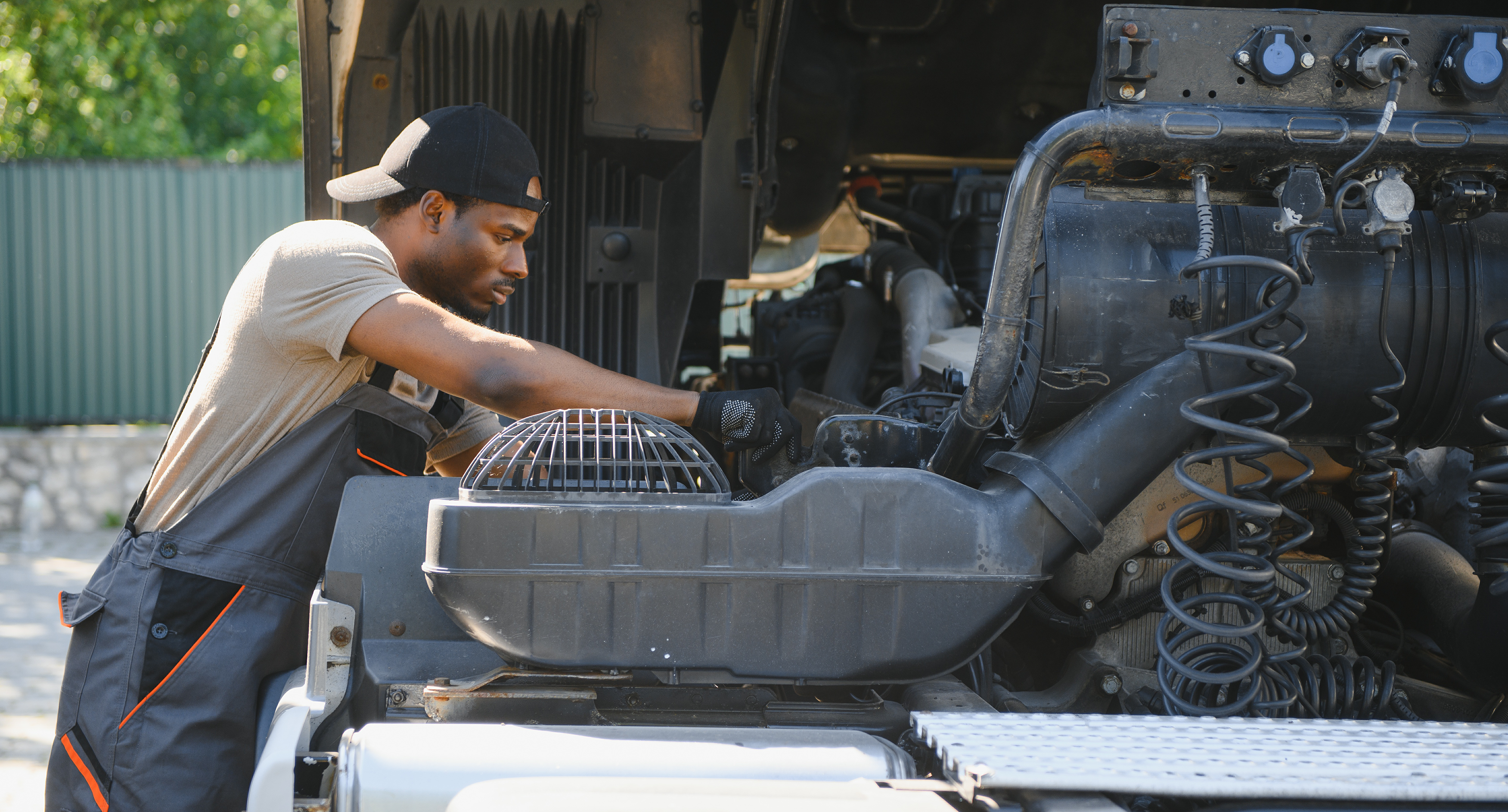
The semi-truck radiator, or the core of the cooling system, protects the engine when carrying loads for long distances. It’s like a temperature control specialist for your truck, working to thwart overheating problems throughout the entire day.
It doesn’t just keep the truck cool but is specifically designed to prevent overheating during long distances. It is like a professional that has been placed in temperature management working with your truck day and night. With this part running like it should, your truck will not have the potential for overheating problems damaging it.
Working as the Radiator
The radiator works as a heat exchanger, which is the most important cooling process required to run your semi truck successfully. The radiator processes the coolant, which is basically a mixture of water and antifreeze, and then gets it pumping through your engine, where the heat gets picked up from the excess heat produced by engine block and cylinder head during work operation. It travels to the radiator itself when the coolant becomes hot.
The coolant then sheds heat into the atmosphere as it flows through a network of those tiny tubes and fins inside the radiator. When cooling, the now cooled liquid goes back to the engine again and again while ensuring safe temperature limits preserving the truck against overheating.
Benefits of a Well-Functioning Radiator
A well-functioning radiator keeps the engine cool at all times, directly influencing:
- Engine longevity
- Performance efficiency
- Fuel consumption
- Operational costs
- Driver safety
It creates confidence when your radiator is most efficient, enabling you to tackle those hard routes while knowing that your engine is able to ward off the perils of overheating.
Key Components of Semi Truck Radiator
The semi-truck radiator is engineered with a number of vital components working together to ensure the engine operates at the desired temperature. These components include:
1. Radiator Core
This is the body of the radiator, housing several tubes and fins designed for large surface areas to enhance heat transfer through rapid cooling of hot coolant flowing through it.
2. Inlet and Outlet Tanks
On opposite ends of the radiator core, the inlet tank receives hot coolant from your engine while the outlet sends cooled fluid back to the engine. Flow continuity is maintained for cooling efficiency.
3. Radiator Hoses
The radiator connects directly to the engine. The upper hose brings hot coolant from the engine to the radiator, while the lower hose sends cooled fluid back to the engine. These hoses are seriously made to take a lot of beating in terms of heat and pressure.
This entire arrangement forms a synchronized system for maintaining the right temperature of the engine. Every one of these parts is carefully designed to withstand the extreme conditions of long-haul trucking: hot coolant arrives at the radiator through the inlet tank, flows through the tubes of the core while dissipation of heat through the fins to the outside air occurs, and the cooled fluid exits through the outlet tank and then returns to the engine via the lower hose to once again absorb heat.
Role of Coolant in Engine Temperature Regulation of Trucks
A lot of heat is produced in the engine of a truck that is running, and it is here that the coolant comes into play as far as the prevention of overheating of the engine is concerned. The coolant, which is almost always made up of water mixed with antifreeze, is regarded as a sort of thermostat for the engine.
Here’s how coolant protects your engine:
1. Heat Absorption Process
- Coolant moves through the engine block
- It absorbs heat from important parts
- This keeps the engine temperature steady
- It prevents metal parts from bending out of shape
2. Heat Release Mechanism
- Hot coolant goes into the radiator
- Heat moves through the radiator tubes
- The air around cools down the mixture
- The cooled liquid goes back to the engine
For your coolant to work its best, it’s important to have the right mixture ratio. A balanced mix helps:
- Stop freezing when it’s cold outside
- Resist boiling when it’s hot
- Protect against rust and corrosion
- Lubricate parts in the cooling system
Your coolant always goes through this cycle, absorbing heat and releasing it to keep the engine at an optimal temperature. With the continuous passage of the coolant through the engine and radiator, this arrangement becomes an efficient transformative mechanism for removing heat, which is necessary for the performance of your truck during long journeys.
Making Cooling Better Via a Radiator Fan
The radiator fan of your semi truck works to maintain the temperature of the engine by reducing the air over the radiator. By creating forced air that will flow into the radiator with cool air, the heat from the coolant system can be taken away.
Key Functions of Your Radiator Fan
That being said, the state of the well functioning radiator fan can promote an engine that runs reliably and efficiently under all driving conditions.
The same applies to very slow maneuvering: being stuck in traffic, idling by loading docks, creeping through construction zones, waiting for weigh stations, and more.
In these situations, the radiator fan kicks in to help maintain the cooling performance. The truck’s engine can easily heat up to extremely high temperatures without the fan working. It won’t draw air if the truck is not going very fast.
The radiator will work as intended no matter the speed of the truck or resultant conditions as long as the fan is functioning perfectly. It is this ability to cool reliably that protects your engine from stresses and possible damage.
Advantages of Having a Regularly Maintained Radiator in Semi-Truck
Having the radiator maintained regularly is beneficial not just in averting problems; it is an investment towards the truck’s future. A properly maintained radiator will contribute to profits directly through:
Cost-Effective Operations
Keeping your radiator well serviced is the only way to keep your operational costs low. Maintenance of your radiator will surely avoid more expensive engine reconstruction that is usually caused due to overheating. This preemptive measure minimizes unexpected failures and expensive downtimes that could mess up your schedule and financial status. It also warrants the longevity of crucial engine components, reducing your chances for emergency repairs and maximizing the return on your investment in your semi truck.
Enhanced Fuel Economy
Speed optimization of an engine critically depends on its temperature levels. An efficient radiator keeps the engine working within the most efficient temperature range for the best possible combustion of fuel and engine efficiency. Therefore, optimum temperature regulation also reduces fuel waste and directly contributes to reduced operating costs. This is likely to increase performance efficiency for your truck further into the distance, ensuring that each gallon goes further, which translates into effective costs of operation over time.
Safety Risk Prevention
A vehicle that’s not in perfect working condition causes severe safety hazards for the driver of that semi and for other road users as well. Most importantly, the dangers presented by the overheating of the engine during long hauls usually result in sudden breakdowns, many times at very dangerous and isolated places where help may not be easily accessible. The engine overheating could, in some of the worst situations, catch fire! All of these issues lead to the compromise of safety measures taken by drivers, hence the need to keep your radiator in perfect condition to safeguard your well-being and that of others on the road.
Performance Benefits
With proper maintenance, a radiator can maintain healthy temperature in the head of the engine and augment performance even under heavy loads besides providing stable pump flow for coolant to sustain the engine’s performance. Your truck achieves optimal performance with the proper functioning of the radiator system because this system handles heat transfer from the engine.
Practical Tips to Ensure Your Semi-Truck Radiator Stays in Top Shape
Ensuring your semi truck radiator is in prime condition doesn’t have to be too complicated. Here are essential maintenance practices you can implement:
1. Regular Hose Inspection
- Check radiator hoses for signs of wear, cracks, or soft spots
- Look for bulging or collapsed sections
- Inspect clamps for rust or looseness
- Replace hoses showing any signs of deterioration
2. Coolant Level Monitoring
- Check coolant levels when the engine is cold
- Maintain proper coolant-to-water ratio
- Look for changes in coolant color or consistency
- Clean any debris or buildup around the coolant reservoir
3. Fan Functionality Tests
- Listen for unusual noises during fan operation
- Watch for irregular fan movement
- Test fan engagement at different engine temperatures
- Ensure fan blades are free from damage or debris
To maintain radiator optimization and safety from overheating risks, you must include these checks in your regular maintenance schedule. They are most likely to avoid annoying little checks from becoming minor to medium-sized headaches.
It is important to keep all check records, which track patterns and possible recurring issues that can be highlights of professional attention. Good maintenance of a radiator system means transforming heat more efficiently and better-performing engines for those long hauls.
Do I Need Professional Services?
The truck’s radiator is most critical to the engine and, therefore, most helpful for optimum performance during your long haul. Keeping the cooling system well-maintained in your truck would have a strong impact on its lifespan and reliability on the road. Don’t wait for an overheating problem to start bothering you-maintain the health of your radiator!
There are a lot of helpful things when it comes to professional semi-truck maintenance. They’ll make everything easier for you if, by some unfortunate event, repairs do end up being needed. Regular attention to your radiator also results in maximizing fuel efficiency so that your truck can run smoothly and economically over those long distances.
And, of course, the fact that proper maintenance will reduce the risks of sudden breakdowns or engine failure due to overheating will promote safer driving conditions for the driver. In the end, such practices contribute to a longer life for the engine while ensuring performance and reliability over miles.
Choose Mac’s Diesel and Trailer Repair
At Mac’s Diesel and Trailer Repair, our experienced diesel mechanics provide complete radiator services to semi-trucks. We provide truck repair and maintenance services onsite in Lexington, Kentucky, and nearby areas.
Tired of thinking about how best to maintain your truck’s cooling system? Schedule an appointment with us today. We’ll see to it that your engine runs cool and that your semi truck performs at its best every mile you drive.
Mac’s Diesel and Trailer Repair provides our clients with a first-rate service for all their radiator needs for semi trucks, performed by our highly-skilled diesel mechanics. We’re offering onsite repair and maintenance services for trucks in Lexington, Kentucky, and its surrounding areas.
Ready to give your truck’s cooling system the attention it needs? Give us a call today at (859) 433-4062 and make an appointment with our talented technicians today. We’ll ensure your engine runs cool for mile after mile of high performance for your semi truck.