
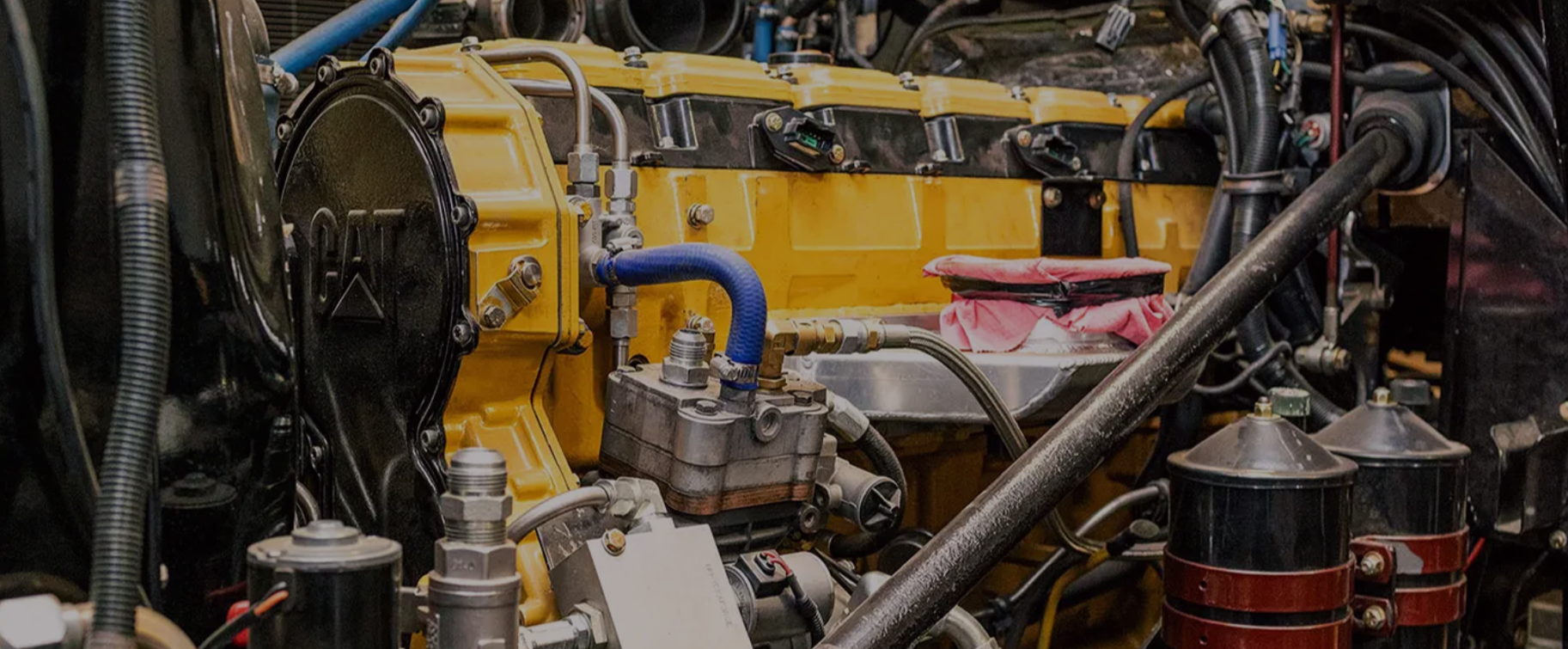
The cooling system on your truck is crucial in keeping your engine at proper temperatures. If your fuel gets commingled with your coolant, it is an emergency and must be addressed immediately.
Consider coolant contamination as a silent engine health threat. Since oil and water do not mix in the same way, fuel and your cooling system are not buddies. When these liquids get mixed, they form a deadly cocktail that causes engine overheating, decreased cooling performance, early wear and tear on components, and even engine failure!
The price of neglecting grime in the coolant can be costly. A minor contamination problem can swell into huge engine problems, leaving you stranded on the side of the road and in the repair shop for costly repairs.
Here at Mac’s Diesel and Trailer Repair, we’ve experienced firsthand the effect that coolant contamination can have on trucks of every size. Let’s take a look at what you should know about this pervasive but serious problem and how to safeguard your investment.
Understanding Coolant Contamination
Your truck’s coolant system is designed to be a closed circuit, but several factors can lead to fuel contamination. A failed fuel cooler ranks as the primary culprit behind fuel mixing with coolant. This critical component helps regulate fuel temperature, and when it fails, fuel can seep into your cooling system.
Common Entry Points for Fuel Contamination:
Fuel contamination generally occurs due to some cause, i.e., fuel cooler damage or cracking, worn injector cups, seal and gasket deterioration, cylinder head cracking, and failed EGR coolers.
Injector cups are also important in stopping cross-contamination. These little parts seal between your fuel system and coolant passages. When they wear out or get damaged, they provide a direct route for fuel to travel into your cooling system.
External Leaks vs Internal Failures
Leaks outside will be obvious as visible drips or puddles, but failures inside are usually not noticed until they have caused widespread damage. Furthermore, pressure differences among systems tend to speed up the process of contamination.
Correct identification of the contamination source is key to your truck’s well-being. Contaminated fuel in the coolant, which is not treated, yields overheating engines, ineffective cooling system, heightened component wear, engine seizing, and costly repair or replacement.
Regular system checks detect these issues before they turn into serious problems. An experienced diesel mechanic can spot early warning signs and prevent expensive damage to your truck’s vital systems.
Signs and Symptoms of Coolant Contamination
Your truck will send clear signals when fuel contaminates the coolant system. Here’s what you need to watch for:
Immediate Warning Signs
Look for signs that appear right away, including the check engine light blinking, the engine overheating or running hot, a sweet or fuel odor in the engine area, the formation of white or gray exhaust smoke, and any loss of coolant without a visible reason.
Visual Indicators
If you notice the check engine light illuminated, the engine very hot or overheated, sweet, fuel-like odor from the engine compartment, white or gray exhaust smoke, or sudden coolant level drop, these could be signs of potential engine issues.
Performance Red Flags
This results in contamination of your truck’s coolant by mixing fuel with the coolant, which may cause severe damage to the health of your engine. It is usually due to a faulty fuel cooler that can cause leakage of fuel into the cooling system and overheating, reduced cooling capacity, and damage to the engine. The causes are damaged fuel coolers, worn-out injector cups, and cracked cylinder heads.
Contamination warning signs are coolant color change, odor, and poor performance, such as rough idle or insufficient power. Daily checks by an experienced diesel mechanic are vital to catch any issue early before costly repairs due to the possibility that contaminated coolant may destroy large components like cylinder heads, head gaskets, and water pumps.
Prompt repair and diagnosis of the cause of contamination are essential to keeping your truck running well and avoiding costly engine failure.
These symptoms can develop very quickly, causing severe damage to your engine’s vital components. A contaminated cooling system can’t regulate engine temperature correctly, causing:
- Warped cylinder heads
- Blown head gaskets
- Cracked engine blocks
- Failed water pumps
- Damaged radiator cores
Having fuel in your coolant is a ruinous chain reaction – the coolant no longer transfers heat, causing engine wear to increase and the system to fail. Your truck’s performance will get worse and worse until the source of the contamination is pinpointed and corrected.
Diagnosing the Problem and Key Components to Check
A correct diagnosis begins with an examination of your truck’s cooling system. This is what our diesel technicians check for:
Initial Assessment Steps:
In order to conduct the first appraisal, start by examining coolant samples for fuel contamination with the aid of specialized instruments. Next, measure the fuel pressure throughout the entire system. Checking the fuel separation within the coolant reservoir and checking the engine oil for coolant contamination are also beneficial.
Key Components for Inspection:
- Fuel cooler assembly
- Injector cups and seals
- Head gasket integrity
- Cylinder heads for cracks
- Cooling system pressure
Your truck’s fuel cooler is a major part of its cooling system. This unit controls fuel temperature by heat transfer with the coolant. When a fuel cooler breaks down, it provides direct pathways for fuel to combine with coolant.
Your truck has the knowledge and equipment to correctly diagnose its fuel cooler system. Our experts use advanced diagnostic tools to determine the exact site of contamination to save you time and prevent premature replacement of parts.
Careful examination of the surrounding parts assists in determining if an isolated faulty component causes the contamination or reveals more systemic problems.
This knowledge guides our repair strategy and helps prevent future coolant contamination problems.
Repair Options for Coolant Contamination and Replacement Parts Considerations
When fuel contamination is detected in your truck’s coolant system, you have several repair solutions to consider. Let’s explore your options:
1. Fuel Cooler Deletion
This option involves removing the fuel cooler from the system entirely. Here are the pros and cons:
- Pros: Removes the potential failure point completely
- Reduces system complexity
- Works best in moderate climates
- Cons: May affect warranty coverage
- Could impact fuel efficiency in extreme conditions
2. Two-Filter System Upgrade
With this upgrade, an additional filter is added to the system for extra protection against contamination. Here are the pros and cons:
- Pros: Provides additional protection against contamination
- Maintains factory cooling efficiency
- Easier maintenance access
- Cons: Higher initial installation cost
- Requires regular filter changes
3. Complete System Replacement
This option involves replacing all potentially damaged components in the coolant system. Here are the pros and cons:
- Pros: Addresses all potentially damaged components
- Restores system to like-new condition
- Includes fresh coolant and new hoses
- Cons: Most expensive option
- Longest repair time
Analyze coolant samples for any signs of fuel using specialized diagnostic equipment, monitor fuel pressure readings throughout the system, inspect the coolant reservoir for any evidence of fuel separation, and check the engine oil for potential contamination from coolant.
Your truck’s age, model, and operating conditions play a crucial role in selecting the best repair approach. Heavy-duty trucks operating in challenging conditions might benefit from the added protection of a two-filter system, while older vehicles could be ideal candidates for fuel cooler deletion.
Remember to inspect all cooling system components during repairs – addressing one issue while ignoring deteriorating parts can lead to future failures.
Preventative Measures to Avoid Future Contamination
Keep your truck’s coolant system in top shape with these essential maintenance steps:
Weekly Coolant Checks
- Inspect coolant color and consistency
- Look for signs of fuel contamination
- Check coolant levels when the engine is cold
Professional Inspections
- Schedule regular coolant system pressure tests
- Have fuel cooler components examined for wear
- Get cooling lines inspected for brittleness or damage
System Care
- Use manufacturer-recommended coolant types
- Replace coolant at specified intervals
- Keep detailed maintenance records
- Clean radiator fins and remove debris
These maintenance services enable you to catch potential problems before they turn into a costly repair job. Your truck’s cooling system is working hard – show it the respect it deserves with regular maintenance checks and timely repairs.
Choose Mac’s Diesel and Trailer Repair
Fuel contamination of your truck’s coolant system is a situation that calls for swift response and safe handling. We recognize at Mac’s Diesel and Trailer Repair just how complex coolant contamination problems are and how they affect your truck.
Our skilled diesel mechanics provide high-quality service at your doorstep. We offer:
- Comprehensive diagnostic services
- Expert repair solutions
- Preventive maintenance programs
- Emergency roadside assistance
Prevent coolant contamination problems from becoming an expensive repair or engine devastation. Act now and safeguard your investment and the reliability of your truck.
Ready to address your coolant contamination concerns?
Contact Mac’s Diesel and Trailer Repair at (859) 433-4062 to schedule an appointment. Our mobile mechanics serve Lexington, Kentucky, and surrounding areas, bringing professional truck repair services directly to you.
Let us help you maintain your truck’s cooling system and keep your business moving forward. Call us today – your truck’s performance is our priority.