
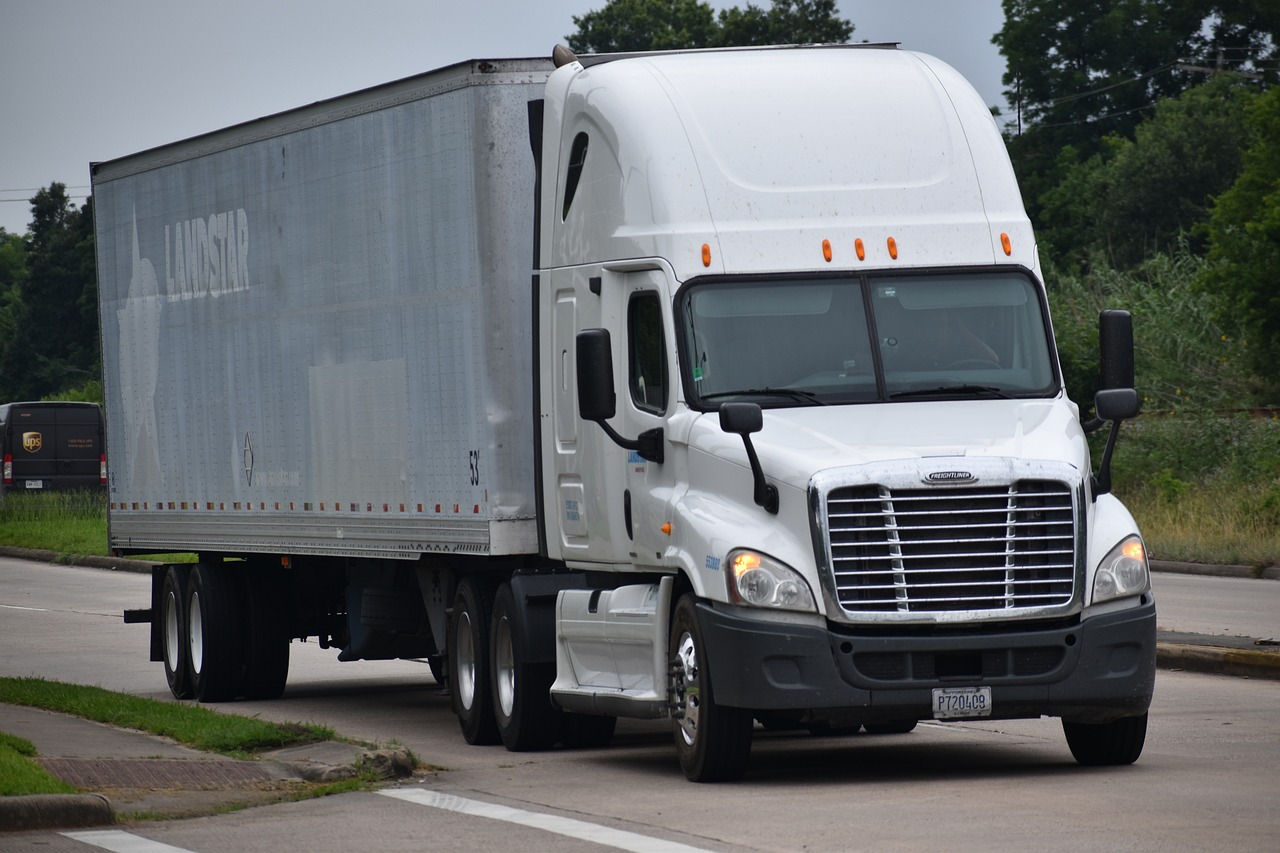
Maintaining the health and performance of a heavy-duty truck’s transmission is crucial for ensuring efficient and reliable operation. The transmission is a complex system responsible for transferring power from the engine to the wheels, and any issues with it can lead to significant problems for the entire vehicle. In this article, we will explore three common indicators that can signal the presence of transmission problems in heavy-duty trucks.
1. Unusual Noises
One of the most obvious signs of a transmission issue is the presence of unusual noises coming from the vehicle. These noises can take various forms, and it’s essential to pay attention to them and address them promptly.
Whining or Whirring Sounds
A whining or whirring sound from the transmission can indicate a problem with the gear bearings or the transmission fluid. As the gears wear down or the fluid degrades, it can cause these high-pitched noises to occur. This type of sound may be more noticeable during acceleration or when the truck is under load.
Grinding or Clunking Noises
Grinding or clunking noises from the transmission can be a sign of worn-out or damaged gears. This type of sound is often associated with difficulties in shifting gears or the truck “slipping” between gears. It can also indicate issues with the synchronizers or the clutch components within the transmission.
Humming or Vibrating Sounds
A humming or vibrating sound from the transmission can be a sign of a problem with the transmission bearings or the output shaft. This type of noise may be more pronounced at certain speeds or under specific driving conditions, such as when the truck is heavily loaded or climbing a hill.
It’s important to note that the specific type and location of the noise can provide valuable clues about the underlying issue. Paying close attention to these sounds and reporting them to a qualified technician can help in the accurate diagnosis and timely repair of the problem.
2. Transmission Fluid Leaks
Another common indicator of transmission problems in heavy-duty trucks is the presence of fluid leaks. Transmission fluid is essential for lubrication, cooling, and the proper functioning of the transmission components. Any leaks can lead to a lack of fluid, which can result in increased wear, overheating, and ultimately, transmission failure.
Fluid Stains on the Ground
One of the most obvious signs of a transmission fluid leak is the presence of stains or puddles on the ground under the vehicle. These stains can range in color from reddish-brown to light brown, depending on the type of transmission fluid used.
It’s important to note that not all fluid leaks are immediately visible. Some leaks may be slow or intermittent, making them more difficult to detect. In these cases, the fluid may be dripping onto the exhaust system or other hot components, causing a burning or acrid smell.
Decreased Fluid Level
Another indicator of a transmission fluid leak is a consistently low fluid level. Heavy-duty truck operators should regularly check the transmission fluid level and top it up as needed. If the fluid level is consistently low, even after refilling, it may be a sign of a leak that needs to be addressed.
Discolored or Contaminated Fluid
In addition to leaks, it’s also important to monitor the condition of the transmission fluid itself. Over time, the fluid can become discolored, indicating thermal breakdown or contamination. Discolored or contaminated fluid can lead to accelerated wear on the transmission components and should be replaced as part of the regular maintenance schedule.
Addressing transmission fluid leaks and maintaining the proper fluid level and condition is crucial for the longevity and performance of the transmission. Ignoring these issues can lead to more severe problems, such as gear failures, clutch issues, or even complete transmission failure.
3. Transmission Performance Issues
The third common indicator of transmission problems in heavy-duty trucks is the presence of performance issues. These issues can manifest in various ways, ranging from difficulties in shifting gears to the transmission slipping or not engaging properly.
Difficulty Shifting Gears
One of the most noticeable signs of a transmission problem is when the driver experiences difficulty shifting gears. This can include:
- Delayed or sluggish gear engagement
- The need for excessive force to move the gear shift
- Grinding or crunching noises during gear changes
- The gear shift getting stuck in a particular position
These issues can be caused by a variety of problems, such as worn synchronizers, incorrect fluid levels, or issues with the shift linkage or shifter mechanism.
Transmission Slippage
Another common performance issue is transmission slippage, where the transmission appears to be “slipping” between gears or not providing the expected level of power transfer to the wheels. This can manifest as:
- Sudden or unexpected changes in engine RPM without a corresponding change in vehicle speed
- A feeling of the truck “surging” or “hunting” during acceleration
- Decreased fuel efficiency or a lack of power when under load
Transmission slippage can be caused by issues with the clutch, the torque converter, or the internal clutch plates and bands within the transmission.
Delayed or Erratic Engagement
In some cases, the transmission may not engage properly, leading to delayed or erratic engagement of the gears. This can result in the truck taking longer to respond to throttle inputs or the transmission “hunting” between gears, unable to find the appropriate gear for the current driving conditions.
Delayed or erratic engagement can be caused by problems with the transmission control system, such as issues with the electronic control module (ECM) or the sensors that provide feedback to the ECM.
Addressing transmission performance issues is crucial for maintaining the overall health and efficiency of the heavy-duty truck. Ignoring these problems can lead to further damage to the transmission and other drivetrain components, resulting in costly repairs and potentially dangerous driving conditions.
Diagnosing and Addressing Transmission Problems
When a heavy-duty truck operator notices any of the above indicators of transmission problems, it’s essential to have the issue diagnosed and addressed as soon as possible. Delaying maintenance or repairs can often lead to more severe and costly problems down the line.
Diagnostic Procedures
Diagnosing transmission problems in heavy-duty trucks typically involves a combination of visual inspections, fluid analysis, and specialized diagnostic tools. A qualified technician will:
- Perform a thorough visual inspection of the transmission and related components, looking for signs of leaks, wear, or damage.
- Analyze the transmission fluid, checking for proper level, contamination, and signs of thermal breakdown.
- Use diagnostic tools, such as scan tools and pressure testing equipment, to evaluate the transmission’s electrical and hydraulic systems, identify any fault codes, and pinpoint the root cause of the problem.
By following a systematic diagnostic process, the technician can accurately identify the underlying issue and develop an appropriate repair plan.
Repair and Maintenance Strategies
Once the transmission problem has been identified, the technician can recommend the necessary repairs or maintenance actions. This may include:
- Replacing worn or damaged components, such as gears, bearings, or synchronizers.
- Flushing and replacing the transmission fluid, particularly if it is contaminated or has exceeded its recommended service life.
- Addressing any issues with the transmission control system, such as faulty sensors or wiring.
- Performing regular maintenance, such as fluid changes and inspections, to prevent future problems and extend the transmission’s lifespan.
In some cases, the transmission may need to be removed and overhauled or rebuilt if the damage is extensive. This process involves disassembling the transmission, inspecting all components, and replacing any worn or damaged parts before reassembling and testing the unit.
Importance of Preventive Maintenance
Preventing transmission problems in heavy-duty trucks is crucial for maintaining the vehicle’s overall performance, efficiency, and longevity. Regularly scheduled maintenance, such as fluid changes and inspections, can help identify issues before they become more severe and costly to repair.
Heavy-duty truck operators should follow the manufacturer’s recommended maintenance schedule, which typically includes:
- Checking the transmission fluid level and condition at regular intervals (e.g., every 50,000 miles or 6 months)
- Changing the transmission fluid and filter at the recommended service intervals (e.g., every 100,000 miles or 12 months)
- Inspecting the transmission and related components for signs of wear, damage, or leaks during routine maintenance
- Addressing any minor issues or concerns promptly to prevent them from escalating into more significant problems
By proactively maintaining the transmission, heavy-duty truck operators can:
- Extend the useful life of the transmission and the overall vehicle
- Improve fuel efficiency and reduce operating costs
- Minimize the risk of unexpected breakdowns or costly repairs
- Enhance the safety and reliability of the truck for both the driver and the cargo

Recognizing and addressing transmission problems in heavy-duty trucks is crucial for maintaining the performance, efficiency, and longevity of these vital commercial vehicles. By being aware of the three common indicators – unusual noises, transmission fluid leaks, and transmission performance issues – truck operators can stay vigilant and take proactive steps to ensure the health of their vehicle’s transmission.
Regular maintenance, prompt diagnosis, and timely repairs are essential for preventing more severe and costly problems down the line. By taking a proactive approach to transmission care, heavy-duty truck operators can optimize their vehicles’ performance, reduce operating costs, and enhance the overall reliability and safety of their fleet.
Choose Mac’s Diesel and Trailer Repair
Call Mac’s Diesel and Trailer Repair Today! Keeping your truck in the best conditions is a way to assure you of superior performance and safety when towing. When professional services are sought for issues related to transmission, it will mean your truck is guaranteed to function optimally, handle better, and keep you safe on the road.
From heavy-duty applications, transmission repairs to multi-axle trailer alignment, our skill sets run deep in making sure a trailer is appropriately aligned to best support its intended application. Call them now at (859) 433-4062!