
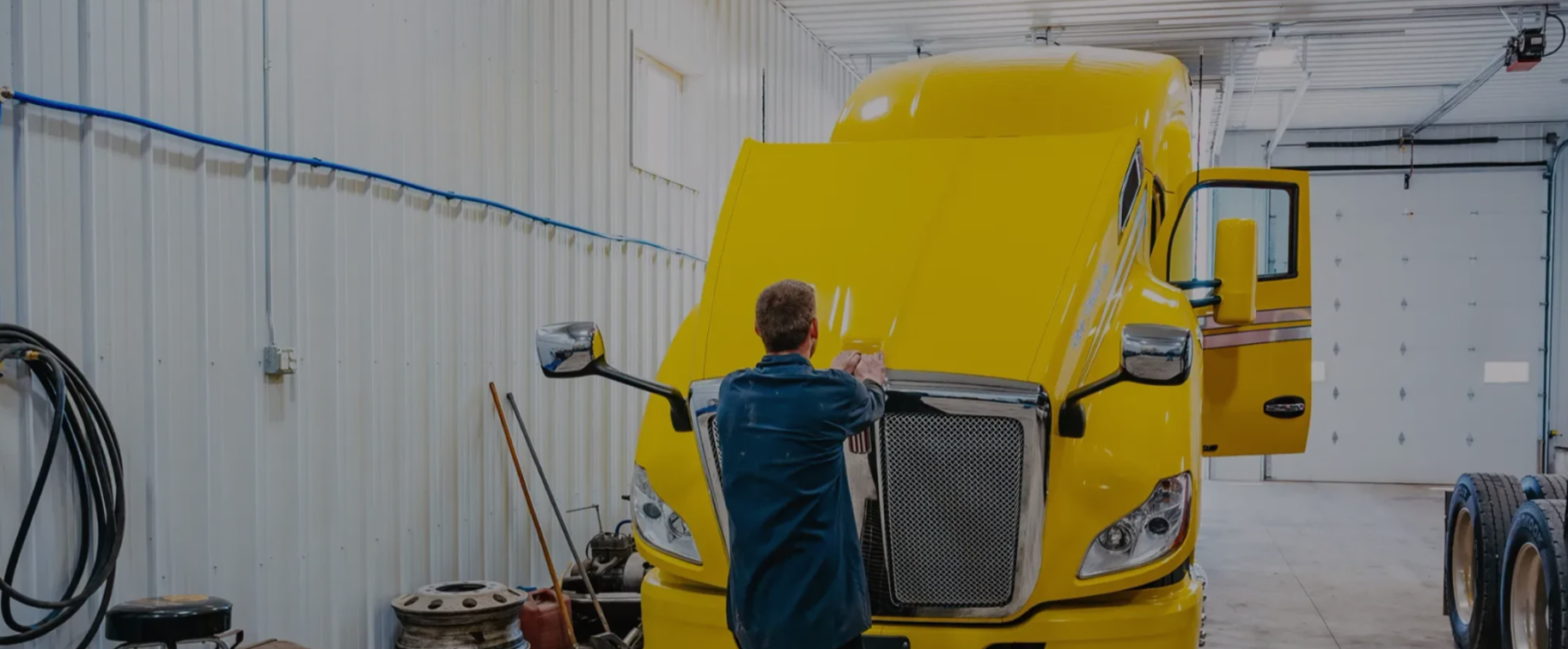
The differences between American and European trucks have nothing to do with design alone. It digs deeper into a bunch of reasons, including regulations, performance, and even the type of road. The trucking industry is huge and plays a core part in the very economies of America and Europe. Understanding the differences between American semi-trucks and European semi-trucks is important not only to any avid trucking enthusiast but also to any person working within the industry.
This article will explore the following:
- Major differences in design and size shaping trucks for each region
- How the performance and specification of the engine are changed to suit particular requirements
- The different transmission systems and their impact on driving comfort
- How the different braking systems are fitted and their relation to the safety issue
- The comfort and living quarters comparison for each truck type
The great difference in design and size between American and European semi-trucks can be seen as soon as you look at them, but what really are they?
American Trucks: Built for the Open Road
First off, American trucks are huge! The Peterbilt 579 and Freightliner Cascadia, for example, are designed to make long hauls across wide-open areas. These behemoths can reach 70 feet in length from nose to tail when coupled with their trailers, made to travel the vast highways of the United States. The design focuses on power and space, with setups allowing a total weight of up to 80,000 pounds.
European Trucks: Adapting to Tight Spaces
The opposite is European trucks, like the Scania R-Series or Volvo FH. They utilize what’s called a cab-over design, which is strictly a functional requirement due to the narrower, more congested roads of Europe and their strict laws. Most countries within the EU have a maximum allowable length of truck and trailer combination to a mere 54 feet, which is considerably shorter than those in the U.S. Even though some countries, like Finland, allow for longer setups, European trucks remain compact to adhere to turning radius and weight distribution laws.
This difference in design shows how each region has its challenges and priorities, which in turn shape their trucking industries.
Engine Performance and Specifications
Both American and European semi-truck models possess powerful diesel engines that have become synonymous, for the most part, with inline-six turbodiesels due to their reliability and efficiency.
Engine Performance in the U.S.
In the United States, two engines stand out: Cummins X15 and Detroit DD16. The Cummins X15 delivers an impressive 605 horsepower from a 14.9-liter engine, while the Detroit DD16 matches this with 600 horsepower from a slightly larger 15.6-liter engine.
Engine Performance in Europe
On the European side, Volvo’s D13 and Scania’s V8 turbodiesel are most prominent. The Volvo D13 ranges from 420 to 540 horsepower, comparable to American standards but leaning heavily towards meeting the stringent emission criteria. Scania’s V8 is impressive because it yields 770 horsepower from a 16.4-liter engine, really showing off the engineering prowess of Europeans in getting as much power as possible out of a strictly regulated engine.
Emissions Standards and Fuel Options
One of the hot topics in the trucking industry today involves emissions standards and fuel alternatives, such as HVO fuel, standing for Hydro-treated Vegetable Oil. Europe is leading the way with the most stringent emission regulations and is pushing HVO as a strong alternative to lower carbon footprints without sacrificing power; this makes it attractive to green haulers. This focus on sustainable fuels is gradually influencing trends across the Atlantic as well. The ongoing balance of power, efficiency, and environmental responsibility continues to shape the future of trucking engines worldwide.
Transmission Systems
Semi-truck transmission systems have seen a convergence of high-level technology from American and European designs to make driving easier and more comfortable. The most conspicuous developments would have to be the increasing predominance of automatic transmissions.
Key Differences in Gearboxes
American Trucks
American trucks, such as those with Eaton Fuller gearboxes, typically have 10-18 speeds. These transmissions have been designed to be used in long hauls where shifting needs to be smooth and efficient. Most manufacturers, such as Peterbilt and Kenworth, favor systems like these, which allow a driver to operate their vehicles with ease on an extended basis.
European Trucks
European brands, such as Mercedes, come fitted with PowerShift transmission with 12 or 16 speeds. The synchromesh gearbox ensures that operations are smooth and seamless, be it for tight city streets or open highways. The European models, such as the Scania OptiCruise, add to the sophistication with features that enhance maneuverability.
Driving Experience
Both regions appreciate that the transmission systems make the vehicle more fuel-efficient and less stressful for the driver. New-generation trucks have automated gearboxes, which help optimize fuel consumption and make driving less strenuous. Be it Eaton Fuller’s efficient design or the precision of European PowerShift, these systems hold immense significance in shaping the trucking experience on both sides of the Atlantic.
Braking Systems
Braking systems are an integral part of any semi-truck, providing safety and control on the road. In American trucks, the Jake Brake—short for Jacobson engine brake—is a popular choice. This system is a type of compression release brake that modifies the engine exhaust valves to turn the engine into a massive air compressor. The result? It is very effective in handling heavy weights on steep descents as it absorbs power and slows down the truck without the use of wheel brakes.
In European trucks, retarders are mostly used to provide smooth deceleration.
Two types of retarders are:
- Oil Retarders: Develop viscous drag forcing oil via the system
- Magnetic Retarders: These generate a magnetic field that slows down rotors without touching them, hence giving fast response times
Both systems are designed to take some of the wear off the traditional brakes by slowing the vehicle without putting direct pressure on the wheels. While Jake Brakes have enjoyed simplicity and efficiency in America, European retarders focus on quieter and more integrated approaches to braking technology, contributing to both safety and performance during transport.
Comfort and Space to Live
When it comes to comfort and living space, American semi-trucks surely stand apart with their roomy sleeper cabs. They were meant for long drives, allowing drivers a comfort level just like carrying an apartment with you inside a truck. You’ll have amenities like full-sized beds, mini-fridges, microwaves, and entertainment such as big LED TVs. With these, you will hardly need anything else while on your longest trek out there on the road.
By contrast, European cab-over designs are more compact because of more rigid road regulations and narrow streets. The largest cabs in Europe reach only about 98 inches with limited interior features. Living quarters are more confined: smaller bedding behind the steering compartment, less storage, and so on.
Driving regulations also play a huge role in how drivers experience their time inside these cabs. While European truckers have to deal with regulations that limit them to 9 hours of driving per day, with mandatory rest periods in between, increasing the amount of time spent within these compact spaces, American drivers enjoy somewhat more flexible schedules that allow them to drive for up to 11 hours after a required rest period. Design and regulatory differences underpin different approaches to driver comfort across the continents, reflecting their different needs and practices.
Choose Mac’s Diesel and Trailer Repair
The choice between an American or European semi-truck ultimately depends on individual needs and preferences. Whether it is the spacious comfort of American sleeper cabs or the maneuverability of European cab-overs, each design offers distinct advantages tailored to its specific operating environment.
For those requiring diesel repair or semi-truck maintenance, we at Mac’s Diesel and Trailer Repair provide comprehensive services. With 24/7 towing and roadside assistance available, you can reach us at (859) 433-4062 for all your trucking needs.