
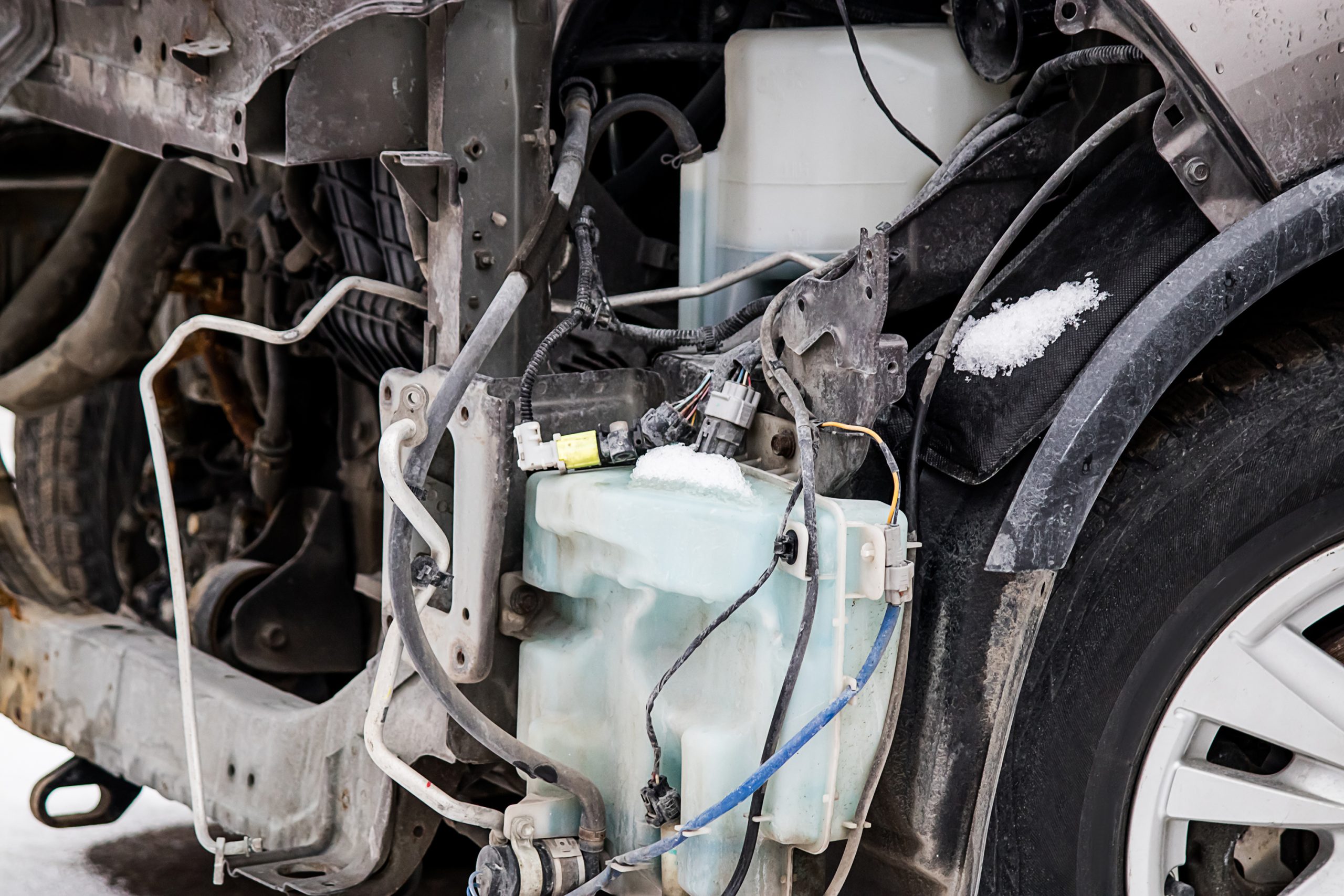
Coolant leaks and coolant loss in heavy-duty trucks can spell disaster for your diesel engine. Here, at Mac’s Diesel and Trailer Repair, we’ve witnessed time and again what happens when neglected coolant problems result in complete engine failure – spending an arm and a leg on a simple repair.
Your truck cooling system is an important function to keep your engine in peak condition. Coolant leaks can result in dire consequences such as:
- Overheating of the engine
- Damage to important parts
- Unexpected breakdowns
- Expensive repair bills
- Longer periods of being off the road
One example from our shop involved a truck with an internal coolant leak. The driver chose to ignore early warning signs, resulting in complete engine destruction. Such an expensive error would have been averted had care and professional servicing been done.
We understand how much it matters to you that your truck be running. That is why we designed this guide using the expertise of professionals to assist you in finding, repairing, and preventing leaks in your diesel engine’s coolant.
Let our professional mobile diesel mechanics assist you in getting your truck’s cooling system running at its best. We visit you with professional diagnostic equipment and expertise, reducing downtime and optimizing your truck’s reliability.
Learning About Coolant Leaks and Coolant Loss in Diesel Engines
Diesel engine coolant leak happens when engine coolant leaks out of the cooling system due to broken components or broken seals. Leaks may be external – puddles or noticeable drops on or beneath your truck, or internal – where engine oil and coolant commingle or flow into the combustion chamber.
Common Sources of Coolant Leaks:
- Failed EGR plugs allowing coolant into the exhaust system
- Deteriorated head gaskets create pathways between coolant passages and cylinders
- Cracked radiators or damaged hoses
- Worn-out water pump seals
- Corroded coolant lines
Internal coolant leaks are greatly detrimental to the health of your engine. Once the coolant is in the engine oil, you will have excessive amounts of oil in your reservoirs. Contamination of the oil reduces its lubricating ability and anticipates premature wear on engine parts with the potential for terrible failure if not addressed.
Your diesel engine’s cooling system plays a vital role in maintaining optimal operating temperatures. The system:
- Removes excess heat from engine components
- Prevents metal warping and premature wear
- Ensures efficient fuel combustion
- Maintains proper oil viscosity
A ruptured cooling system can’t regulate engine temperature correctly, and the results are overheating, malfunctioning engine performance, and engine destruction. Monitoring cooling system components regularly anticipates issues before they turn into costly repairs.
Symptoms and Signs of Coolant Leaks to Look Out For
Early detection of coolant leakage can prevent your diesel engine from being completely damaged. The warning signs to look out for are discussed below:
Visible Warning Signs:
- Puddles of green, orange, or pink fluid under your parked truck
- White smoke billowing from the exhaust, especially during startup
- Sweet, distinctive smell around your engine
- Discolored or rusty coolant in the reservoir
Dashboard Indicators:
- Rising temperature gauge readings
- Low coolant level warnings
- Check engine lights
Hidden Internal Leak Signs:
- Unexplained rise in oil levels
- Milky-colored oil on the dipstick
- Bubbles in the coolant reservoir
- Loss of engine power
- Rough idling or misfiring
Your coolant levels should be the same from one maintenance inspection to the next. Any abrupt change should be checked out immediately. Visual checks in your pre-trip inspections can detect these problems early before they get out of control.
Pro Tip: Monitor your coolant levels. Gradual loss of levels, even small amounts, signals a leak that must be diagnosed by professionals. Keep in mind – internal leaks may not be apparent but are just as harmful to your engine’s well-being.
Pro Tips for Detecting Coolant Leak Issues
Proper diagnosis of coolant leaks is attained through accurate testing procedures that result in detecting the direct source of leakage. Here are proven diagnostic steps our expert mechanics use:
1. Cylinder Balance Testing
- Run the engine at normal operating temperature
- Perform individual cylinder cut-out tests
- Monitor engine behavior changes during testing
- Identify compromised cylinders showing irregular performance
2. Compression Testing Protocol
- Test cold engine compression in all cylinders
- Compare readings against manufacturer specifications
- Look for significant variations between cylinders
- Document pressure readings for future reference
3. Boost System Inspection
- Check turbocharger connections for leaks
- Inspect intake gaskets for deterioration
- Test boost pressure under load conditions
- Verify proper sealing of all intake components
These diagnostic tests both obvious and hidden coolant leaks. Good observation with professional diagnostic equipment makes problems be found that are not visible to the naked eye. Cylinder balance tests, compression, and boost system checks all together give a complete picture of your engine cooling system status.
Preventative Maintenance Strategies to Avoid Coolant Loss
Regular preventive maintenance is your only safeguard against coolant system failure. Our experience shows that scheduled DOT inspections catch potential coolant issues before they escalate into major problems.
Key maintenance tasks to prevent coolant loss:
Replacement of fuel filters at regular intervals, irrespective of having recently been replaced, is essential to avoid coolant loss. Fresh air filter replacement ensures good engine performance and should be included in regular maintenance. Priority scheduling of digital inspection at PM service ensures complete checks on the system along with an early indication of any developing issues. Regular checks should also include ensuring levels of coolant to keep the system in good condition and to prevent leaks.
Effective maintenance records are essential in keeping track of work done, knowing recurring problem costs, and organizing future preventative action effectively.
Professional fleet maintenance programs offer total packages of maintenance to ensure that your trucks keep on running reliably. Programs employ state-of-the-art technology inspections to double-check everything to make sure that nothing is overlooked. Manufacturer-specific diagnostic tools are applied to diagnose and repair issues proprietary to every engine manufacturer. Experienced, trained technicians who have expertise in heavy-duty diesel systems perform the maintenance and repair attentively and in current conditions.
Another significant benefit of professional fleet service programs is maintenance reminder scheduling, and you’re in the driver’s seat on regular service and preventing surprise breakdowns. Each activity during service is tracked in minute detail, with an at-hand list of all work completed for effective long-term fleet management.
These proactive measures maintain your truck’s cooling system functioning and avoid unnecessary breakdowns. Fleet maintenance programs monitor maintenance history and detect problems before they affect your business. Regular maintenance not only extends engine life but also helps avoid costly repairs from neglected coolant system problems.
The Role of Professional Mobile Diesel Mechanics in Managing Coolant Issues
When coolant issues arise, having skilled mobile diesel mechanics on hand can make a huge difference in your fleet operations. Our mobile diesel mechanics in Lexington, KY, bring the repair shop directly to you, so there’s no need to tow your vehicle or deal with long periods of downtime.
Here’s what our mobile service team offers:
- 24/7 Emergency Response – We know coolant leaks don’t wait for business hours
- Complete Onsite Diagnostics – Professional-grade testing equipment right at your location
- Comprehensive Vehicle Coverage – Expert repairs for semi trucks, buses, RVs, and heavy-duty fleet vehicles
Our mobile mechanics come prepared with manufacturer-specific diagnostic software and specialized tools to address coolant system issues directly. We conduct thorough inspections, perform advanced diagnostic tests, and carry out necessary repairs – all at your location.
You can rely on our expertise for:
- Emergency roadside assistance
- DOT inspection services
- Complete cooling system diagnostics
- Onsite coolant system repairs
- Professional fleet maintenance programs
The convenience of mobile service means your vehicles spend less time off the road and more time generating revenue.
Common Misconceptions About Coolant Leaks and Their Repairs
Let’s debunk some dangerous myths about coolant leaks that could cost you thousands in repairs:
“Small leaks aren’t a big deal.”
A case study from our diagnostic records shows how a minor coolant leak, left unchecked, led to catastrophic engine failure. Even tiny leaks gradually reduce your engine’s cooling efficiency and can cause severe component wear.
“Temporary patches will hold.”
Quick-fix solutions like stop-leak additives mask the real problem. These temporary fixes can actually:
- Clog your cooling system
- Create additional pressure points
- Lead to more extensive damage
“Coolant loss without visible leaks is normal.”
Your truck shouldn’t consume coolant during normal operation. Internal leaks might not show obvious signs but can destroy your engine by:
- Contaminating your oil
- Creating excess pressure in the cooling system
- Causing cylinder damage
“Waiting for the next scheduled service is fine.”
Our diagnostic data reveals that postponing coolant leak repairs often doubles or triples the final repair costs. A simple leak today could mean a complete engine rebuild tomorrow.
Essential Tools & Tests for Effective Coolant Leak Diagnosis
Professional coolant leak diagnosis requires specific tools and testing equipment to pinpoint issues accurately. Here’s what you need:
1. Heavy-Duty Diagnostic Scanner
- Manufacturer-specific software
- Real-time engine data monitoring
- Fault code identification
2. Compression Testing Equipment
- Cylinder pressure measurement tools
- Leak-down testing devices
- Cylinder balance testing capabilities
3. Specialized Testing Tools
- Pressure testing equipment for the cooling system
- UV dye detection kit with LED light
- Digital temperature gauges
- Coolant hydrometers
These diagnostic tools not only assist in the diagnosis of external leaks but also internal coolant leaks, so accurate problem diagnosis is done prior to repairs. Our professional technicians utilize this professional equipment to conduct complete diagnostics on your diesel engine.
Best Practices for Maintaining Cooling System Health in Diesel Trucks
Maintain your diesel truck’s cooling system at its best with these effective maintenance procedures:
1. Regular Fluid Changes
- Replace coolant at manufacturer-specified intervals
- Use high-quality coolant designed for heavy-duty engines
- Document all fluid changes in your maintenance log
2. Filter Maintenance
- Install new fuel filters even if recently changed
- Check for condensation buildup in filters
- Clean or replace air filters to maintain proper engine performance
3. System Inspections
- Schedule digital inspections during PM service
- Look for signs of wear on hoses and connections
- Check coolant levels during daily pre-trip inspections
4. Professional Service
- Book regular fleet service appointments
- Get comprehensive DOT inspections
- Have services performed at 500,000-mile intervals
Adhering to these maintenance rules prevents expensive repairs and lengthens your engine life. Your cooling system, on the other hand, plays a great role in engine performance, so it is equally important to maintain it properly to ensure consistent running.
Coolant loss and leakage can quickly snowball into serious engine issues from small problems. Mac’s Diesel and Trailer Repair brings expert diagnostic tools and professional repair techniques directly to your location in Lexington, Kentucky, and surrounding areas.
Our skilled mobile diesel mechanics deliver:
Transparent pricing with no hidden costs
Onsite diagnostics and repairs to minimize downtime
Emergency roadside assistance when you need it most
Comprehensive maintenance programs to prevent coolant issues
Don’t wait until a small leak becomes a catastrophic engine failure. Our team specializes in heavy-duty trucks, buses, and RVs, providing the expertise you need to keep your fleet running smoothly.
Ready to address your coolant concerns? Call Mac’s Diesel and Trailer Repair at (859) 433-4062 for professional onsite service. We’ll help protect your engine and keep your trucks performing at their best on the road ahead.
Schedule your maintenance appointment today!