
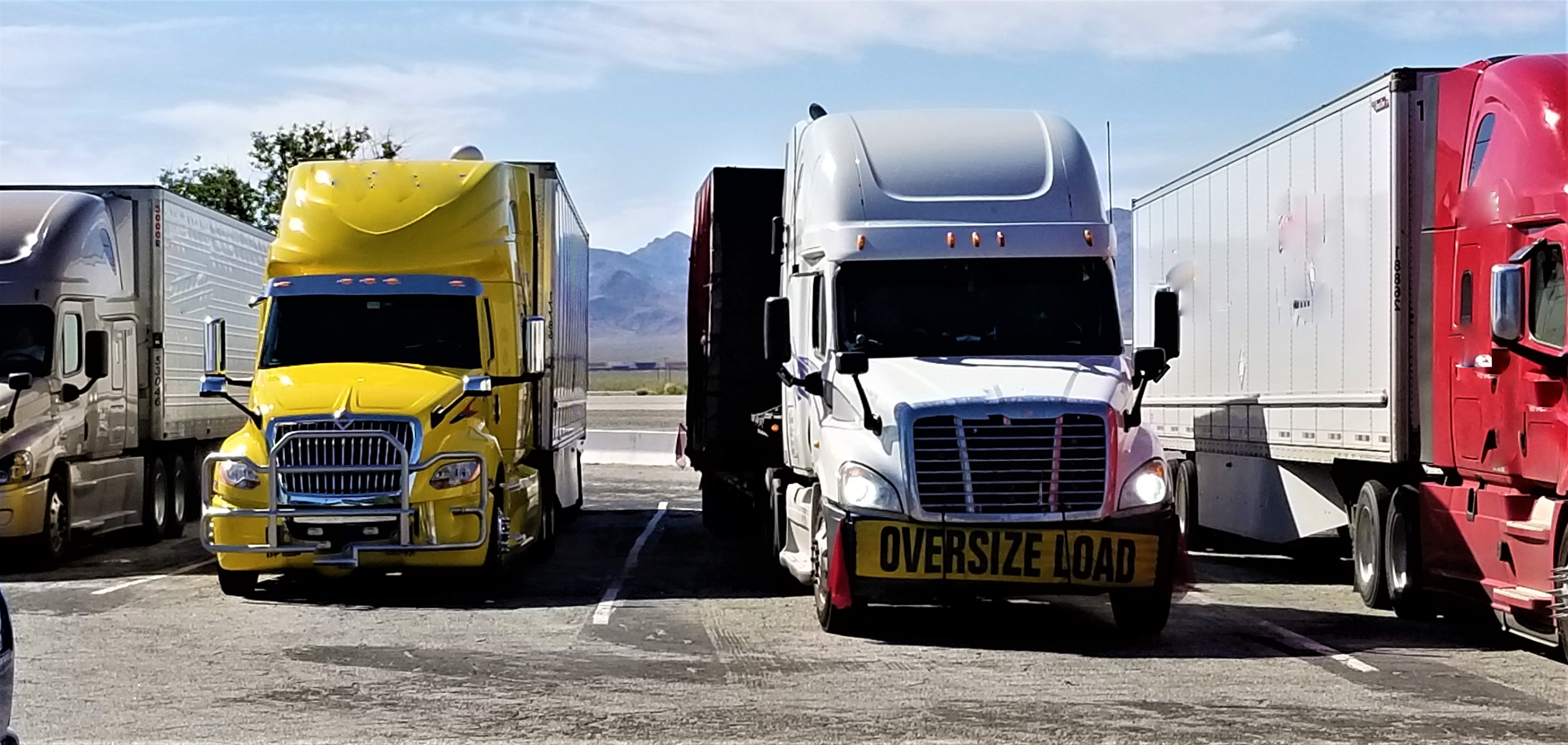
Are you driving in the right truck for your trucking operation? It’s a question that can make or break your bottom line. Efficiency is not merely a question of finding something that will move the cargo—it’s a matter of getting a truck that allows you to make more money with better fuel mileage and reduced operating costs.
The wrong truck spec can drain thousands off your budget annually in the form of poor fuel economy, excessive maintenance, and inefficient application. Smart fleet management begins with understanding how semi-truck specifications impact your daily expenses and long-term success.
Continue reading to discover:
- How truck specifications affect performance and costs
- Design choices that impact fuel efficiency
- Transmission types and gear ratios for optimal operation
- The role of wheels and tires in fuel economy
- Essential maintenance strategies to preserve your investment
Your trucking business deserves equipment that works as hard as you do—let’s ensure you’re making the best choices you can!
Understanding Truck Specifications: Why They Matter
Semi truck specifications are of the utmost relevance to your trucking company. They determine such basics as daily operating expense and long-term fleet efficiency. Specs are not merely numbers; they’re the foundation on which your trucks move in the real world.
Once you have specs, you can manage with ease:
- Fuel consumption habits that impact your profitability directly
- Maintenance intervals and frequency of diesel repairs
- The protection and well-being of motor vehicle drivers on long journeys
- The carrying capacity and the ability to transport merchandise
The efficiency of your fleet depends on the extent which these specifications align with your business model. A fine example is a heavy-haul truck that has not been optimized for long-haul highway duty, or an aerodynamic sports cruiser out for transporting construction materials on the job site. Every specification has a ripple effect on your overall operation, influencing aspects such as the rate of semi truck repairs and the levels of satisfaction among your drivers.
By having the right specifications, you can minimize surprise breakdowns, save fuel wastage, and extend the life of your trucks. This introduces a more predictable and profitable trucking business.
Selecting the Right Design for Your Business Needs
Your truck’s design immediately affects your bottom line, even through variations in fuel consumption. Aerodynamic trucks boast bodies that are designed for maximum airflow and minimum wind resistance as you drive down highways. Traditional trucks, though they may provide that nostalgic appearance many drivers desire, generate a lot more drag and resistance when driving on highways.
Your driving conditions determine which design serves you best:
Highway hauling: Aerodynamic designs excel in long-distance operations where wind resistance becomes a major factor in fuel economy
Local delivery: Classic trucks handle city driving and frequent stops without the aerodynamic penalty
Mixed operations: Consider your primary route type when weighing design options
The length of the wheelbase also has an impact on handling and aerodynamics. Shorter wheelbases (215 inches) offer a tighter turning radius for urban driving, while longer frames (265 inches) are more comfortable but less maneuverable. Permitting trailers to be positioned closer to shorter wheelbases has a special impact, improving aerodynamic efficiency and providing an additional fuel-saving advantage, in addition to the added maneuverability at close distances.
Maximizing Efficiency with Transmission Types and Rear End Ratios
Transmissions are the key to your truck’s performance potential and fuel efficiency.
Direct Drive: Features a final gear ratio of 1:1, requiring fewer gear changes and rotations to get your truck rolling
Single Overdrive: Provides one overdrive gear above direct drive for highway efficiency
Double Overdrive: Offers two overdrive gears, maximizing fuel economy on long-haul routes
The key lies in how these transmissions affect your engine’s RPM range. Direct drive transmissions, paired with appropriate gearing, help your truck reach its optimal RPM sweet spot with less effort, resulting in improved fuel efficiency.
Understanding Rear End Ratios
Rear-end ratios significantly impact both hauling capability and fuel economy:
Tall Gears (lower numerical ratios like 3.55 or 3.58): Ideal for highway driving and fuel efficiency
Short Gears (higher numerical ratios): Designed for heavy-duty hauling and steep terrain
Matching the right transmission type with optimal rear end ratios creates a powerhouse combination that keeps more money in your pocket through reduced fuel consumption.
The Role of Wheels, Tires, and Other Specs in Fuel Efficiency Strategies
Your tires and wheels are significant in making your truck more fuel-efficient by virtue of rolling resistance. Understanding tire profiles is crucial when optimizing your fleet’s performance.
Standard Profile Tires
These are the standard profile tires that carry an 11R designation and an 88% aspect ratio. That is, an 11-inch tire will have a height of about 9.5 inches. These tires are designed for neighborhood application and construction use but are more resistant to rolling on the highway.
Low Profile Tires
Low-profile tires have sidewall measurements in millimeters, typically with aspect ratios of 75% or 70%. Low profile tires experience an enormous reduction in rolling resistance, and that is why they are appropriate for highway use where fuel efficiency is most critical.
Your bottom line is directly affected by the tire profile you choose, and it does matter. Low-profile tires offer better highway efficiency, while standard profiles provide strength for demanding local use.
Building for peak fleet efficiency involves strategically blending all specs. Your transmission style, rear-end gear ratio, tire choice, and aerodynamic design will function as one system. A highway-spec’d truck with direct drive transmission, tall gear ratio, low profile tires, and aerodynamic design produces optimal fuel economy for long haul use.
Maintaining Your Fleet: Diesel Repair Services to Keep in Mind
Having the perfect truck specifications means nothing without proper maintenance to preserve those advantages. Your carefully selected aerodynamic design, optimal transmission ratios, and low-profile tires require consistent upkeep to deliver their intended fuel efficiency benefits.
Regular maintenance preserves your investment in the right specs. A neglected truck with ideal specifications will quickly lose its competitive edge, burning more fuel and costing you money despite being perfectly spec’d for your operation.
The Benefits of Mobile Diesel Mechanics
Mobile diesel mechanics revolutionize fleet maintenance by bringing diesel repair services directly to your location. This on-site truck repair approach eliminates the need to drive to a shop, saving you:
- Time – No travel to repair facilities
- Money – Reduced downtime costs
- Fuel – No unnecessary miles driven for maintenance
Comprehensive Services for Optimal Performance
Professional mobile service has it all, from regular tune-ups to roadside repairs, ensuring your spec’d trucks maintain optimal performance levels. When your truck breaks down on the highway, mobile mechanics get you back on the road sooner than from a trip to the conventional shop.
Choose Mac’s Diesel and Trailer Repair
Are you in the correct truck for your trucking business? The answer is finding out how every spec is supporting every other to provide optimal efficiency. By selecting truck specs that align with your own company’s requirements, you’re making an investment in better fuel economy and fewer operating costs that will directly affect your bottom line.
Don’t make these tough decisions alone. With specialists consulted during spec’ing or buying trucks, you’re making decisions that will maximize your trucking business success. Whether requiring truck specs guidance or maintenance support, professional guidance is the distinguishing factor.
For all your professional diesel maintenance or repair needs, call Mac’s Diesel and Trailer Repair at (859) 433-4062—your trusted partner in maintaining your fleet at its optimal level of performance and efficiency on the road.