
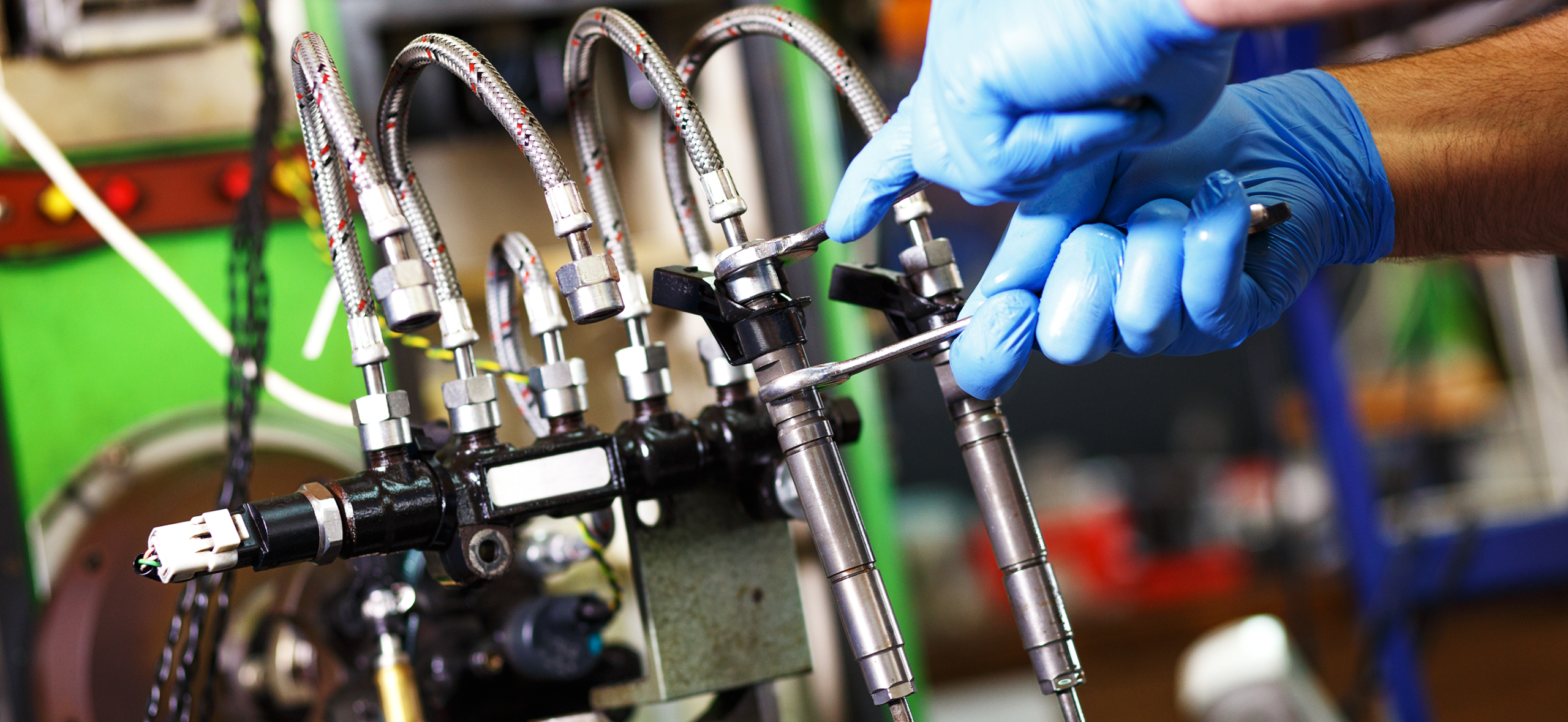
Your truck’s fuel injectors act as unsung heroes for the proper working of your diesel engine. These critical components have to be cared for just in time so that your 18-wheeler stays perfectly efficient.
Think of fuel injectors as the heart of your engine’s fuel delivery system. When working perfectly, you get the best fuel economy, smooth engine operation, full throttle output, and minimized emissions. Working injectors ultimately means good performance with longer engine life; with trust in their functionality, your vehicle becomes a long-term asset.
Here’s a reality, though-fuel injectors neglected for too long present performance issues that will come at a heavy price. This means every truck owner should know how to carry out fuel injector testing as a DIY.
We will teach you professional testing methods you can perform on your own or know when to call in for help. From a simple visual check to pressure testing, you will come to realize the steps that guarantee the best of diesel fuel injector maintenance.
It is time to start working on fuel injector maintenance so that you never miss a heartbeat of your truck.
Understanding Diesel Fuel Injectors and Their Role
Your truck’s diesel fuel injectors are very paramount components of the engine’s fuel delivery system. They accurately control the timing and amount of fuel being injected into the combustion chamber.
Key Functions of Diesel Fuel Injectors:
Diesel-fuel injectors atomize the fuel into a spray pattern for combustion, keeping the fuel well dispersed inside the combustion chamber. They maintain fuel pressures usually between 2,800 and 3,000 psi for mechanical fuel injectors, necessary for efficient delivery of fuel to fuel injection and optimum engine performance. Diesel fuel injectors impart a balanced engine operation and smooth running, but there is an inconsistency in fuel-giving across all cylinders. They control injection time with injection rate to see that maximum power is obtained so that the engine performs at its best under all working conditions.
A properly functioning fuel injector directly impacts your semi truck’s performance in several ways:
- Power Output: Clean, well-maintained injectors ensure complete fuel combustion
- Fuel Economy: Precise spray patterns prevent wasted fuel
- Engine Life: Proper atomization reduces carbon buildup
- Emissions: Efficient fuel delivery creates cleaner exhaust
Common Issues With Faulty Injectors:
Faulty injectors can cause many common problems that will degrade your diesel engine. Poor spray pattern from clogged nozzles is one of such problems whereby defective atomization of fuel occurs and inefficient combustion takes place. Leakage around the injector tips is quite another common problem, as fuel is wasted and could even be hazardous. This can sometimes lead to an unbalanced and unsmooth operation of the engine due to inconsistent fuel delivery between the cylinders.
Physical damage to the injectors, corrosion of their surfaces may constitute an additional aggravation of such problems, with resultant impairment of their working. Another issue that can arise with modern systems are electronic failures that interfere with the fine control needed in fuel injection. Injector coil resistance problems are a big one, since they ought to carry the electric signals required to operate injectors correctly.
These issues genuinely escalate from small performance drops to major mechanical problems. Regular inspections and preventive maintenance preempt such problems before they become disastrous or roadside headaches.
Why Regular Testing of Fuel Injectors is Essential
Your truck’s fuel injectors need consistent attention – skipping maintenance can lead to serious problems. A neglected fuel injection system creates a domino effect of issues:
Inadequate Engine Performance: Defective injectors can unevenly spray fuel for an idle with roughness, less power, and engine misfires.
Reduced Fuel Economy: Poor atomization and irregular spray patterns by faulty injectors make all that diesel a waste.
Sudden Breakdown: Failed injectors may leave you stranded mid-haul, disrupting delivery schedules and causing damage to client relationships.
With regular testing, you can detect potential issues before they morph into huge repair jobs. A simple injector test can reveal:
- Uneven fuel distribution
- Incorrect spray patterns
- Pressure irregularities
- Early signs of wear or damage
The cost of professional fuel injector testing is minimal compared to the expenses of:
- Emergency roadside repairs
- Towing services
- Lost revenue from missed deliveries
- Complete injector replacement
- Engine damage repairs
The truck’s fuel economy directly relates to injector health. Clean and well-maintained injectors combine to provide the highest level of fuel atomization so that every drop of diesel counts in terms of being converted into power. This also means that fuel delivery gets converted into good mileage and reduced fuel expenses during long hauls.
Testing of fuel injectors after the recommended intervals helps safeguard one’s investment while keeping the semi-truck at optimum performance levels. Such services allow a professional to diagnose early, saving on repair costs and sustaining road-going reliability for the truck.
Step-By-Step Guide to DIY Fuel Injector Testing
Testing a diesel fuel injector entails attention to detail and having the correct tools. Let’s talk through the necessary steps in properly inspecting your truck fuel injection system.
Safety First
- Ensure your engine is completely cooled down
- Work in a well-ventilated area
- Have all necessary tools ready
- Clean your work area to spot leaks easily
Visual Inspection
Start with a detailed visual check of your injectors:
- Look for visible signs of damage
- Check for corrosion around components
- Identify any obvious fuel leaks
- Inspect surrounding areas for residue
Fuel Pressure Testing
A calibrated fuel pressure tester is your primary tool for this crucial diagnostic step. Here’s what you need to know:
Required Equipment:
- Calibrated fuel pressure tester
- Appropriate fittings for your engine model
- Clean rags for spill control
Testing Process:
- Attach the pressure tester securely to your fuel system
- Check the gauge calibration
- Monitor opening pressure readings
- Compare results to manufacturer specifications
Target Pressure Ranges:
- Mechanical diesel injectors: 2,800 to 3,000 PSI
- Readings outside this range indicate potential issues
Key Testing Points:
- Maintain consistent testing conditions
- Record readings for each injector
- Note any significant variations between injectors
- Document your results for future reference
A proper fuel pressure test reveals vital information about your injectors’ performance. Inconsistent readings or pressures outside the recommended range signal the need for professional attention. This test forms the foundation of a comprehensive injector health assessment.
2. Performing an Injector Balance Test
The injector balance test reveals crucial insights about your fuel delivery system’s performance. During this test, you’ll measure the fuel flow from each individual injector while your engine runs. This helps identify any inconsistencies in fuel distribution.
Key Testing Points
In order to know how good the injectors are, keep the engine in constant RPM and measure fuel delivery per injector. By comparing how much fuel is delivered by each injector, one can detect some significant difference in performance. Ideally, the flow rates through all units should be almost at the same levels, indicating a properly working injector and another indicator of the balanced operation of the engine; however, any big differences could be signs of trouble that may need further probing or fixing.
Uneven fuel delivery signals potential issues that can hurt your engine’s performance and reduce fuel efficiency. A properly functioning system shows consistent fuel flow across all injectors. Any variations beyond manufacturer specifications indicate an injector might need cleaning or replacement.
This test helps pinpoint specific injectors causing problems rather than replacing the entire set unnecessarily. Your fuel system performs at its best when all injectors work together in perfect harmony.
3. Electrical Testing with a Multimeter (Ohm Test)
For electronic injectors, a multimeter test reveals crucial information about their electrical health. This simple yet effective diagnostic method measures the resistance in your injector’s coil windings.
Here’s how to perform the test:
- Set your multimeter to measure ohms
- Connect the leads to the injector’s electrical terminals
- Compare your readings with manufacturer specifications
An additional reading or different reading from the recommended one will suggest some electrical problems with the injector. Diagnosis from such readings would help you in identifying faulty injectors before they ignite performance issues or leave you stranded on the highway.
Pro Tip: Clean the electrical connections prior to testing for accurate readings. Dirt or corrosion can hamper your measurements and lead you to wrongly diagnose.
4. Injector Spray Pattern Test
The spray pattern test can tell you a lot about the injector’s performance. The injectors generally have to be removed from the engine and secured to a special test rig or fuel rail. Once mounted, crank the engine to observe the spray characteristics.
A healthy injector produces a fine, even mist dispersed in multiple directions. Signs of optimal performance include consistent atomization across all spray holes and a symmetrical cone-shaped pattern. There must be no fuel streaming or dribbling from the injector, and the spray must have a clean cut-off on the injection shutdown. These features show that the injector is in good condition, allowing for effective combustion and engine smoothness.
Irregular patterns, such as uneven sprays or concentrated streams, signal potential clogs or internal damage. These issues can stem from contaminated fuel, carbon buildup, or worn components – requiring immediate attention through cleaning or replacement.
Remember to maintain a clean testing environment to accurately spot any irregularities in the spray pattern. A well-lit workspace helps you detect subtle variations that might affect your engine’s performance.
5. Leakage Test Procedures
The leakage test is a critical step in your DIY fuel injector inspection process. After completing the spray pattern evaluation, raise the pressure to approximately 2,500 PSI – the recommended testing threshold. Clean the injector tip area thoroughly to ensure accurate leak detection.
Key inspection points:
- Check for fuel seepage around the injector body
- Inspect the O-rings and seals for signs of deterioration
- Monitor the nozzle tip for any drips or seepage
- Look for wetness or staining around connection points
A properly functioning injector should maintain pressure without any visible leaks. Fuel drops or seepage being seen is a sure sign that your injector needs a professional touch. If such leaks exist, fuel will be wasted creating less efficiency; poor engine performance will result; engine damage may even be caused; and, the emissions test will definitely fail.
Always maintain constant pressure during the test for accurate test results. A pressure drop without visible leaks might indicate internal injector issues requiring expert diagnosis.
When to Schedule Professional Diesel Injector Service
DIY testing helps identify basic injector issues, but professional expertise becomes essential in several situations:
Complex Electronic Systems: Modern diesel engines feature sophisticated electronic injector systems requiring specialized diagnostic equipment
Inconsistent Test Results: When your DIY tests show unclear or varying results
Persistent Performance Issues: If your truck experiences ongoing power loss or rough running despite basic maintenance
We at Mac’s Diesel and Trailer Repair in Lexington, KY bring professional diagnostic capabilities right to your location. Mobile diesel mechanics arrive with cutting-edge testing apparatus for pinpointing measurement and high-class tools for thorough inspection. They use factory-level diagnostic software to check and maintain your diesel injectors with the utmost accuracy.
Advantages of Verifiable Service
Professional diesel injector services provide a few benefits to truck owners and operators. Injection faults can be very complex; therefore, proper diagnoses ensure the actual cause is recognized and resolved instead of trial-and-error attempted fix. Such skilled technicians are, therefore, required to interpret these test results, which is very important for complex electronic systems that an engine of today has.
With early intervention, such services save money and time, preventing the onset of secondary damage to the engine resulting from unresolved faults of the injector. Onsite repairs by expert mechanics equal less downtime and less disruption to one’s time.
Comprehensive Heavy-Duty Truck Services
Complete heavy-duty truck services are provided by Mac’s Diesel and Trailer Repair in Lexington, KY, aimed to maintain your fleet at peak performance. These include emergency road assistance to manage unexpected breakdowns, detailed DOT inspections to keep everything within regulatory protocols, and complete diagnostics of the fuel system to identify any issues with pinpoint accuracy.
We also professionally clean and calibrate injectors, repair full systems, and replace those that cannot be fixed. Each service is performed using advanced equipment and factory-level diagnostic software for reliable results.
When Professional Testing Becomes Crucial
There are certain symptoms that indicate it’s time to seek professional testing for your diesel injectors. If you observe black exhaust smoke, significant power loss, or uneven engine running, these may all point to injector problems that require expert attention. Failed DIY pressure tests or irregular spray patterns during your own inspections further signal the need for specialized diagnostic capabilities. Addressing these things immediately with professional treatment keeps your truck running nice, in specification, and set to hit the road ahead.
Our technicians are aware of the intricate interrelation of the fuel system and engine performance and will have your truck running in top condition on the road.
Experts’ Tips For Cleaning Fuel Injectors Between Tests
The condition of your fuel injectors impacts your truck’s performance directly. Here’s what professional diesel mechanics recommend for optimal maintenance between scheduled tests:
Quality Fuel Practices
- Fill up at reputable truck stops with high-quality diesel fuel
- Avoid running your tank too low to prevent sediment intake
- Use manufacturer-recommended fuel additives during seasonal changes
Preventive Care Steps
- Replace fuel filters at recommended intervals
- Keep water separators drained
- Monitor fuel pressure gauges for early warning signs
Daily Best Practices
- Let your engine warm up properly before heavy loads
- Maintain consistent idle speeds
- Address any rough running issues promptly
Smart Operating Habits
- Avoid extended idle periods that can lead to carbon buildup
- Keep detailed maintenance records
- Schedule regular fuel system cleanings with your service provider
These proactive steps help maintain clean, efficient fuel delivery and reduce the risk of injector-related issues between professional inspections.
Choose Mac’s Diesel Truck and Trailer Repair
DIY fuel injector testing helps you maintain your truck’s performance, but professional expertise ensures comprehensive care for your diesel engine. Mac’s Diesel and Trailer Repair operating mobile mechanic team service to you in Lexington, KY.
The experienced technicians offer onsite truck repair, roadside assistance in emergencies, DOT inspections, bus and RV repair, and additionally, fuel injector diagnosis to make sure the vehicle runs efficiently.
Your truck should get the best maintenance possible. Our team will be ready to assist you with a thorough fuel injector checkup or any heavy-duty repairs. We see that a truck working smoothly is very important for you.
Ready to schedule your diesel repair appointment? Call us at (859) 433-4062 for trusted mobile diesel mechanic services in the Lexington area. Let Mac’s Diesel and Trailer Repair be your partner in maintaining your truck’s fuel system and keeping you on the road.