
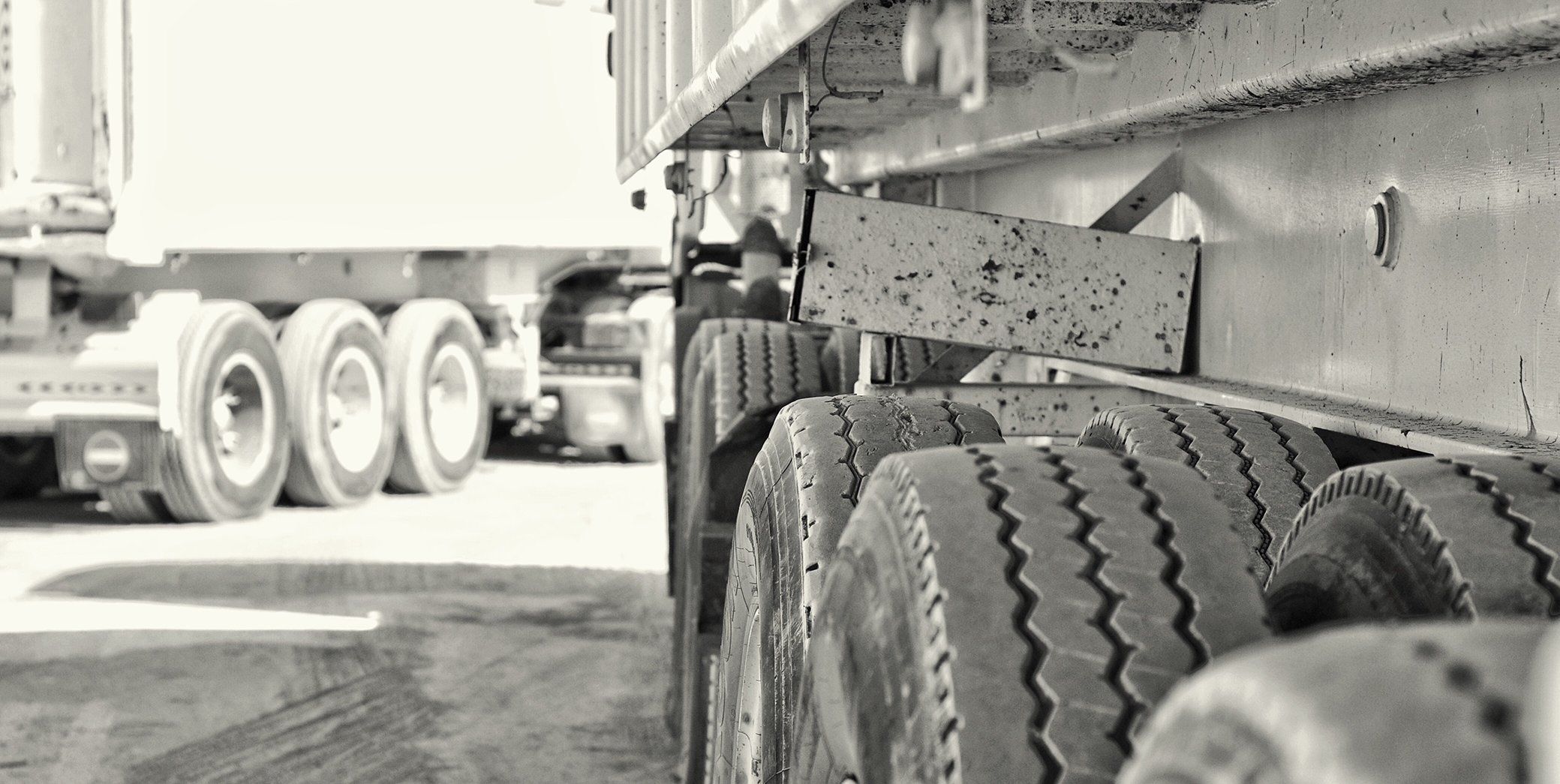
Thinking about the rear wheel alignment of your semi truck may not ring the bell to you for getting regular maintenance, but it certainly deserves a bell or two! Quite frankly, maintenance of this system impacts the performance, safety, and overall running costs of your truck!
Why Should I Invest In Rear Wheel Alignment?
Your truck rolls along smoothly with proper alignment. Heavy load stability is also taken care of.
- Improved Handling: The truck is easier to steer and control, thus decreasing fatigue for the driver on long haul drives.
- Predictable Performance: Well-aligned wheels deliver consistent performance across various road conditions
A properly aligned semi truck can save you significant money through:
- Reduced fuel consumption
- Extended tire life
- Lower maintenance costs
- Fewer emergency repairs
Let’s put this into perspective: A misaligned semi-truck can drag sideways while moving forward, forcing the engine to work harder and burn more fuel. Can you imagine pushing a shopping cart with badly misaligned wheels? Just think of the effects of this on your truck, which weighs 80,000 pounds! This is called the scrubbing effect, and wasting fuel with it also consumes and creates uneven tire wearing and unwanted stresses on your truck.
Getting professional alignment services will help you be certain that your wheels are properly aligned and that you are keeping your truck’s bottom line secure (literally!)
Key Concepts of Rear Wheel Alignment: Camber, Toe, and Caster Explained
Simply put, alignment is so important for performance in your semi truck. Let’s look at these necessities:
1. Camber
- The angle of your tire’s vertical tilt when viewed from the front
- Positive camber: Top of tire tilts outward from the vehicle
- Negative camber: Top of tire tilts inward toward the vehicle
- Incorrect camber leads to uneven tire wear and compromised handling
2. Toe Alignment
- Measures the direction your tires point relative to your truck’s centerline
- Toe-in: Front of tires point toward each other
- Toe-out: Front of tires point away from each other
- Improper toe setting causes:
- Increased road resistance
- Higher fuel consumption
- Accelerated tire wear
- Reduced steering precision
3. Caster
- The angle of your steering axis when viewed from the side
- Affects your truck’s:
- Steering feel
- Straight-line stability
- Return-to-center steering action
- Proper caster angle helps maintain directional stability during high-speed driving
An overall proper working of these alignment angles ensures a balanced driving experience. When set correctly, they help secure the semi-truck’s road contact, predictability of its response to steering inputs, and stable handling characteristics. Frequent checkups on these same angles also reduce the chances of steering pull, uneven tire wear, and handling trouble, which are more direct threats to your safety on-road.
Save money at the pump with proper alignment. Wheel alignment in your semi truck affects how much you pay for fuel. Wheels that are out of alignment will create resistance due to scrubbing against the road surface.
This resistance implies your engine has to work extra hard to offset the drag and keep up the speed and power, causing more fuel to burn. With misaligned wheels, the tires would drag sideways instead of rolling along. Subsequently, the engine would have to compensate by burning extra fuel, which means added fuel consumption. This misalignment could waste fuel worth hundreds of gallons in the course of the year. In the case of heavy-duty vehicles, this waste of fuel becomes significant.
The bigger the vehicle and the heavier the load, the more pronounced these effects become. On the other hand, a well-aligned truck has minimum rolling resistance, allowing the engine to run efficiently down the road.
Tips to maintain optimal alignment for fuel savings:
Regular Alignment Checks
- Schedule checks every 50,000 miles
- Monitor for pulling to one side
- Watch for uneven tire wear patterns
Load Distribution
- Balance cargo weight evenly
- Avoid overloading one side
- Maintain proper tire pressure
Driving Habits
- Avoid harsh impacts with curbs
- Navigate potholes carefully
- Report any steering changes
A proper alignment allows a semi truck to travel along the highway, easily gliding with the least effort from the engine and causing less money to be spent at the fuel pump. A very small investment in alignment maintenance saves a whole bunch in the overall fuel expense of the fleet.
Align Care: Maximizing Tire Life and Consolidating Maintenance Costs
Your truck tires are an investment in and out of themselves and should be protected by proper wheel alignment. If your wheels are misaligned, they will exert uneven pressure on the tires, ultimately giving rise to irregular tire wear patterns that can drastically shorten their life span.
Key Signs of Tire Wear Due to Misalignment:
- Feathering – one side of the tread block is worn more than the other
- Camber wear – excessive wear on the inner or outer edge
- Heel/toe wear – uneven wear across individual tread blocks
Periodic checks on your wheel alignments will save you from huge expenditures on improper tire wear that would have otherwise developed. When the camber and toe angles are correctly set, the tires will be in constant contact with the road surface, allowing for uniform wear across all tread surfaces.
Benefits on Cost
Rear wheel alignment holds several cost-saving advantages for truck operators and fleet managers. A correct wheel alignment will ensure extended tire life and less tire replacement on the part of the operators. All this amounts to savings on the purchase of tires and reduces the chance of unexpected breakdowns caused by uneven or premature tire wear. Therefore, overall maintenance expenditures drop, allowing for more savings in the long run and thereby increasing the reliability of the vehicles on the road.
While professional alignments may seem to be an expense, they are really an investment. The cost of a periodic alignment is a small price to pay against the exorbitant cost of having your tires replaced prematurely or paying for emergency repairs. Just a single set of tires for your semi truck will cost you up to thousands, so ensuring proper alignment will allow you to get the best return on that investment.
These preventive maintenance activities, for example, might be compared to checking the health of your tires. Like regular health check-ups, which help to flag problems or things not going quite right, checking your wheel alignment with a regular inspection can prevent unnecessary wear and tear on your tires.
Your safety on the road is best taken care of by how well your semi truck can now respond to your control. A major factor in that control and accident prevention is certainly proper rear wheel alignment.
What Happens When My Wheels Are Misaligned?
When wheels are misaligned, they lead to severely difficulty steering. This, combined with overall instability, means handling can become unpredictable. Having the control you need is nearly impossible during emergencies and makes even minor changes in road conditions more dangerous. At times, the response to road and traffic changes can be delayed longer than expected, increasing the probability of accidents and rendering each maneuver less secure altogether.
Imagine you are maneuvering your semi on a busy highway and are forced to make an emergency maneuver. With an alignment concern, it could mean that your truck is slower to respond or will be less accurate in its movements. A couple of seconds could mean the difference between avoiding an accident or a causing a crash itself!
A lot is dependent on how stable the truck happens to be in emergency situations. When your wheels are correctly aligned, you will experience:
- A predictable and stable ride
- Better steering control
- Improved vehicle response
- Enhanced stability during turns and lane changes
For large trucks carrying heavy loads, these safety factors become even more critical. The weight and size of your semi-truck magnifies any sort of alignment problems and can pose the most dangerous driving conditions. Proper alignment of your truck maintains its intended direction of travel and minimizes the possibility of drifting away or sudden movements that could cause accidents.
Off-road conditions present additional challenges. Your truck needs precise alignment to maintain stability and traction on uneven terrain. The correct alignment setup helps you navigate these challenging environments safely while maintaining optimal vehicle control.
Choose Mac’s Diesel and Trailer Repair
The evidence is clear – rear wheel alignment isn’t just another maintenance task to check off your list. It’s a critical investment in your semi truck’s performance, safety, and financial health.
Regular alignment checks help you:
- Maximize fuel efficiency
- Extend tire life
- Prevent costly repairs
- Maintain optimal vehicle control
- Ensure safer driving conditions
A semi-truck is always put to work to earn its keep. In return, it deserves good alignment service. Here at Mac’s Diesel and Trailer Repair, our seasoned mechanics know the special rigors of heavy-duty vehicles. We undertake alignment checks and adjustments to optimize your truck’s performance.
Are you ready to give your truck the alignment attention it needs? Our mobile mechanics bring professional services right to you. Whether you want a routine check-up or suspect any alignment issues, let us help you out.
Call us today at 859-433-4062 to schedule your semi truck alignment service in Lexington, Kentucky, and surrounding areas.