
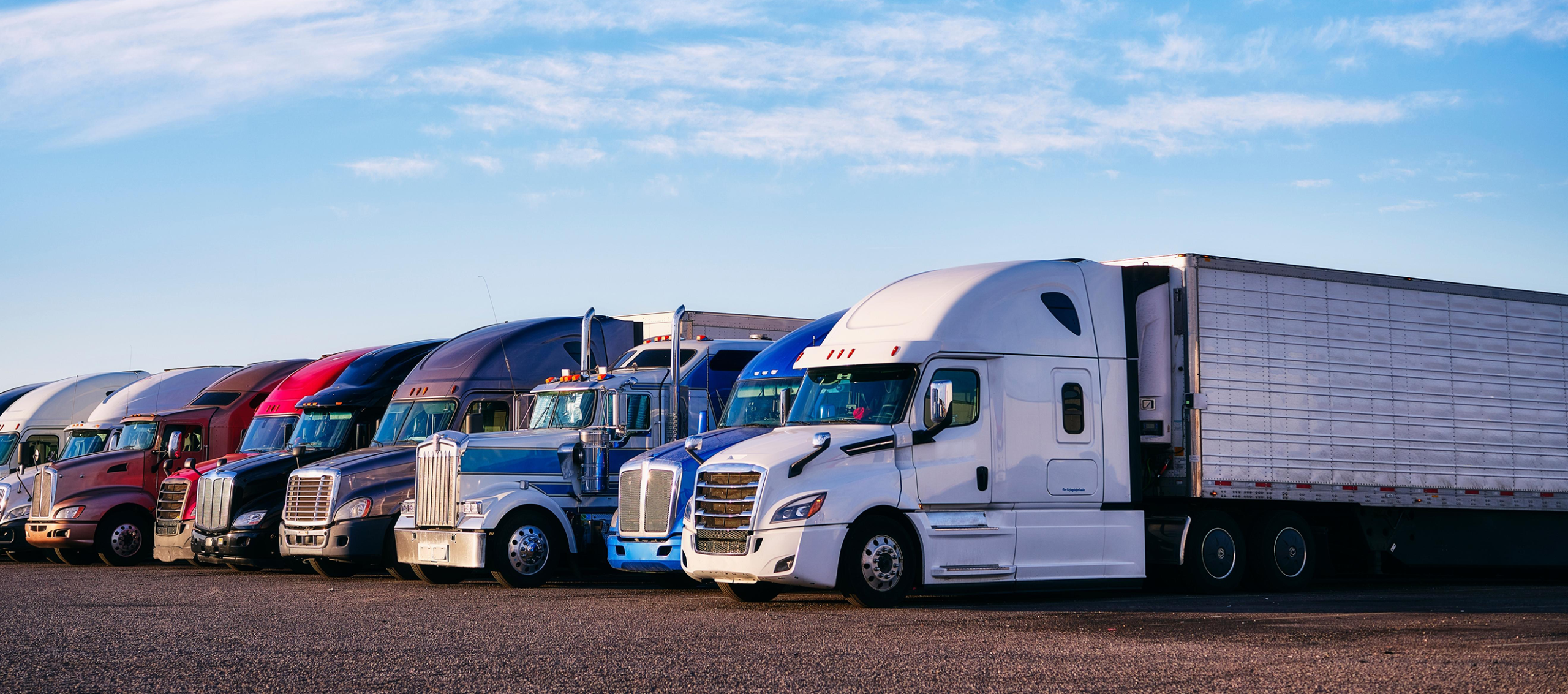
In the competitive trucking industry, stagnancy means your business will start to degrade; there’s just no two ways about it. So, how do you increase your activity and the amount of ground you can cover each day? Growing your fleet, that’s how! Continue reading for some pro tips about how you can do this, especially from the viewpoint of maintaining your new collection of income haulers.
Business expansion through fleet growth offers you the chance to:
- Multiply your revenue streams
- Reduce your dependency on being behind the wheel 24/7
- Create a sustainable business model that works for you instead of the other way around
But let’s be honest, managing a fleet comes with its own set of challenges. You’re no longer just responsible for your own truck and your own loads. You’re now dealing with:
- Multiple vehicles
- Multiple drivers
- Maintenance schedules
- Insurance complexities
- The constant need to keep everyone moving and profitable
The demands are real, and the stakes are higher.
The good news? The opportunities are equally significant. With the right approach, you can build a fleet that generates consistent income, serves reliable customers, and gives you the freedom to focus on growing your business rather than just driving it.
1. Commitment and Experience: Laying the Groundwork for Success
Before you start dreaming about managing a fleet of trucks, you need to put in serious seat time behind the wheel. As an owner-operator, spending extensive hours on the road serves two critical purposes that directly impact your ability to scale.
Building Your Capital Base
Driving a lot isn’t just about gaining experience, it’s about creating the financial foundation for expansion. Every mile you drive as an owner operator generates the capital you’ll need to purchase additional trucks. This hands-on approach to building your trucking business ensures you’re funding growth through actual revenue rather than taking on excessive debt from day one.
Understanding the Real Demands
The road is the teacher for some things that no business course can teach. Long hours, demanding schedules, equipment challenges, and the mental toll of being away from home, these are things you will have to make part of your life. If you cannot handle this grind yourself, then how will you manage drivers facing these same problems?
The Commitment Question
Here’s the honest truth: many owners struggle because they underestimated what this industry demands. They bought trucks expecting better profits than company drivers, but found themselves drowning in expenses and stress. Your driving commitment acts as a litmus test. If you’re serious about building a fleet, the demanding nature of trucking shouldn’t deter you-it should fuel your determination to succeed and grow strategically.

2. Establishing Authority and Independence: A Key to Business Scalability
When you’re ready to take your own authority as an owner operator, you’re choosing the road to true independent trucking. Operating under your own authority means you get to be genuinely independent. You’ll work directly from a load board, selecting freight that makes sense for your operation. This freedom translates into something crucial: the best way to bring in profits, period.
With your own authority, you control:
Freight selection – Choose loads that align with your routes and rates
Customer relationships – Build direct connections with brokers and shippers
Rate negotiations – Set pricing that reflects your value and costs
Business Expansion – Add trucks without needing approval from another carrier
This independence becomes the foundation for scaling your operation. When that second or third truck is added, the infrastructure, relationships, and authority structures are already set up for growth.
Building Strong Relationships in the Industry: Fueling Growth Opportunities
You can’t create a successful fleet in a vacuum. The relationships in trucking are the backbone of your growth strategy, affording you access to the solid sources of freight that keep your trucks moving and your business growing.
The people you know directly affect your ability to secure regular work. Brokers are going to be your gateway to various freight opportunities, and with that, contractors and other industry partners create networks in support of your operations. When you’re scaling from one to many trucks, those connections multiply in importance-what worked for one truck will not sustain a fleet.
A strong broker relationship means that when premiums become available, you’re at the front of the line to get them. They know they can count on you, which then turns into better rates and more regular work. The same goes for shippers, dispatchers, and other owner-operators who may refer business your way.
Here is how you can strengthen your industry network:
- Communicate proactively with your existing contacts, not just when you need something.
- Continuously deliver excellent service in order to build a reputation as a dependable carrier.
- Attend industry events where you can meet potential partners face-to-face.
- Join trucking associations and online communities to expand your reach.
- Follow up regularly with brokers and maintain those connections even during busy periods
Your team around you creates the win-win situations that fuel growth. Every positive interaction builds credibility, and that credibility becomes currency when you’re ready to add trucks to your operation.
Technical Knowledge and Fleet Maintenance: Ensuring Reliability on the Road
You can’t afford to be in the dark about what’s under the hood. An understanding of truck mechanics isn’t just helpful, but an integral part of making smart purchasing decisions and keeping your fleet up and running. When you are evaluating possible additions to your fleet, a clear idea of what constitutes a solid investment as opposed to a money pit could save thousands of dollars down the line.
Let’s take the example in the video: a driver showed up with a 2013 Volvo 670, D13 engine. Beautiful outside truck, but plagued with DEF issues that would cost a fortune to fix. This scenario plays out constantly in the industry. Without technical knowledge, you’re gambling with your capital every time you purchase equipment.
Key areas where technical expertise pays off:
- Pre-purchase inspections – Knowing what to look for prevents costly mistakes
- Routine maintenance scheduling – Keeping trucks running prevents expensive breakdowns
- Basic troubleshooting – Identifying minor issues before they become major problems
- Vendor relationships – Understanding the work helps you communicate effectively with diesel repair service providers
Common problems with diesel trucks include issues with DPF filters, failures within the turbocharger, intricate fuel system issues such as troubleshooting common electrical system issues, and electrical problems. This leads to costlier repairs which become manageable since you can budget for them accordingly and reduce loss of use which directly equates to lost income. A good technical understanding makes for better decisions that are positive toward your finances in identifying the right time to repair or replace the equipment, choosing the technician.
3. Home Daily Schedules: Attracting Quality Drivers
Home daily schedules become a powerful recruiting tool when you’re building your fleet. Drivers want to sleep in their own beds, and predictable route contracts with regular home time make your operation attractive. You’re not just offering a job; you’re offering a lifestyle that keeps quality drivers behind the wheel.
These scalable opportunities create a foundation where adding your second, third, or tenth truck doesn’t mean scrambling for freight; that work is there, waiting for you to grow into it.
Choose Mac’s Diesel and Trailer Repair
Scaling from just one truck into many requires a strategic foundational base composed of five critical building blocks: commitment through extended driving experience, getting your own authority, developing industry relationships, acquiring technical knowledge, and finding scalable freight. These are the pillars and the foundation that dovetail in place for a sustainable trajectory of fleet growth support. Success will not only come from how many trucks you can acquire but also from how well you can keep them running.
That is where teaming up with experienced diesel mechanics in Lexington, KY, becomes essential. At Mac’s Diesel and Trailer Repair, we understand how difficult it may be to manage your fleet operation, especially when it comes to servicing all of the trucks! We offer key diesel repair services you need to keep your trucks on the road and earning revenue.
From routine maintenance to emergency roadside assistance and DOT inspections, our mobile diesel mechanics come to you to reduce downtime and maximize the efficiency of your fleet. Our services include EGR and DPF repairs, roadside service, winter weather preparation, tire maintenance, among others.
Ready to ensure your fleet runs smoothly? Call us today at Mac’s Diesel and Trailer Repair at (859) 433-4062 for professional assistance with all your heavy-duty truck service needs. Let us handle the repairs while you focus on building your business.