
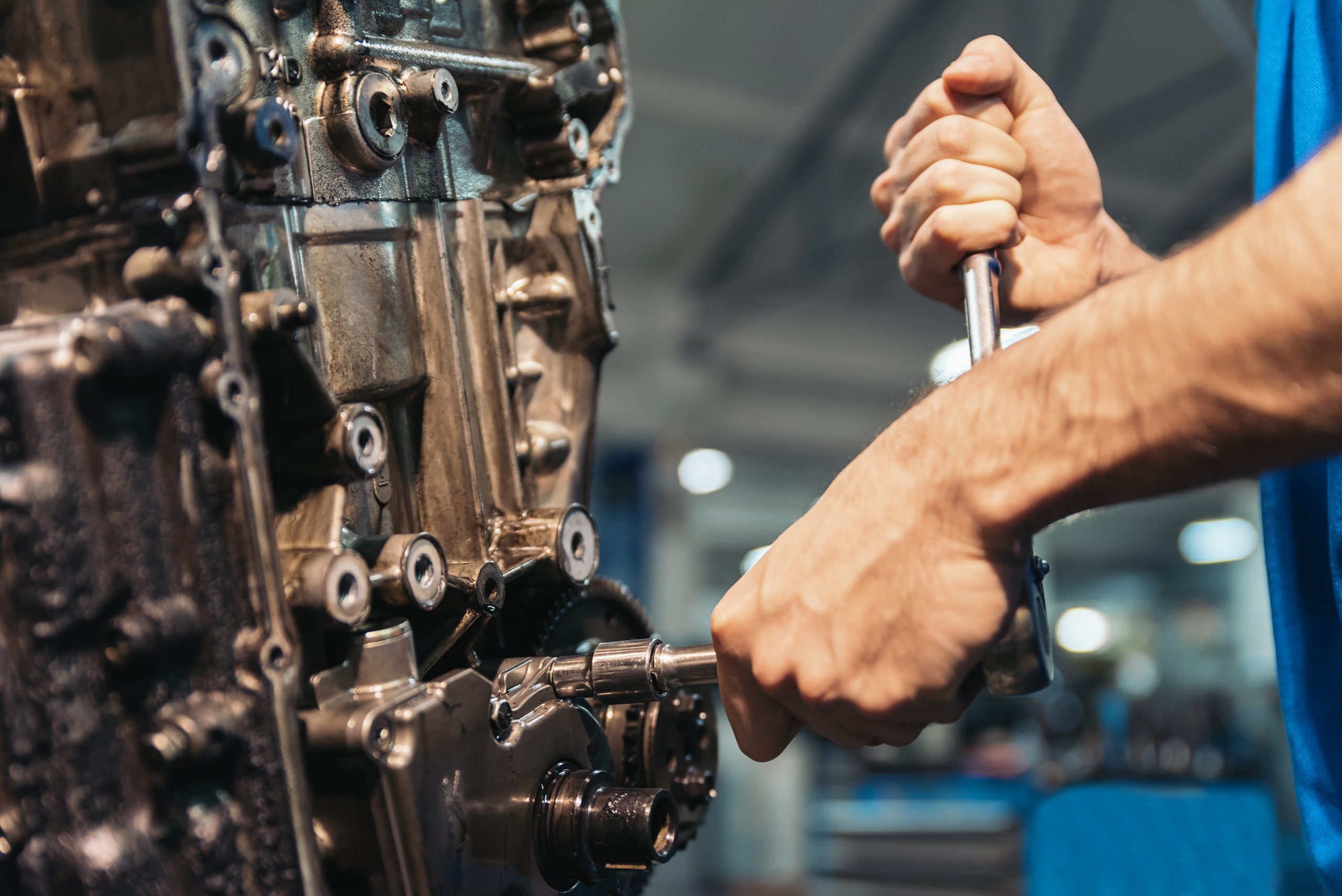
Your diesel engine is the heart of your truck, let alone the most expensive part! We have seen an unbelievable number of diesel engines (many, many more than should have) fail because of something as simple as a lack of proper care. You want to think of your diesel engine as similar in principle to a high-performance athlete. The way an athlete requires the right food and enough rest, the engine will also require very particular care so it performs to maximum performance and longevity standards.
Common mistakes that can seriously damage your diesel engine include running your engine cold in winter, pushing through overheating issues, improper overnight idling, neglecting oil changes, and poor fuel tank maintenance. These can cause costly repairs, unexpected breakdowns, and reduced engine life.
At Mac’s Diesel and Trailer Repair, we are experienced diesel mechanics committed to the philosophy of preventing problems before they start. Save thousands in repairs and keep your truck running well for years to come with routine maintenance checks and professional service.
Idling Your Diesel Engine Too Long
Your diesel engine requires good care during cold starts and when idling. While it is essential to warm your engine up in cold weather, the way you idle either makes or breaks your engine’s health. A cold diesel started and immediately thrown into drive can cause severe damage. In freezing temps, you want to let your engine idle for 2-3 minutes before moving, let the oil circulate freely through all engine components, and wait until the engine has reached its proper operating temperature.
The engine’s idle RPM is essential in maintaining proper oil pressure. When idling, maintain RPMs at or above 1,000 and monitor the oil pressure gauge. Do not idle for extended periods at low RPM. Low RPM idling (approximately 600 RPM) does not let enough oil get to the top of the engine block. If it is not lubricated properly, your engine’s parts are exposed to more wear and potential damage.
Most drivers let their trucks idle at low RPMs overnight during stays. This may lead to insufficient oil circulation, more wear on the engine, possible failure of components, and increased maintenance costs. You safeguard your engine’s critical components and prolong its service life by keeping the proper idle RPMs and adequate warm-up procedures.
Overheating the Engine During Heavy Loads
Your diesel engine is at extreme risk during long, heavy hauls. Overheating can cause significant damage, including warped cylinder heads, blown head gaskets, costly engine repairs, and complete engine failure.
Temperature management is critical during heavy pulls, as your engine temperature can quickly spike. A blown head or warped head gasket repair can cost you thousands of dollars—damage that you can easily prevent by monitoring your temperature.
Essential temperature control includes keeping an eye on temperature gauges at all times during challenging pulls.
Watch for the following:
- Sudden spikes in temperature, especially during uphill climbs
- Reducing load or speed if temperatures rise beyond the normal range
- Keep your cooling system properly maintained
- Check coolant levels before long hauls
- Clean debris from the radiator regularly
Your engine’s cooling system works harder under heavy loads. Regular maintenance of your radiator, water pump, and cooling components helps prevent overheating issues. A properly functioning cooling system maintains optimal temperature ranges, protecting your engine from costly damage.
Consider adding more temperature monitoring devices for added safety. These will provide you with early warnings of potential overheating situations, allowing you time to take preventive measures before serious damage can occur.
Low Idling or Chugging Overnight
How your truck idles overnight can make a huge difference in the life span of your engine! Many drivers allow their trucks to idle overnight, especially if they don’t have APUs or Auxiliary Power Units. Keeping the cabin comfortable while running your engine at low RPMs can be rather destructive.
The Dangers of Low Idle Speeds
When your truck is idling around 600 RPM, insufficient oil pressure is created to properly lubricate your engine. When oil is under low RPMs, it struggles to find its way up to the top of the engine block, causing critical components unnecessary exposure to wear and damage.
How to Properly Idle Your Truck
If you absolutely have to leave your truck idling overnight, please ensure that at least you stay at 1,000 RPM and keep an eye on your oil pressure gauge. Consider investing in an APU system, as it can provide a more efficient and safer alternative to extended idling periods.
Why Oil Circulation Matters
Your diesel engine requires proper oil pressure for several critical functions. It must lubricate moving parts to prevent excessive wear from metal-to-metal contact, transfer heat from the engine’s components, and clean the surfaces in the engine by removing contaminants and dirt. It will help avoid overheating and provide proper protection to the bearings and the cylinder walls in terms of the premature wear or scoring of moving engine elements.
Running your engine at higher RPMs ensures that oil is freely circulated to every part of the block. That simple action ensures the protective oil film your engine needs to run safely and efficiently.
Think of it this way: just as your heart needs to pump with enough pressure to reach all parts of your body, your engine needs enough RPMs to circulate oil to all its vital components. Your engine’s oil is its lifeblood, and without proper circulation, serious problems can result down the line.
Neglecting Oil Changes and Fuel Tank Maintenance
Your diesel engine’s longevity depends heavily on two critical maintenance aspects: regular oil changes and proper fuel tank care. Let’s dive into why these elements deserve your undivided attention.
Oil Change Discipline
Regular oil changes serve as your engine’s first line of defense against wear and tear. Pushing beyond recommended oil change intervals can lead to:
- Engine component damage
- Increased particle buildup
- Unexpected breakdowns
- Costly repairs
- Potential roadside emergencies
While traditional oil change intervals typically come in around 12,000 miles, synthetic oils have revolutionized maintenance schedules. Users of synthetic oils can safely push their intervals out to 50,000 miles, but be sure to follow your manufacturer’s recommendations for your specific engine precisely.
Modern Fuel Tank Challenges
Today’s biodiesel and emission-friendly fuels have introduced new maintenance concerns for your fuel system. Algae growth in fuel tanks is probably the most unsettling – a condition that was a rare occurrence just a couple of decades ago.
Signs of Fuel Tank Contamination:
- Fuel color appears unusual
- Particles are visible in fuel
- Slimy residue
- Filters become clogged
- Poor engine performance
Preventative Measures
Regular inspections of your fuel tanks are a must. Here’s what you can do:
- Look inside your tanks with a flashlight
- Look for signs of algae buildup
- Monitor fuel quality from each supplier
- Keep a record of where you refuel
- Observe whether the fuel has any odd changes in its appearance
If it is contaminated, do not hesitate to immediately consult an expert. Experts in mechanics are capable of flushing the tanks and taking measures to protect your fuel system.
Fuel Purchase Tips
Building relationships with reliable fuel suppliers is crucial for maintaining fuel quality. It’s important to keep detailed records of fuel quality from different locations and report any suspicious fuel immediately to prevent potential engine damage. If you notice any changes in your engine’s performance, consider having your fuel tested to identify any contamination or quality issues that could harm your engine.
Remember, your truck is a huge investment. The most valuable part of your truck is the engine. Professional maintenance isn’t just about preventing breakdowns; it’s about protecting your livelihood and your reputation as a professional driver.
Keep Those Engines In Tip Top Shape!
As a professional truck driver, one of your biggest investments in your trucking career would be the diesel engine. Good care of your engine shows personal commitment to both safety and dependability while on the road. Smart engine care demonstrates best practices by following engine performance regularly, scheduling maintenance ahead of time, taking swift action at the first sign of a problem, and working with only certified diesel mechanics.
At Mac’s Diesel and Trailer Repair, we help you keep your engine running with special knowledge that provides a professional diagnosis. Noticing these major practices for your engine care keeps you moving forward, retains your reputation, and protects your valuable equipment investment.
Choose Mac’s Diesel and Trailer Repair
Your diesel engine needs specialized care from experts who know its intricacies.
At Mac’s Diesel and Trailer Repair, we bring our expertise right to your doorstep. Our mobile diesel mechanics are ready to help you avoid these critical engine mistakes and keep your truck running at peak performance. Services include professional on-site truck repair, emergency roadside assistance, DOT inspections, bus & RV repairs, and preventative maintenance.
We serve the area of Lexington, Kentucky, and its surroundings with a staff of factory-trained diesel mechanics committed to great service. No matter the extent of the repair, we’re just a call away for routine or emergency repairs.
Ready to protect your diesel engine? Call us at (859) 433-4062. Don’t wait until a small problem becomes a big one. Book an appointment with our skilled team today and see how we can show you the proper way to take care of your diesel engine to avoid costly repairs down the road. Your truck’s performance is our priority—let’s keep it running strong together.